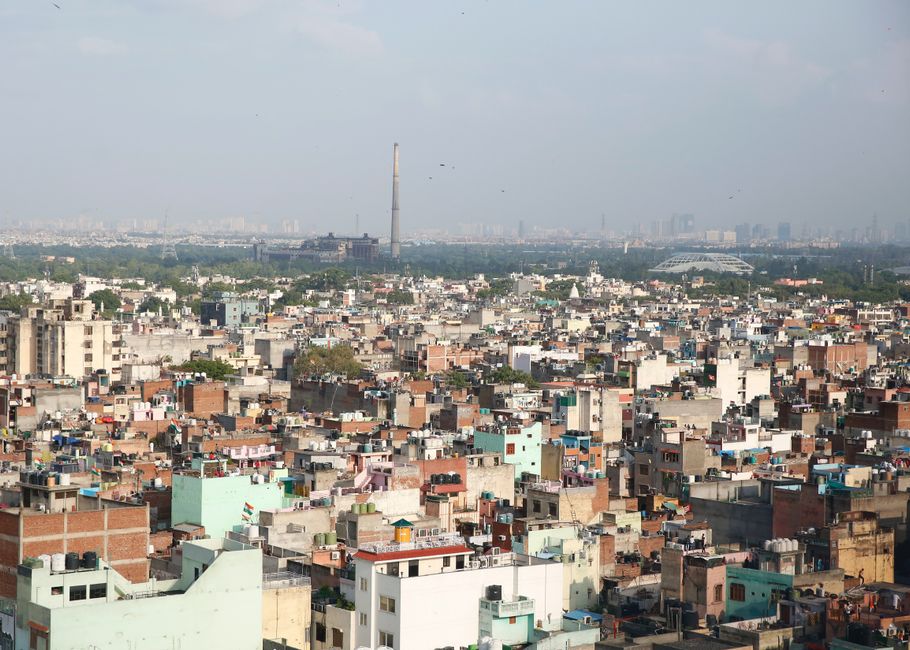
The construction cranes are multiplying across Delhi's skyline faster than monsoon clouds. With the completion of the extended Delhi Metro Blue Line reaching deeper into Noida and Gurgaon, a fresh wave of development approvals has triggered a fundamental reshaping of how the capital's neighbourhoods function. For property investors and residents alike, understanding what's on the drawing board isn't just academic—it's financial survival.
South of Mehrauli, DLF's Magnolia expansion project has received final environmental clearance, potentially adding 450 luxury units to what already commands prices upwards of INR 15,000 per square foot. Meanwhile, the Dwarka Expressway corridor—long promised, now materialising—has unlocked approvals for three major mixed-use complexes between Sectors 13 and 18. These aren't mere residential blocks; they're ecosystem plays. Developers are bundling retail, office space, and hospitality around metro adjacency, the same logic that transformed Gurugram's MG Road corridor a decade ago.
The real story, however, sits in secondary areas. New approvals near the Barapullah extension, previously considered backwater real estate at INR 8,000-9,000 per square foot, are now attracting institutional investment. Projects here are being framed around the proposed direct connectivity to the proposed airport expansion corridor. Price appreciation potential has awakened sleepy stretches of Greater Kailash-2 and Chhatarpur.
But development brings tension. The approved 2.8-million-square-foot commercial complex near Nehru Place's IT office cluster promises job concentration and infrastructure strain simultaneously. Local traffic studies, while required, have sparked debate about whether Aurangzeb Road's carrying capacity can absorb the influx. Similar friction emerged around the Gurgaon-side Cyber City extensions, which initially promised seamless growth but delivered congestion headaches.
For property owners in adjacent areas, the calculus is straightforward: projects attract infrastructure investment (widened roads, metro spurs, utility upgrades), which justifies premium pricing. A flat in Greater Noida West, once considered peripheral, found buyer interest double when the proposed Grade Separator project between Sectors 4 and 5 received approval in 2024.
The Delhi Real Estate Regulatory Authority has tightened timelines for project execution, pushing developers toward faster approvals but also speedier construction. This shift favours investors willing to time entry into emerging micro-markets carefully. The window between approval announcement and saturation is narrowing.
What emerges is a Delhi where neighbourhoods no longer exist in isolation. Development approval in one pocket sends ripple effects across five kilometres. Savvy investors are already mapping not what exists, but what's imminent—the surest way to build wealth in this market.
This article was compiled by AI from the sources linked above and screened before publishing. See our editorial standards.