Delhi's New Housing Density Rules Could Reshape Affordable Sector—Here's What Changes for Buyers
Relaxed zoning policies in peripheral zones promise 40% more units, but early market data reveals winners and losers across price brackets.
Relaxed zoning policies in peripheral zones promise 40% more units, but early market data reveals winners and losers across price brackets.
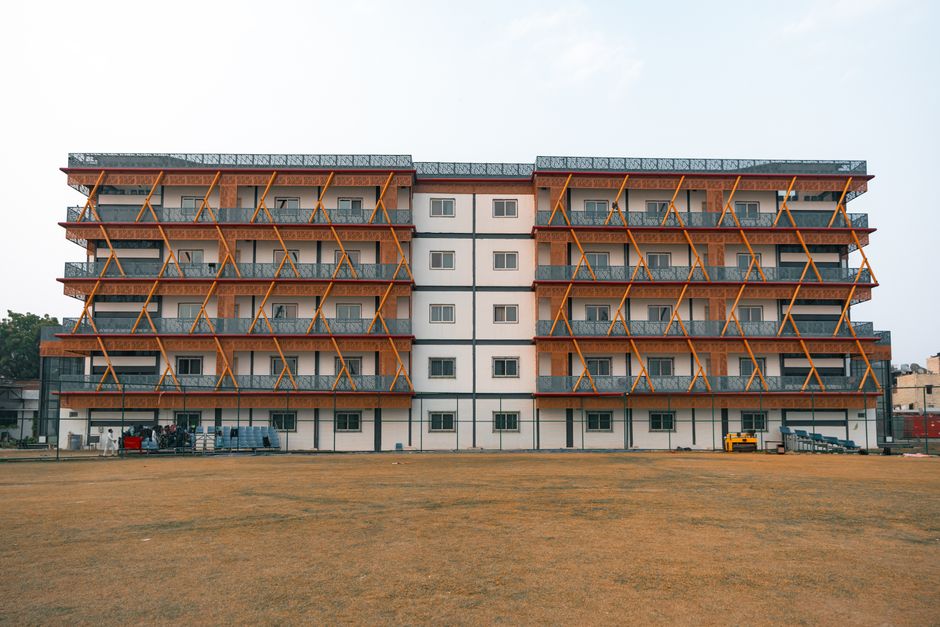
Delhi's housing authority has quietly redrawn the development rulebook, and the ripples are already visible in neighbourhoods from Dwarka to Rohini. The revised Master Plan 2041 amendments, notified in early June, now permit developers to exceed floor-area ratios in designated affordability corridors—a policy shift that planners say could unlock 180,000 new homes within five years.
For a city where the average property trades at ₹8,000 per square foot in central zones but hovers around ₹4,500-5,500 in peripheral areas, this is significant. South Delhi's established enclaves remain insulated by heritage classifications and low-density preservation orders. But sectors along the extended metro corridors—particularly the Violet Line extension towards Kalkaji and planned Phase IV developments near Badarpur—are seeing unprecedented approval speeds for mixed-income projects.
The policy mandates that 30% of units in new developments of 50+ dwellings must remain "affordable" (pegged at ₹45 lakh for two-bedroom units). This cross-subsidy model, tested in pockets of Noida's Sector 76 and Gurgaon's peripheral zones, has attracted institutional capital. Data from the Delhi Development Authority shows pre-approval applications jumped 67% month-on-month since the amendment's gazette notification.
However, market observers flag unintended consequences. Real estate consultants tracking Rohini's Sector 7-9 clusters note that existing mid-market properties—traditionally priced at ₹6,000-7,000 per sqft—have flatlined. Buyers are deferring purchases, waiting for new supply. Conversely, premium South Delhi pockets have seen marginal appreciation, as investors hedge against policy-driven supply inflation in affordable brackets.
The Confederation of Real Estate Developers' Association has cautiously welcomed the changes, noting that land acquisition costs in nodal areas like Bijwasan and Mehrauli still constrain project viability. Transit-oriented development (TOD) zones near metro stations—technically the amendment's focus—remain land-scarce, limiting genuine affordability expansion.
What's critical now is implementation. The Delhi Housing and Land Development Authority's portal shows 14 projects cleared under the new rules as of late June, concentrated in Dwarka and Rohini. Whether these translate into occupied homes—or become land-banking vehicles—will determine if this policy truly democratises Delhi's housing market or merely reshuffles scarcity.
Affordable housing advocates, citing the successful but modest outcomes of the earlier 2016 policy tweaks, remain cautiously optimistic. The real test arrives in 2027, when completion timelines mature and actual affordability-bracket units hit the market.
This article was compiled by AI from the sources linked above and screened before publishing. See our editorial standards.
How does this story make you feel?
Spread the word
About this article
Published by The Daily Delhi
Daily brief
Free, in your inbox before 7am. Weekdays.
More in Property