Delhi's Rental Squeeze: How Rising Costs Are Reshaping the Landlord-Tenant Dynamic
With Delhi's average rental yields compressed and tenant demand outpacing supply, both sides of the rental market face mounting pressure in 2026.
With Delhi's average rental yields compressed and tenant demand outpacing supply, both sides of the rental market face mounting pressure in 2026.
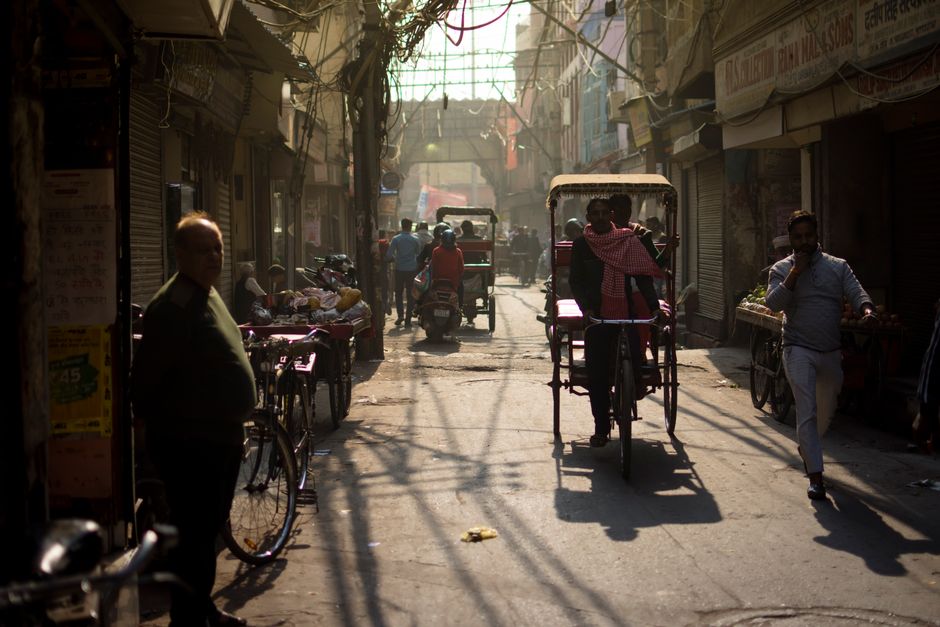
The rental market in Delhi is undergoing a quiet transformation. While headline-grabbing property sales in South Delhi's Sundar Nagar and Malviya Nagar continue to capture attention, the lived experience of millions renting across the capital tells a different story—one of tightening margins and shifting power dynamics between landlords and tenants.
According to property market tracking, Delhi's average rental yield hovers around 2.5-3 per cent annually, a compression that has landlords reconsidering their investment thesis. A two-bedroom apartment in Karol Bagh rents for approximately INR 35,000–45,000 monthly, while similar units in emerging corridors like Dwarka and Noida's Sector 62 command INR 28,000–38,000. Yet maintenance costs, property taxes, and municipal levies have risen steadily, squeezing returns that once justified patient capital allocation.
Tenants face their own squeeze. A young professional securing rental housing along the Delhi Metro's Blue Line—from Rajiv Chowk to Vaishali—now commits 40–50 per cent of income to rent alone, a sharp rise from historical norms of 30–35 per cent. In premium zones like Greater Kailash and Defence Colony, where rents exceed INR 60,000 for comparable space, affordability has become theoretical for middle-income earners.
The supply-demand imbalance compounds both problems. Migration to Delhi's NCR belt—Gurgaon's booming commercial hubs and Noida's IT parks—continues unabated, yet rental housing stock in central Delhi lags. Landlords respond by holding properties vacant, betting on capital appreciation rather than rental income. The National Housing Bank's data suggests nearly 8-10 per cent of rental housing in prime Delhi localities sits unused, creating artificial scarcity.
Regulatory friction adds another layer. The Delhi Rent Control Act remains a shadow over the market, with some landlords reluctant to formalize tenancies. Simultaneously, tenant associations increasingly mobilize around maintenance standards and deposit disputes, particularly in older colonies where infrastructure strain is visible.
The ripple effect reaches beyond individual households. Corporate relocation policies now factor in rental volatility, with some firms expanding satellite offices in cheaper NCR zones. Educational institutions near Kasturba Nagar and Mukherjee Nagar report student housing crises as nearby rental supplies tighten.
Market watchers suggest a correction may arrive as remote work normalizes and demand softens. Until then, both landlords and tenants remain caught in a market where neither side enjoys clear advantage—only mounting frustration with an increasingly fragile equilibrium.
This article was compiled by AI from the sources linked above and screened before publishing. See our editorial standards.
How does this story make you feel?
Spread the word
About this article
Published by The Daily Delhi
Daily brief
Free, in your inbox before 7am. Weekdays.
More in Property