First-Time Buyers Face Squeeze as Rental Pressures Push More Tenants Toward Ownership
Delhi's tight rental market is reshaping the calculus for first-home buyers, even as government schemes struggle to bridge the affordability gap.
Delhi's tight rental market is reshaping the calculus for first-home buyers, even as government schemes struggle to bridge the affordability gap.
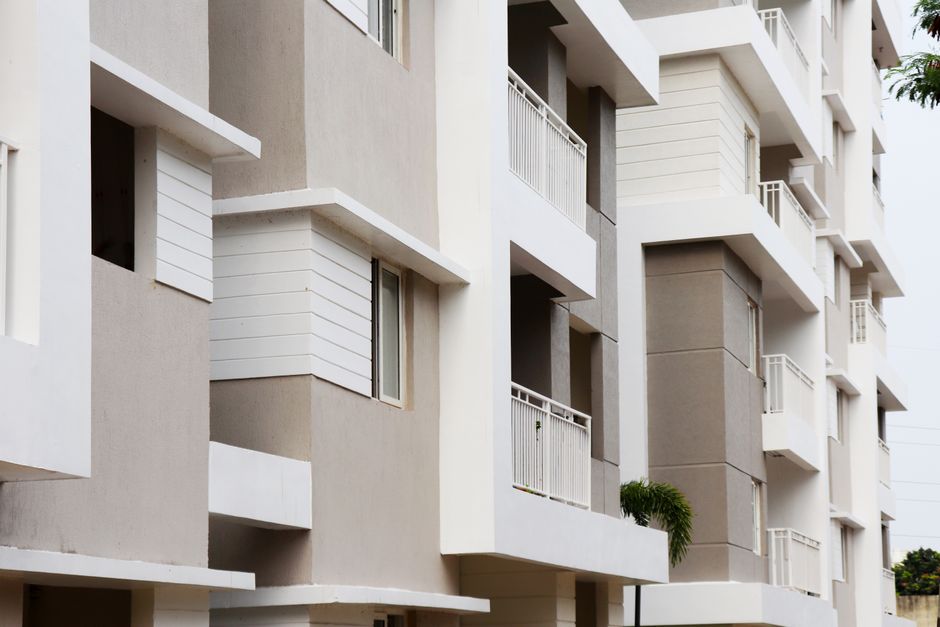
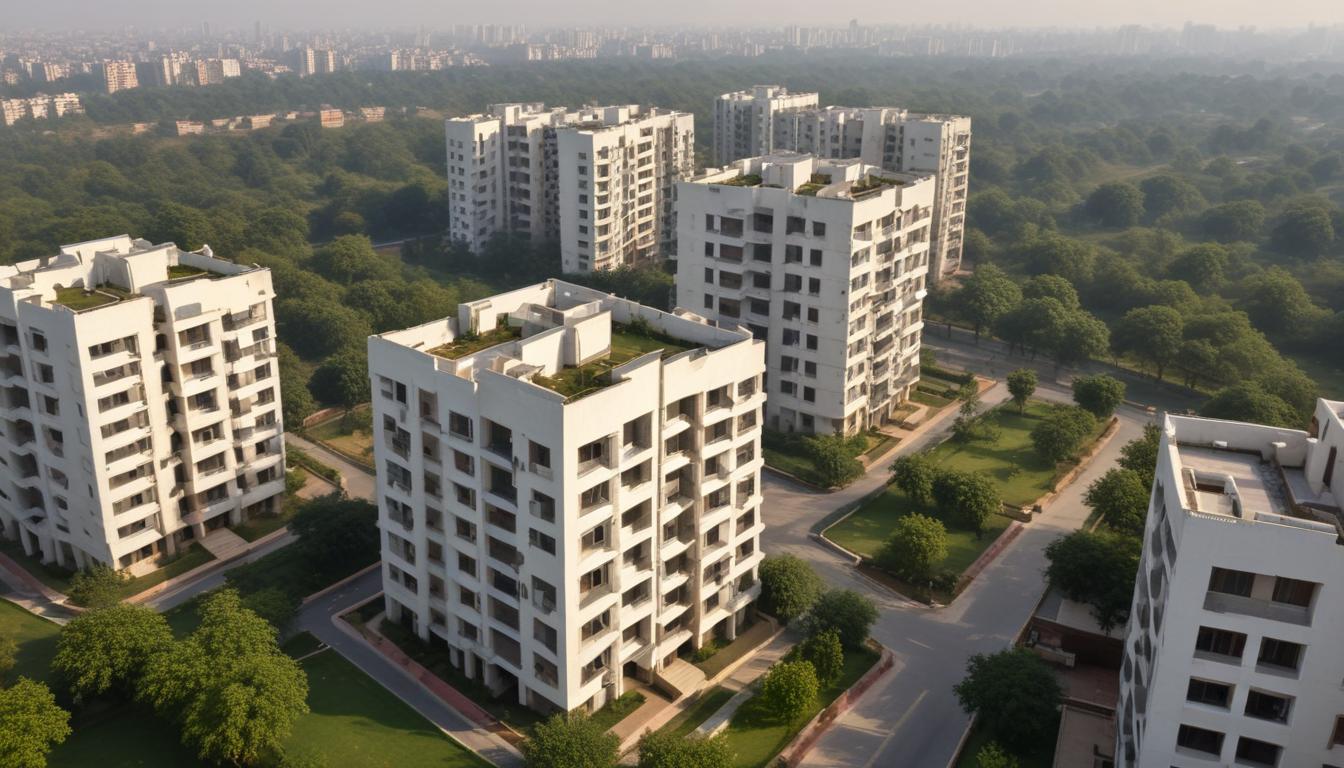
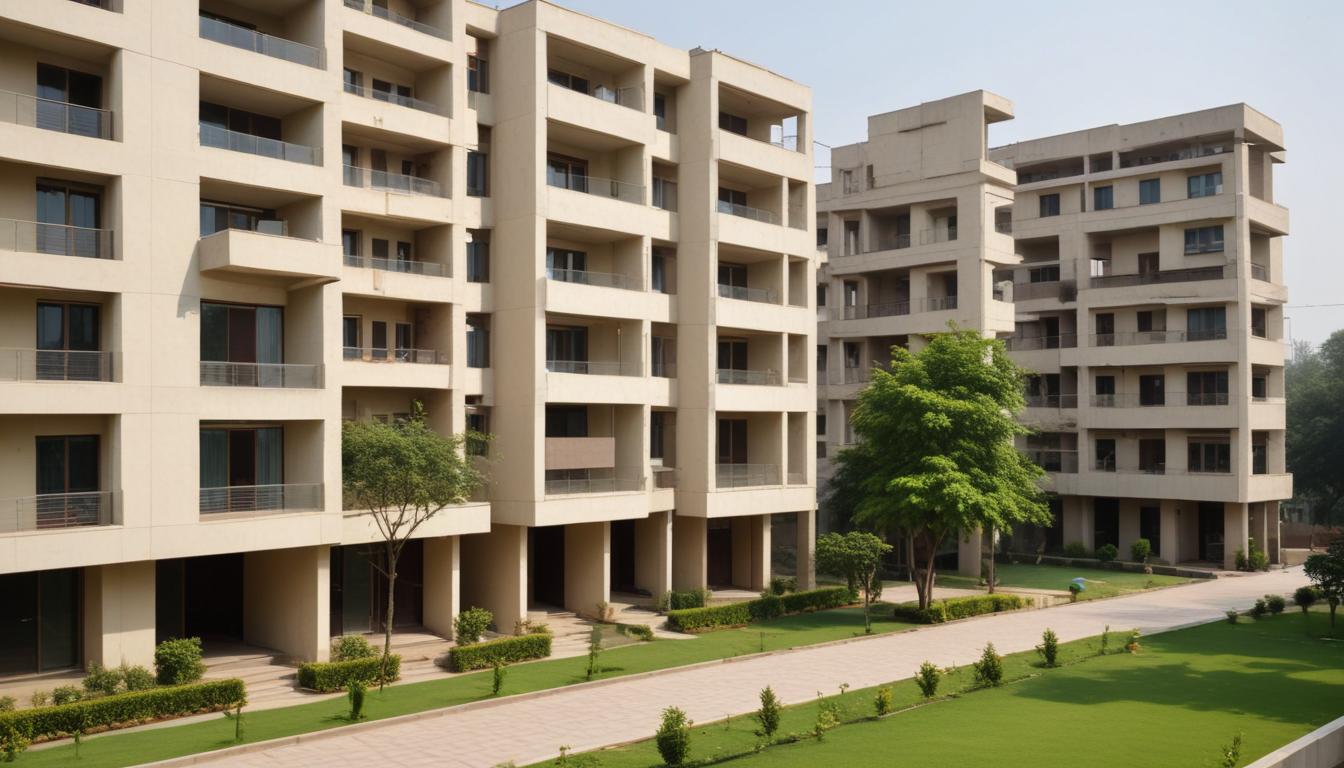
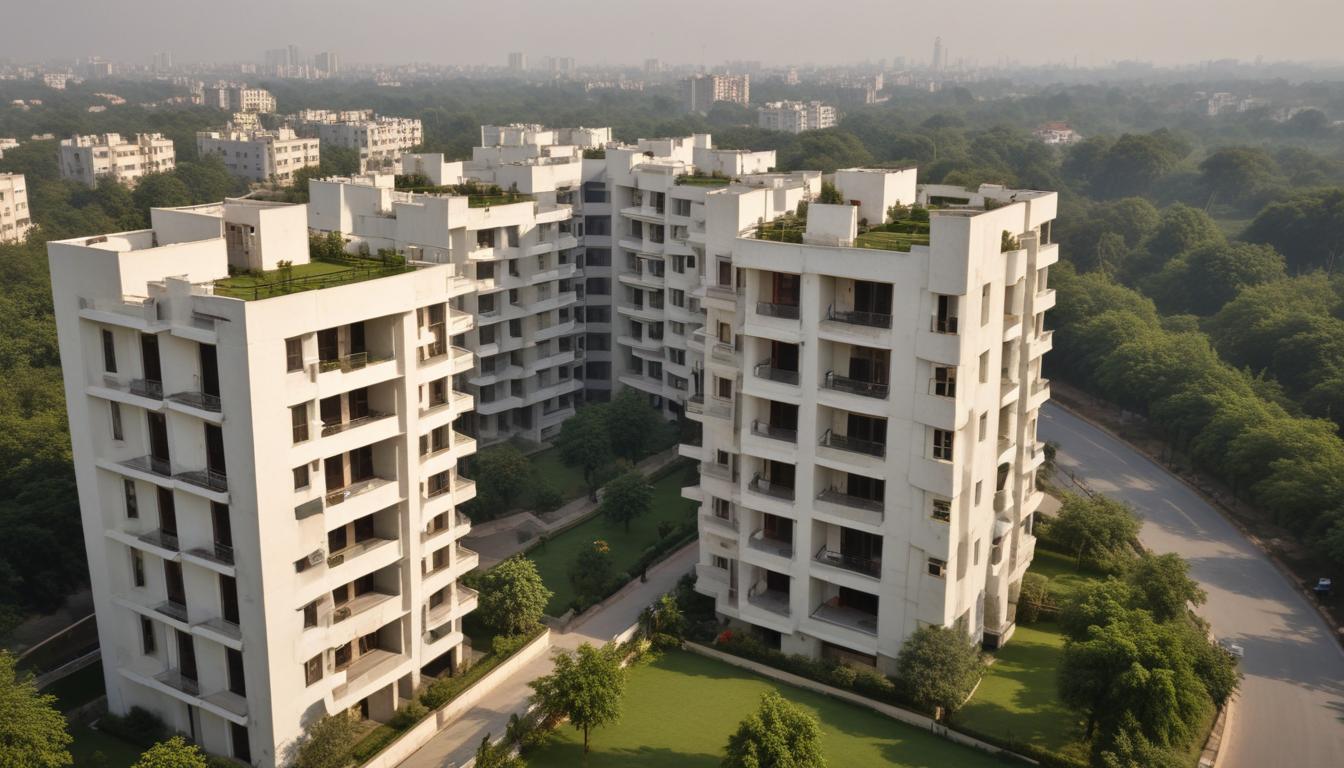
The rental crisis unfolding across Delhi is reshaping first-time buyer behaviour in unexpected ways. As landlords tighten terms and rents climb faster than incomes—particularly in metro-adjacent zones like Gurgaon and Noida—younger tenants are increasingly viewing home ownership not as a distant aspiration but as an urgent financial necessity.
The numbers tell a stark story. Average rents in South Delhi neighbourhoods like Malviya Nagar and Defence Colony have climbed 12-15% annually over the past two years, while landlords now routinely demand three-month security deposits, post-dated cheques, and references. Meanwhile, first-time buyers can access home loans at 8.2-8.8% through institutions like HDFC and ICICI, making a ₹45-lakh property near metro corridors—where prices hover around ₹8,000 per square foot—surprisingly competitive with monthly rent of ₹35,000-40,000.
The government's Pradhan Mantri Awas Yojana (PMAY) scheme has processed over 1.1 crore applications nationally, yet Delhi's pace remains sluggish, with processing delays of 8-12 months common. More pressing: the scheme's ₹27-lakh cap for Delhi metropolitan areas barely covers a basic two-bedroom in peripheral zones like Greater Noida or Dwarka, leaving a substantial affordability void for middle-income families.
Private builders have responded opportunistically. DLF's Sector-106 projects and Godrej properties along the Noida-Greater Noida Expressway are marketed aggressively to rent-weary professionals. Yet first-time buyers face a fresh bind: while monthly EMIs appear manageable, down payment requirements (typically 20%) still demand accumulated savings—often impossible for those bleeding cash into rents.
Landlords, meanwhile, face their own squeeze. With vacancy rates rising in certain South Delhi pockets and tenant disputes increasingly protracted through rent control boards, many are converting long-term rental properties into owner-occupied or holiday rentals. This further starves the rental supply, escalating pressure on working families and inadvertently accelerating the rush to ownership.
For policymakers, the implication is clear: rental market dysfunction is not a separate issue from home ownership barriers. First-time buyers need either accelerated PMAY processing, higher subsidy caps for metro zones, or creative schemes linking rental history to loan eligibility. Until then, Delhi's rental crisis will continue pushing desperate tenants into rushed purchase decisions—often on unfavourable terms.
This article was compiled by AI from the sources linked above and screened before publishing. See our editorial standards.
How does this story make you feel?
Spread the word
About this article
Published by The Daily Delhi
Daily brief
Free, in your inbox before 7am. Weekdays.
More in Property