Delhi's Fresh Wave of High-Rise Approvals: How New Projects Are Reshaping Neighbourhood Character
As construction permits accelerate across key corridors, residents and investors face a critical question: will density and infrastructure keep pace?
As construction permits accelerate across key corridors, residents and investors face a critical question: will density and infrastructure keep pace?
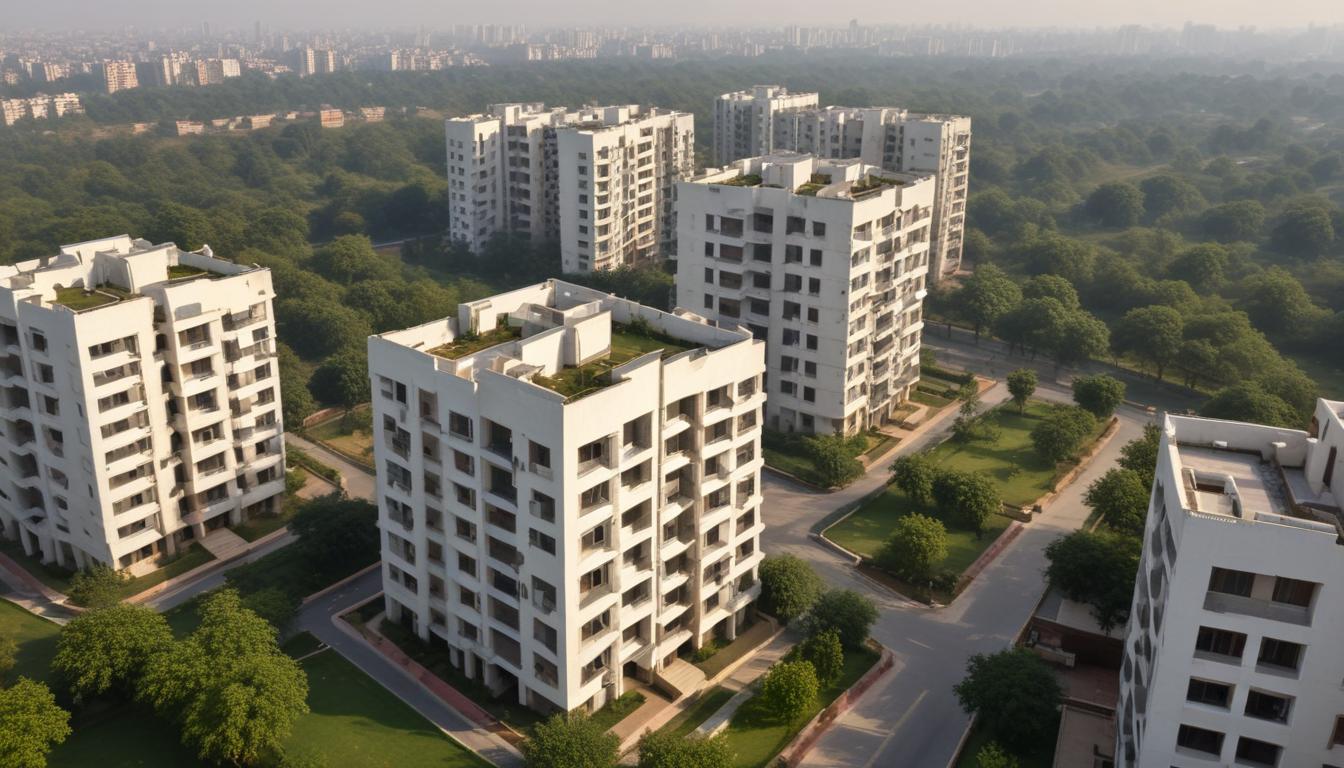
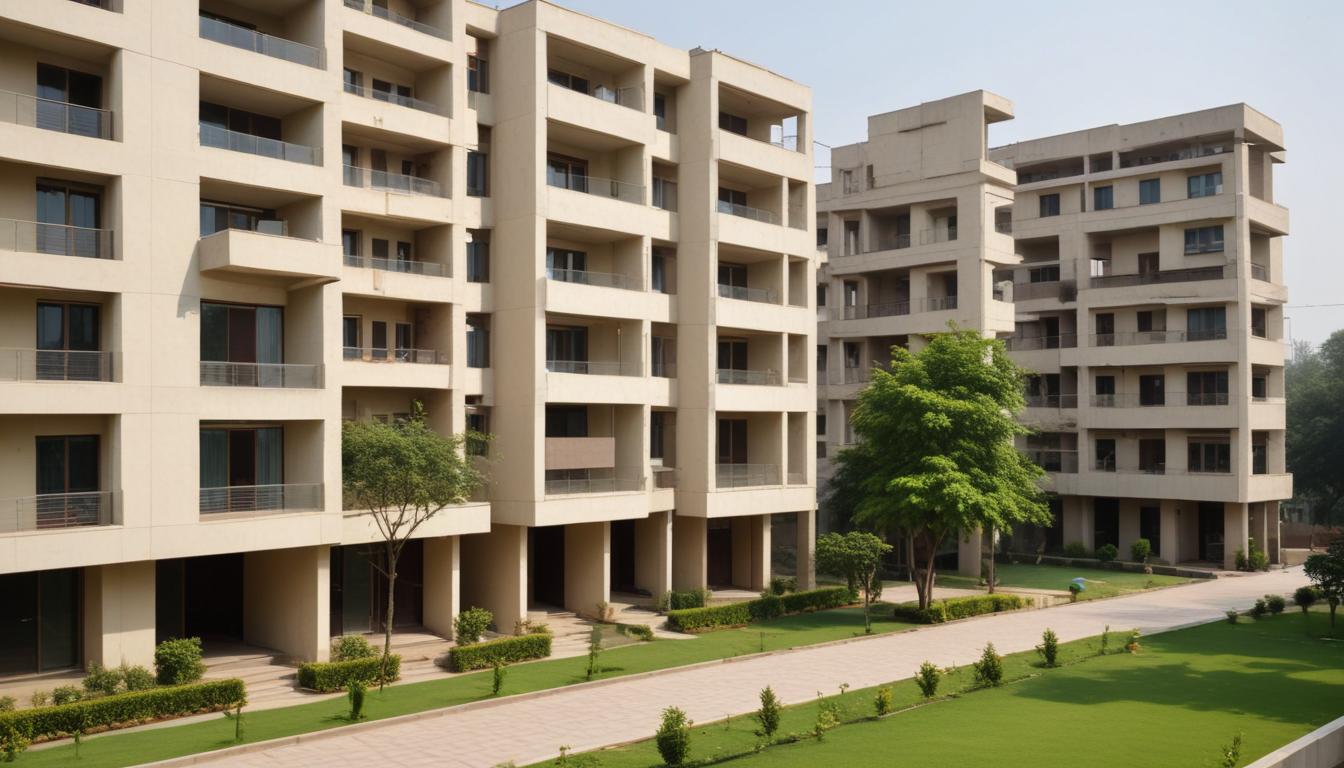
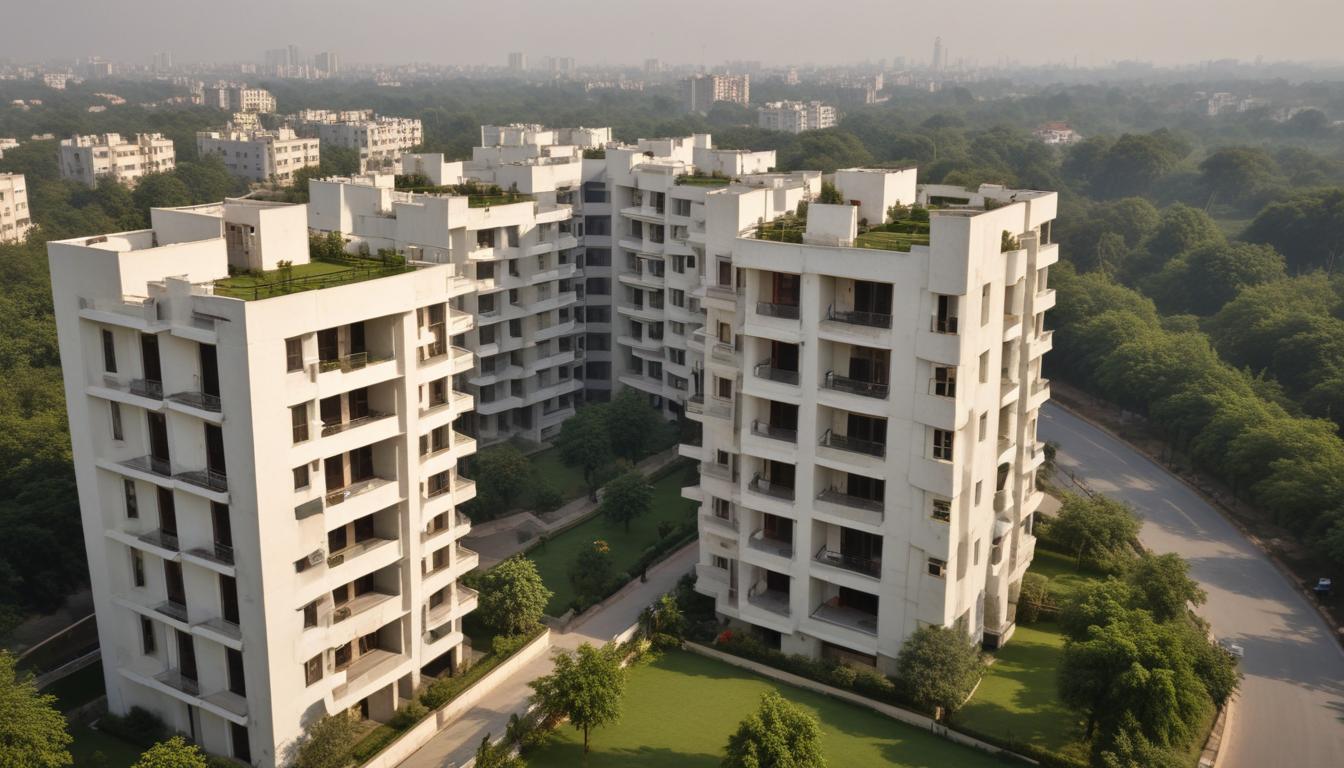
Delhi's property approvals machinery has shifted into overdrive. Over the past eighteen months, the Delhi Development Authority and municipal authorities have greenlit roughly forty-two mid to high-rise residential projects across prime zones—a surge that signals confidence in the market, but raises urgent questions about what these neighbourhoods will become.
The impact is most visible along the metro corridors. In Sector 62, Noida, where average prices hovered around INR 6,500 per square foot two years ago, newly approved mixed-use developments have already pushed rates to INR 8,200—comparable to inner South Delhi. Three towers alone—each 35+ storeys—have broken ground along the expressway stretch. Locals report longer queues at metro stations and growing pressure on water supplies, yet these projects promise over 3,200 new residential units within 36 months.
South Delhi's established enclaves face subtler disruption. In Greater Kailash-II and Hauz Khas, where standalone bungalows and low-rise apartments have historically defined the landscape, recent approvals favour vertical mixed-use complexes. The Bhikaji Cama Place redevelopment—still in preliminary stages—illustrates the tension: projected to add 1,800 units while promising retail, office, and community space. Existing residents worry about congestion on Mother Teresa Crescent and Aurobindo Marg, yet developers argue the projects will fund infrastructure upgrades and reduce housing pressure elsewhere.
The real wild card is Gurgaon's secondary markets. Sectors 79, 80, and 81, once synonymous with industrial and residential scatter, are now attracting premium residential approvals. DLF's ongoing expansion in Sector 85 has triggered nearby projects in adjacent zones. Prices in these emerging pockets have risen 22–28 per cent year-on-year, attracting first-time buyers and investors alike. Yet water and sewerage infrastructure, historically underdeveloped here, remains under strain.
What distinguishes this cycle is the regulatory shift. The Delhi Building Byelaws 2016 amendments, coupled with streamlined approval timelines under the unified permitting portal, have reduced project sanctioning from 200+ days to roughly 90. This efficiency is welcome, but has outpaced complementary infrastructure planning. Traffic studies, utility assessments, and social impact reviews often feel like afterthoughts.
Industry observers suggest that approvals without parallel metro extensions, water treatment facility upgrades, and parking solutions could erode neighbourhood liveability. The next twelve months will prove critical: if developers maintain pace while authorities invest in backbone infrastructure, these projects could catalyse genuine mixed-use urbanism. If not, Delhi risks replicating the congestion and service breakdowns that plagued earlier booms.
For property owners and residents, the message is clear: monitor your area's pipeline. New approvals bring opportunity and risk in equal measure.
This article was compiled by AI from the sources linked above and screened before publishing. See our editorial standards.
How does this story make you feel?
Spread the word
About this article
Published by The Daily Delhi
Daily brief
Free, in your inbox before 7am. Weekdays.
More in Property