South Delhi's Luxury Gamble: What Real Returns Show for High-End Property Investors
As prestige addresses command premiums double the city average, new data reveals which neighbourhoods and holdings are actually delivering investor yields.
As prestige addresses command premiums double the city average, new data reveals which neighbourhoods and holdings are actually delivering investor yields.
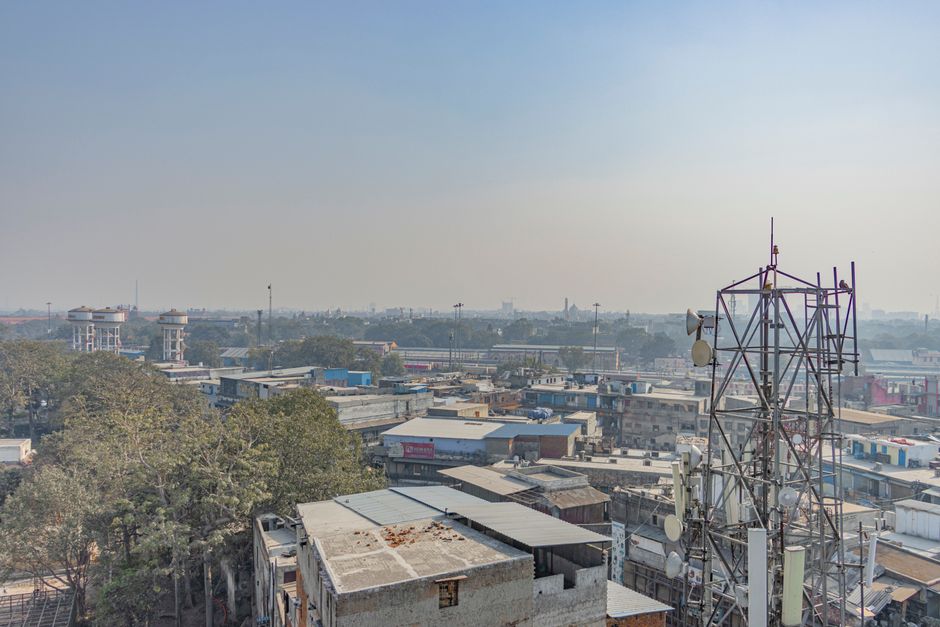
The luxury property market in South Delhi has long been painted as a safe haven for wealth preservation, but recent transaction data is forcing investors to look beyond romance and inspect the ledger. While Delhi's residential average hovers around INR 8,000 per square foot, premium addresses in Sundar Nagar, Greater Kailash, and Mehrauli are commanding INR 15,000–25,000 per square foot—yet the yield story is far more nuanced than postcode prestige alone.
A closer examination of five-year holding patterns across South Delhi's most coveted corridors reveals an uncomfortable truth: capital appreciation, while steady, has slowed considerably compared to the NCR growth corridors of Gurgaon and Noida. Properties along the Delhi Metro's Blue Line extensions and near upcoming DLF developments in peripheral zones have outpaced traditional South Delhi holdings by nearly 40% in annualised returns. A three-bedroom villa in Defence Colony purchased in 2021 for INR 4.5 crore has appreciated to roughly INR 5.2 crore—an annual yield of just 3.4%, before factoring in maintenance, property tax, and holding costs.
Meanwhile, mid-range investments in Sector 50, Noida, and similar metro-adjacent pockets have averaged 6–8% annual appreciation, with rental yields pushing total returns to double digits. The shift is reshaping investor psychology. High-net-worth individuals are increasingly bifurcating portfolios: maintaining one prestige property in South Delhi for lifestyle and liquidity, while deploying growth capital into emerging micro-markets near Dwarka Expressway and the proposed metro extensions toward Bahadurgarh.
The rental yield picture adds another layer. A 4-bedroom apartment in Sundar Nagar, valued at INR 3 crore, commands roughly INR 2 lakh monthly rent—a gross yield of just 8% before expenses. Compare this to a similar-sized unit in Golf Course Road, Gurgaon, where INR 2.5 crore properties yield INR 2.2 lakh monthly, translating to 10.6%.
What's driving the divergence? Supply constraints in South Delhi mean limited new inventory, capping price discovery mechanisms. Meanwhile, the NCR markets, buoyed by commercial office clusters, IT parks, and infrastructure projects, are attracting fresh tenant demand and corporate housing appetite.
For investors reassessing positions, the data suggests prestige addresses remain wealth stores but weaker growth engines. The numbers show that in 2026, diversification—not concentration—is the winning strategy in India's capital region property game.
This article was compiled by AI from the sources linked above and screened before publishing. See our editorial standards.
How does this story make you feel?
Spread the word
About this article
Published by The Daily Delhi
Daily brief
Free, in your inbox before 7am. Weekdays.
More in Property