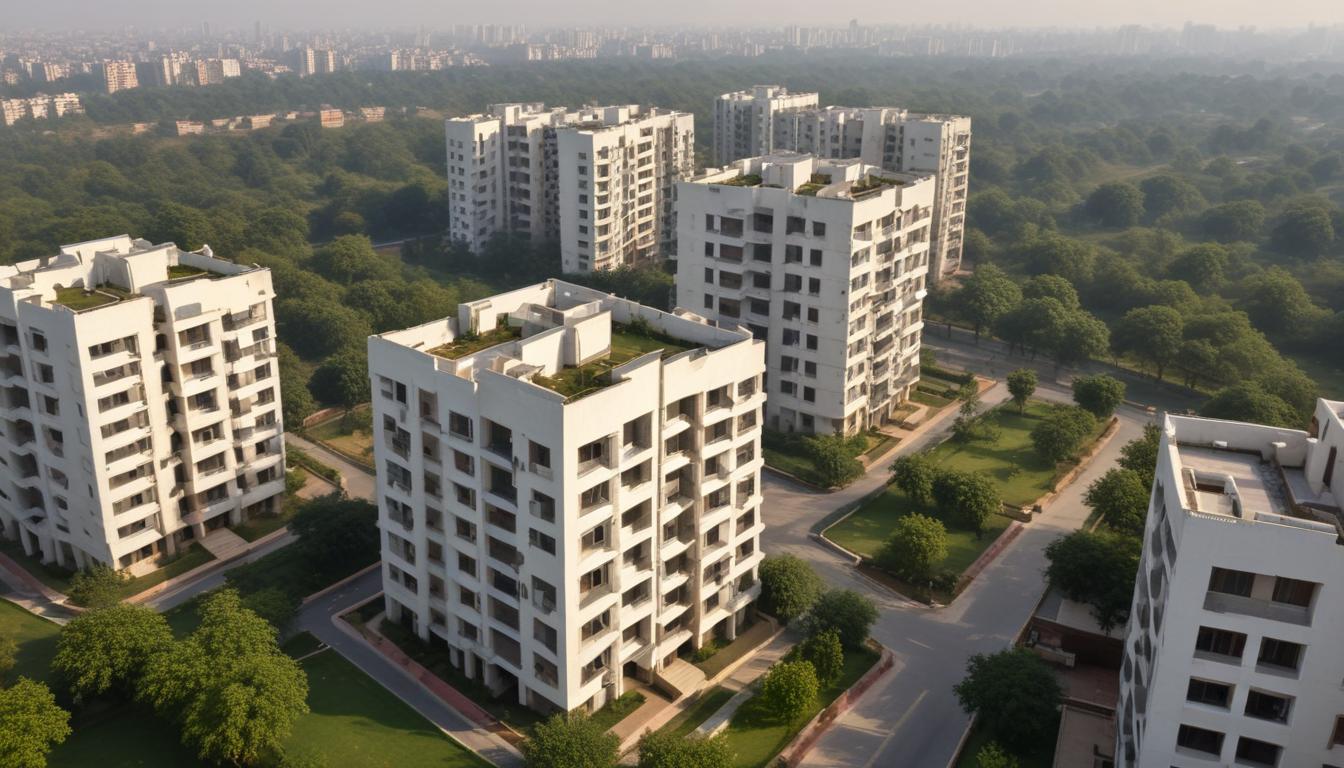
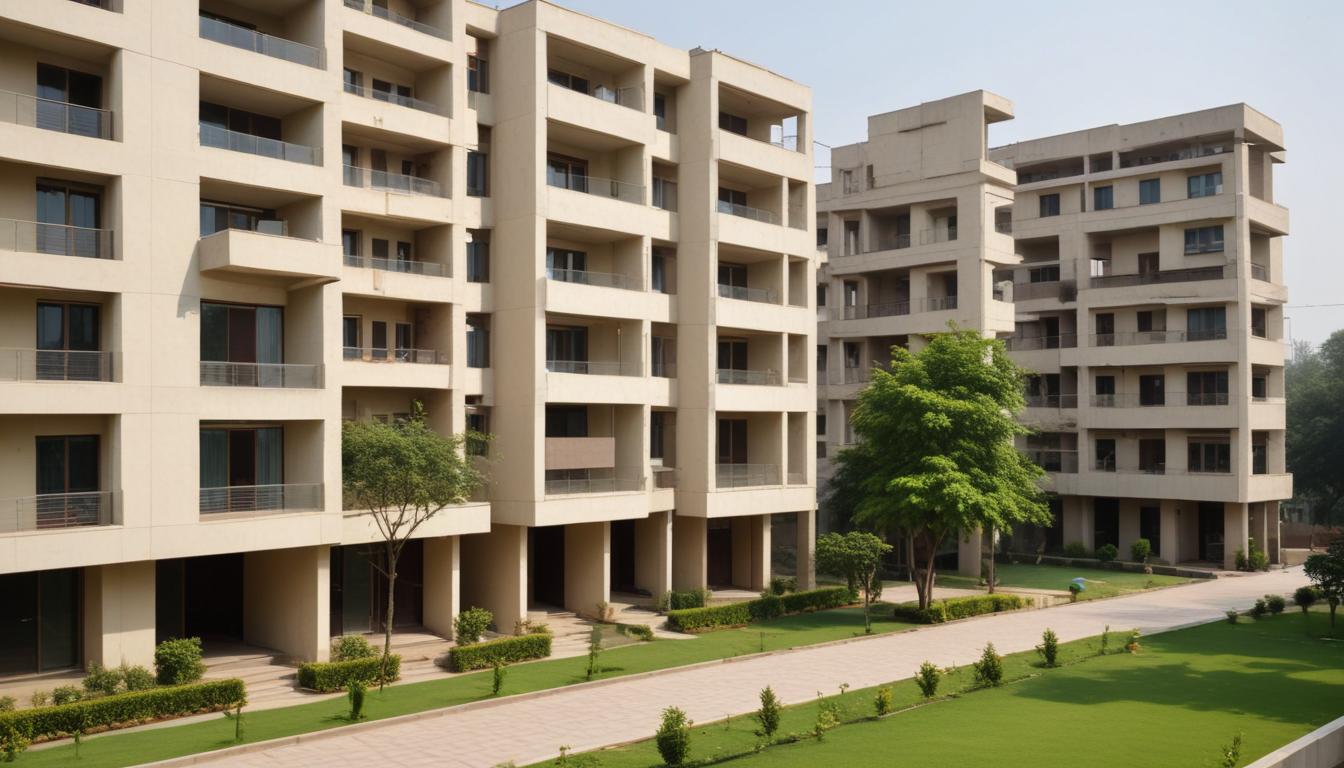
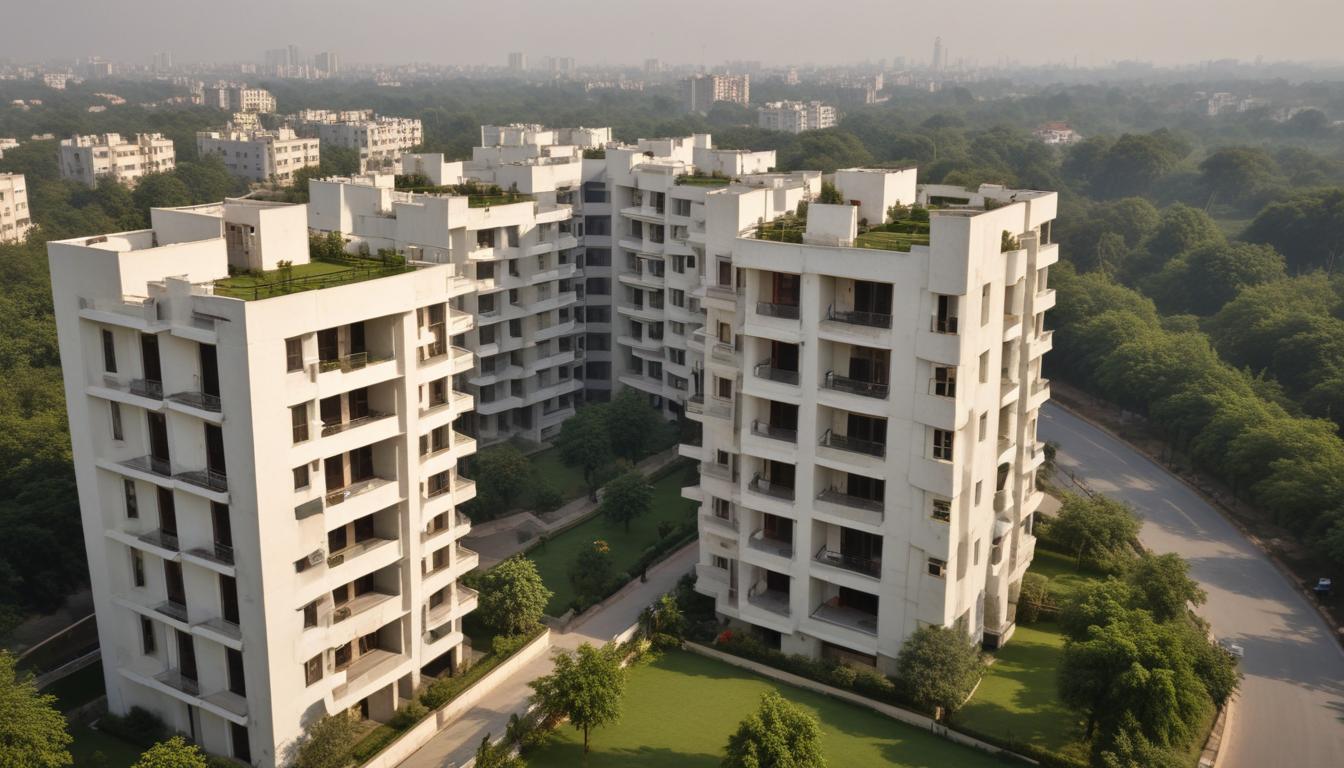
For years, Dwarka was synonymous with affordable housing and first-time buyers. Today, it's becoming something altogether different: a genuine investment hotspot where property values are climbing faster than the citywide average of ₹8,000 per square foot.
The catalyst is simple geography meets infrastructure. The Delhi Metro's Blue Line extension into Dwarka Sector 21 and the ongoing development of the Dwarka Expressway have triggered a fundamental revaluation. Properties that traded at ₹6,500–7,000 per square foot just three years ago now command ₹9,500–11,000 per square foot in prime pockets—a 40 per cent appreciation that rivals South Delhi's more established corridors.
What's driving serious investor attention, however, is Dwarka's emergence as a secondary business district. The National Institute of Technology campus, proximity to the upcoming Film City project in Rohini, and a cluster of IT offices along Sector 10–12 have begun attracting young professionals and mid-market companies seeking alternatives to congested Connaught Place and expensive Gurgaon leases. Cox & Kings, Manipal Education, and several fintech startups have already leased significant office space here.
"We're seeing investor interest from three segments," says the local real estate community. "Owner-occupiers upgrading from smaller flats; NRI investors looking at rental yields around 3.5–4 per cent; and developers acquiring land for mid-range apartment projects." A two-bedroom flat in Sector 8 or 16 now fetches ₹85–95 lakhs, compared to ₹55–65 lakhs five years prior.
The neighbourhood's restaurant and retail scene has also matured. Pacific Mall, the Dwarka Sector 7 food street, and upcoming premium outlets are attracting footfall beyond traditional residential users, signalling genuine urban density rather than mere suburban sprawl.
Yet Dwarka isn't without risks. Water supply inconsistencies, traffic congestion during peak hours, and competition from Noida's emerging Sector 62 corridor remain concerns. The Dwarka Expressway's completion delay has also tempered some bullish projections.
For investors with a three-to-five-year horizon, however, Dwarka's combination of improving fundamentals, reasonable valuations relative to South Delhi, and tangible infrastructure progress makes it a rational bet. Unlike speculative plays in outer-ring suburbs, Dwarka has both present-day utility and future-focused momentum—exactly what savvy investors are looking for in 2026's property market.
This article was compiled by AI from the sources linked above and screened before publishing. See our editorial standards.