Delhi's Auction Block Is Sending a Clear Signal About Affordable Housing Demand
Rising bids on budget properties and inventory shifts reveal where the city's real housing crisis lies—and where policy needs to focus.
Rising bids on budget properties and inventory shifts reveal where the city's real housing crisis lies—and where policy needs to focus.

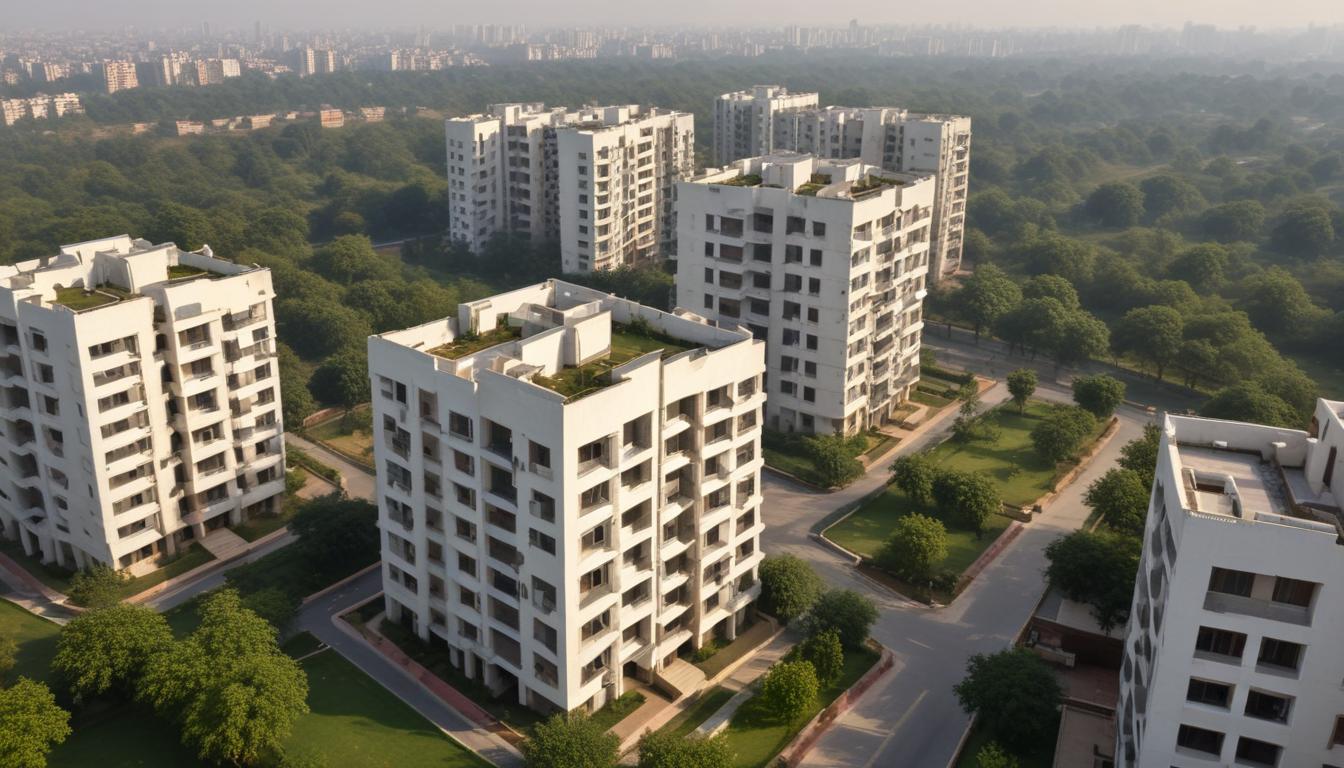
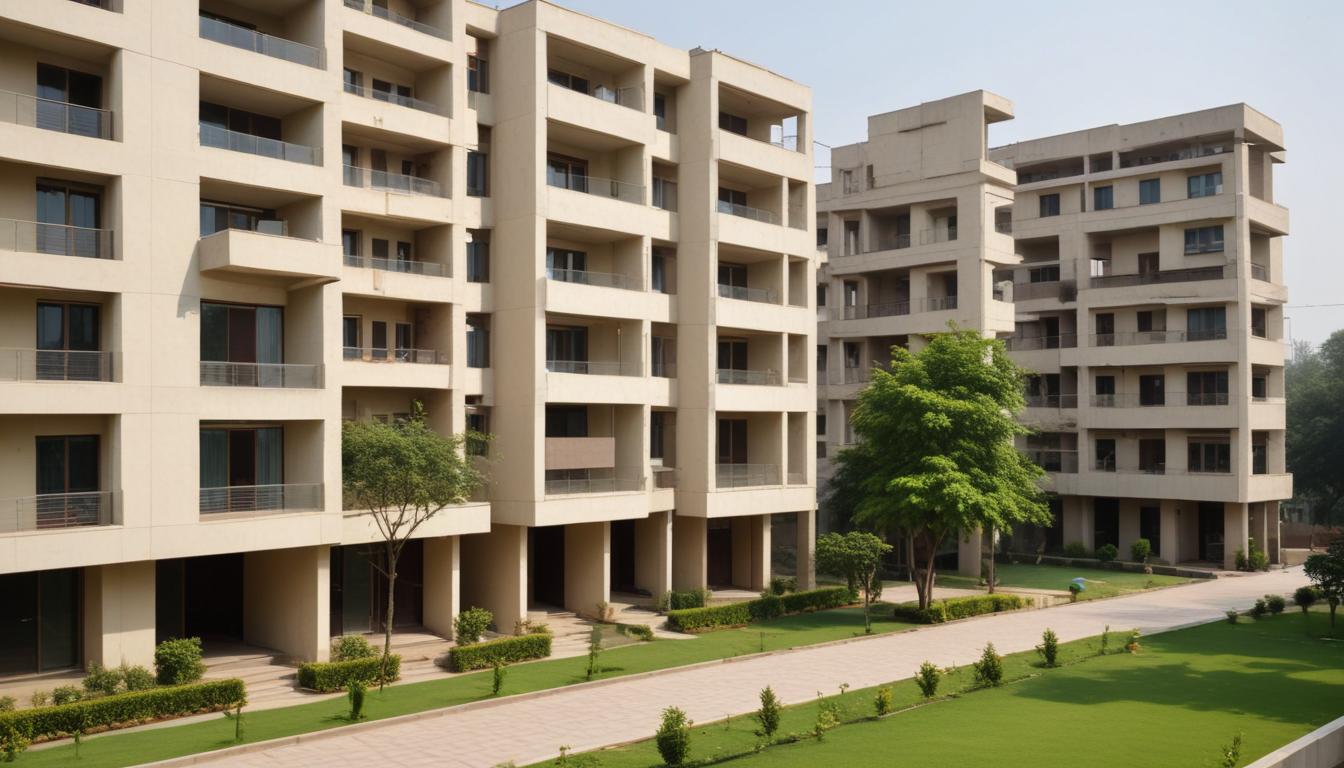
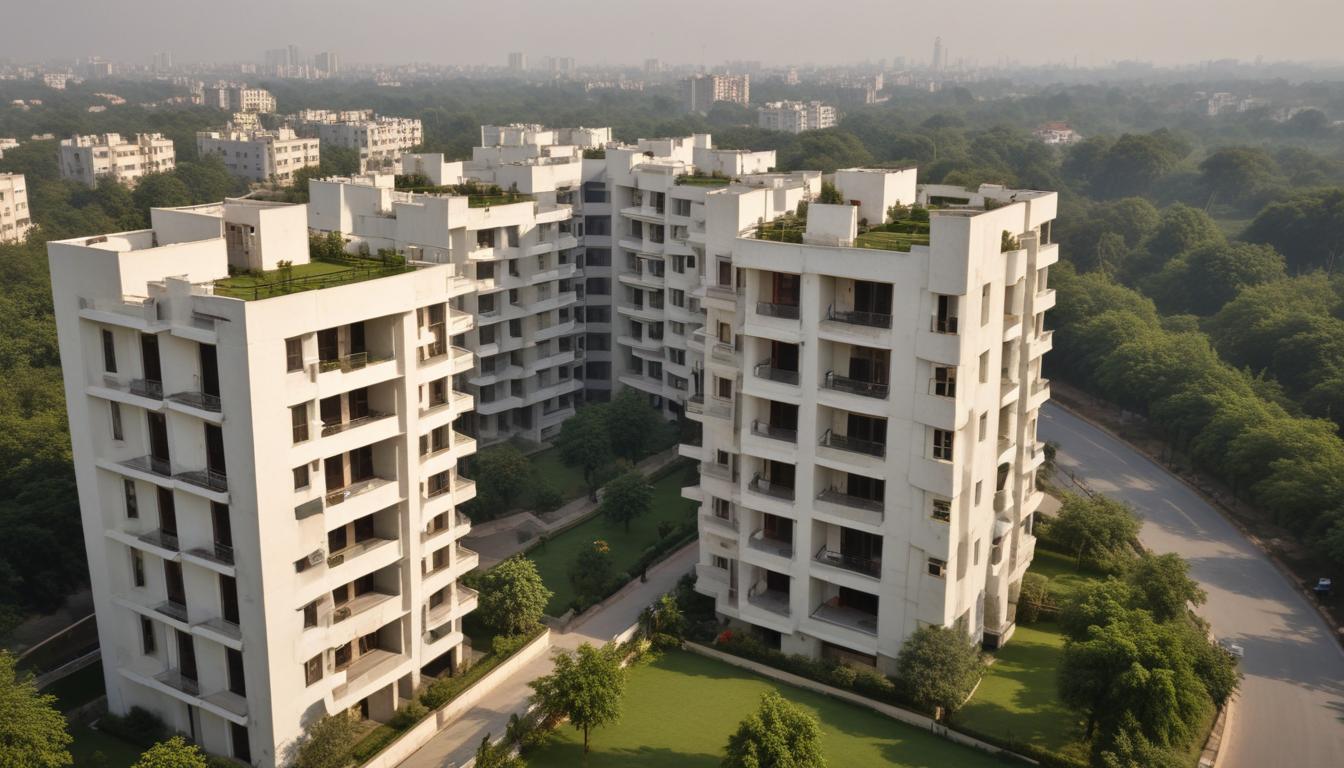
When the Delhi Development Authority (DDA) conducted its latest property auction in April, something unexpected happened. Units in the Rohini and Dwarka schemes—priced between ₹35 lakh and ₹55 lakh—saw competitive bidding that drove final prices 8–12% above reserve value. Meanwhile, premium South Delhi properties languished with single bids. The data wasn't subtle: affordable housing isn't a policy problem anymore. It's a market signal the city can no longer ignore.
The contrast is stark. While central Delhi's per-square-foot rates hover around ₹8,000–₹12,000, with South Delhi commanding premiums upward of ₹15,000, the real heat in auctions and sales registries is in the sub-₹60-lakh segment. CREDAI Delhi's latest quarterly report shows that units under ₹50 lakh in Dwarka, Noida's Sector 62, and emerging Gurugram pockets are turning over within 45 days—compared to the sector average of 120 days. Inventory velocity never lies.
What's driving this? The National Housing Bank's 2025 survey indicates 64% of Delhi's working-age population earns between ₹25,000 and ₹75,000 monthly. That's a ₹40–₹50 lakh home buyer—someone priced out of Karol Bagh, Lajpat Nagar, and Defence Colony, but desperate for property ownership. The DDA's recent focus on smaller carpet areas (45–65 sqft) in Dwarka and Rohini reflects this reality. Auctions are clearing faster because supply finally matches actual demand.
Government initiatives are responding. The Pradhan Mantri Awas Yojana (PMAY) has moved from subsidy-based models to facilitating bulk inventory in NCR corridors. Noida's latest DMRC-linked clusters in Sector 150 sold out within six weeks at ₹32–₹40 lakh. Even Gurgaon's peripheral zones—Sector 85, Sector 88—are seeing first-time buyers compete for units previously dismissed as speculative.
But here's what auction results and price momentum are really signalling: the problem isn't shortage. It's placement. A ₹45-lakh unit 40 kilometres from Rajiv Chowk is affordable only in theory. Rising bids on East Delhi's Shahdara and Preet Vihar schemes suggest buyers will pay premiums for proximity to work, even if it strains their finances further.
The next policy test: whether schemes like the revised DDA housing lottery and NBCC's affordable mandates can solve the actual constraint—transit-accessible, genuinely-priced homes. Until then, auction data will continue telling the same story: Delhi's poor and lower-middle class aren't waiting. They're bidding.
This article was compiled by AI from the sources linked above and screened before publishing. See our editorial standards.
How does this story make you feel?
Spread the word
About this article
Published by The Daily Delhi
Daily brief
Free, in your inbox before 7am. Weekdays.
More in Property