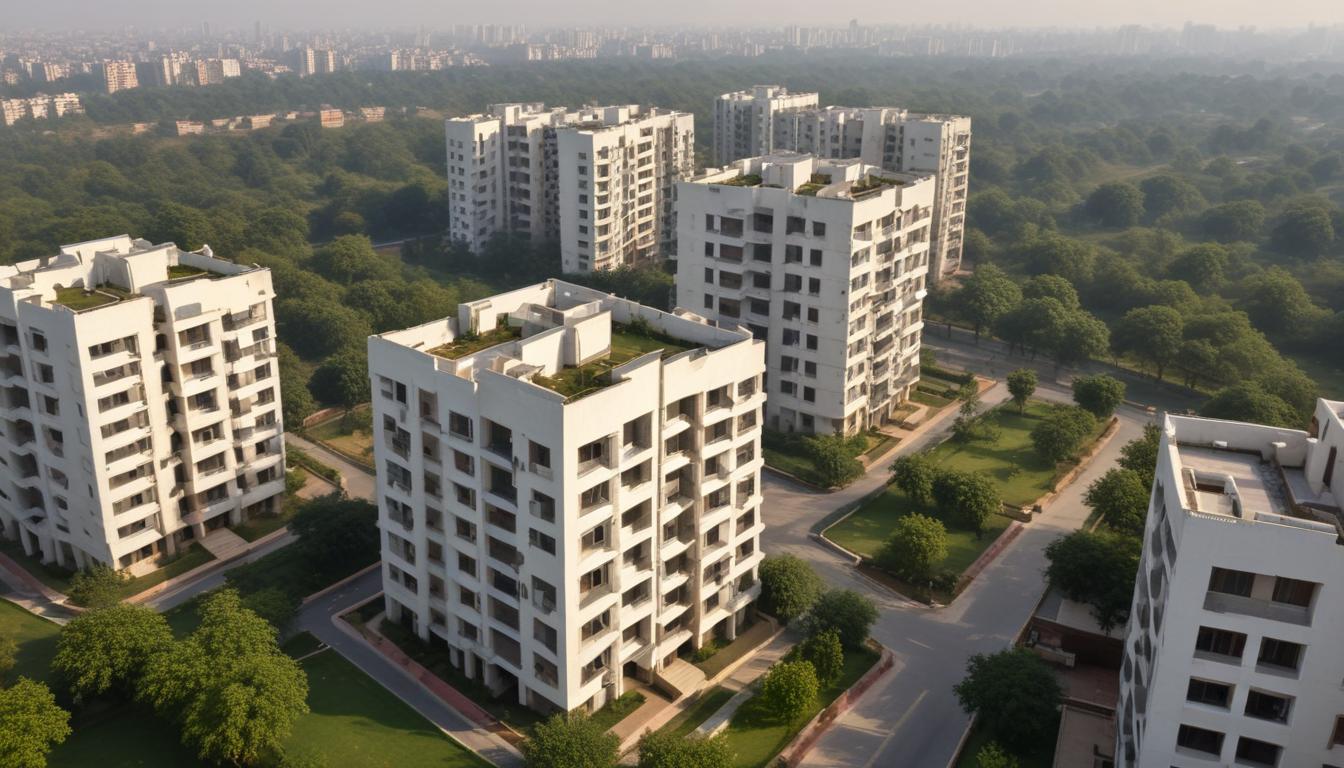
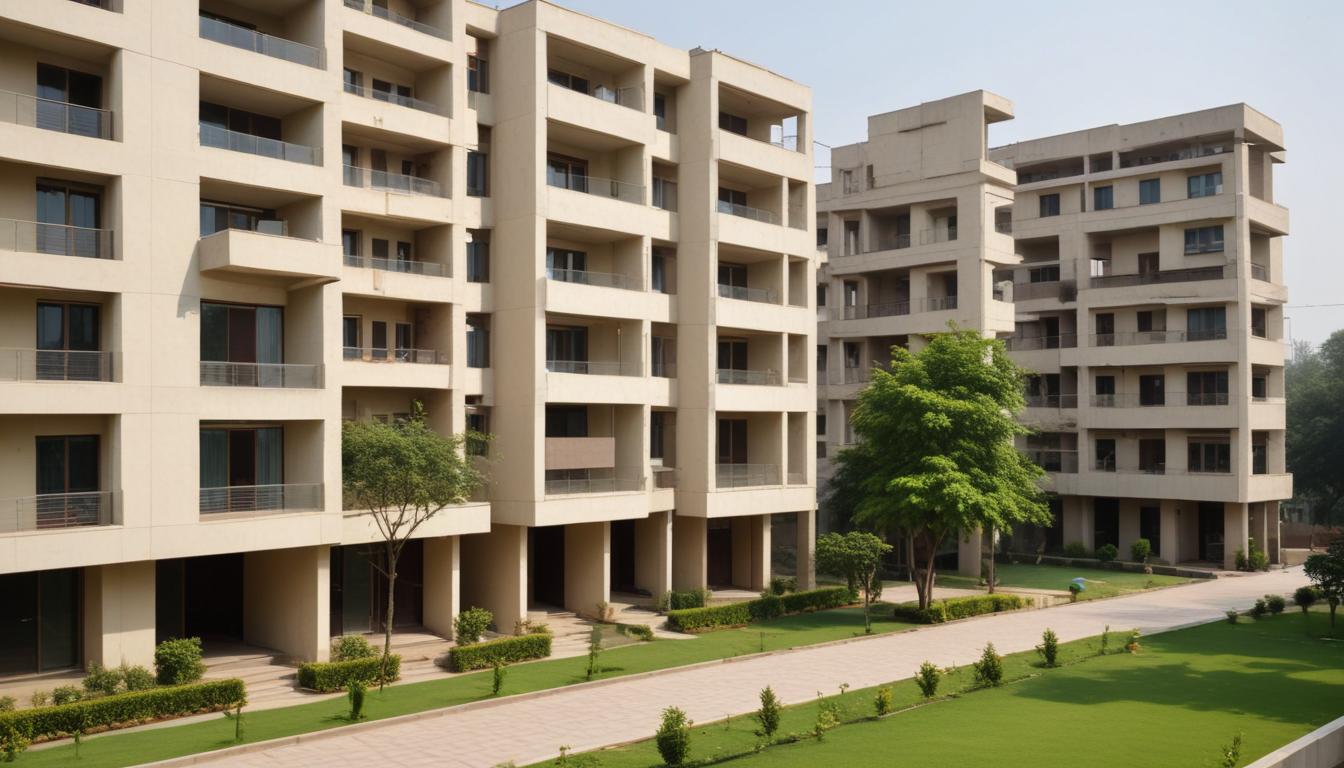
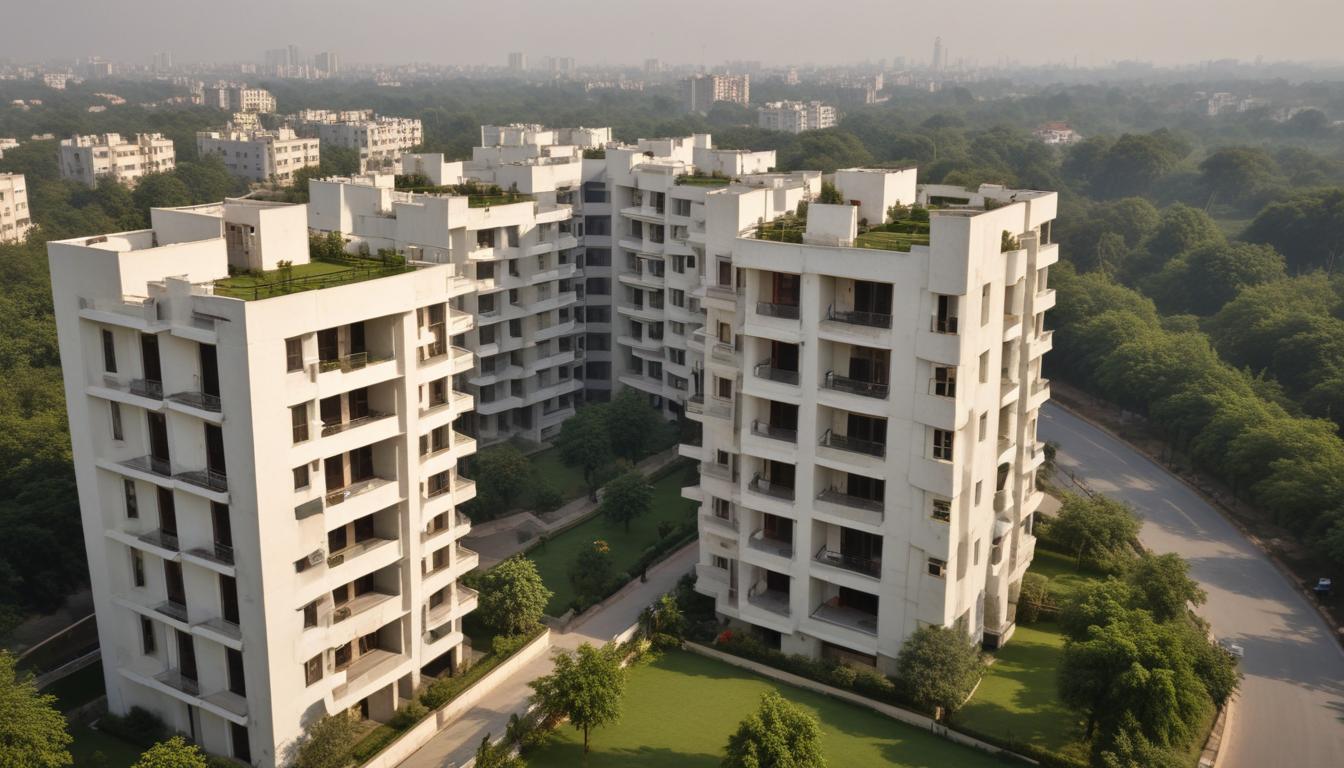
The Delhi property market has long followed a predictable geography: South Delhi commands premiums, Central Delhi holds heritage appeal, and the NCR sprawl absorbs overflow. But 2026 is rewriting that map. Three significant new developments—stretching across Dwarka Phase 5, Sector 62 in Noida, and the emerging Rohini Extension zone—are fundamentally altering what investors and homebuyers consider prime real estate.
The catalyst is transport infrastructure. The completion of the extended Blue Line feeder towards Dwarka Phase 5 has triggered what local analysts call the "corridor effect." Property values in the immediate vicinity have climbed from the Delhi baseline of ₹8,000 per square foot to ₹12,500–₹14,000 within two years. A mixed-use township announced by a major Delhi developer promises 2,800 residential units, 45,000 square metres of retail, and office space—the kind of ecosystem that transforms a commuter zone into a destination.
"What we're seeing isn't just price inflation," explains the sentiment of local market analysts. "It's amenity inflation. These projects bring schools, hospitals, and entertainment within walking distance. That changes the investment narrative entirely."
In Sector 62, Noida's ongoing IT and commercial park expansion has already pulled residential investment forward. New luxury and mid-segment housing clusters are emerging at ₹7,500–₹11,000 per square foot—competitive with South Delhi by sheer location value. The proximity to employment nodes along the Expressway corridor means these areas appeal to working professionals tired of two-hour commutes from traditional residential pockets.
Rohini Extension presents a different dynamic. Until recently, it languished in the shadow of West Delhi's industrial reputation. But a 15-acre commercial plaza and metro-adjacent residential precinct have begun attracting young families and first-time investors. Prices have stabilised around ₹9,500 per square foot—modest by premium standards, but with 18-24 month project completion timelines, appreciation potential is significant.
The meta-lesson is clear: in 2026, development velocity matters more than historical prestige. Investors watching DLF's Gurgaon projects or eyeing South Delhi villas should look sideways at these emerging nodes. The ₹1-2 crore apartment that appreciated 12% annually in an established zone is now competing with ₹85-lakh units in infrastructure-anchored new zones posting similar or better returns.
First-time and portfolio investors would be wise to map these corridor projects closely. The city's property future isn't being written in Lutyens' Delhi anymore—it's being written along metro lines and expressway frontages.
This article was compiled by AI from the sources linked above and screened before publishing. See our editorial standards.