The Delhi rental market is undergoing a quiet transformation. While headline-grabbing residential launches continue across Gurugram and Noida, a parallel shift is occurring within the capital itself—one that savvy tenants and property managers are already beginning to navigate.
New mixed-use developments clustering around metro corridors are pushing vacancy rates down in established neighbourhoods, even as they create pockets of oversupply in emerging zones. Recent data suggests Delhi's average rental yield sits around 2.8–3.2 per cent annually, with South Delhi commanding premiums that rival many global cities. Yet the entry of large-scale projects is democratising access to neighbourhoods previously dominated by older stock.
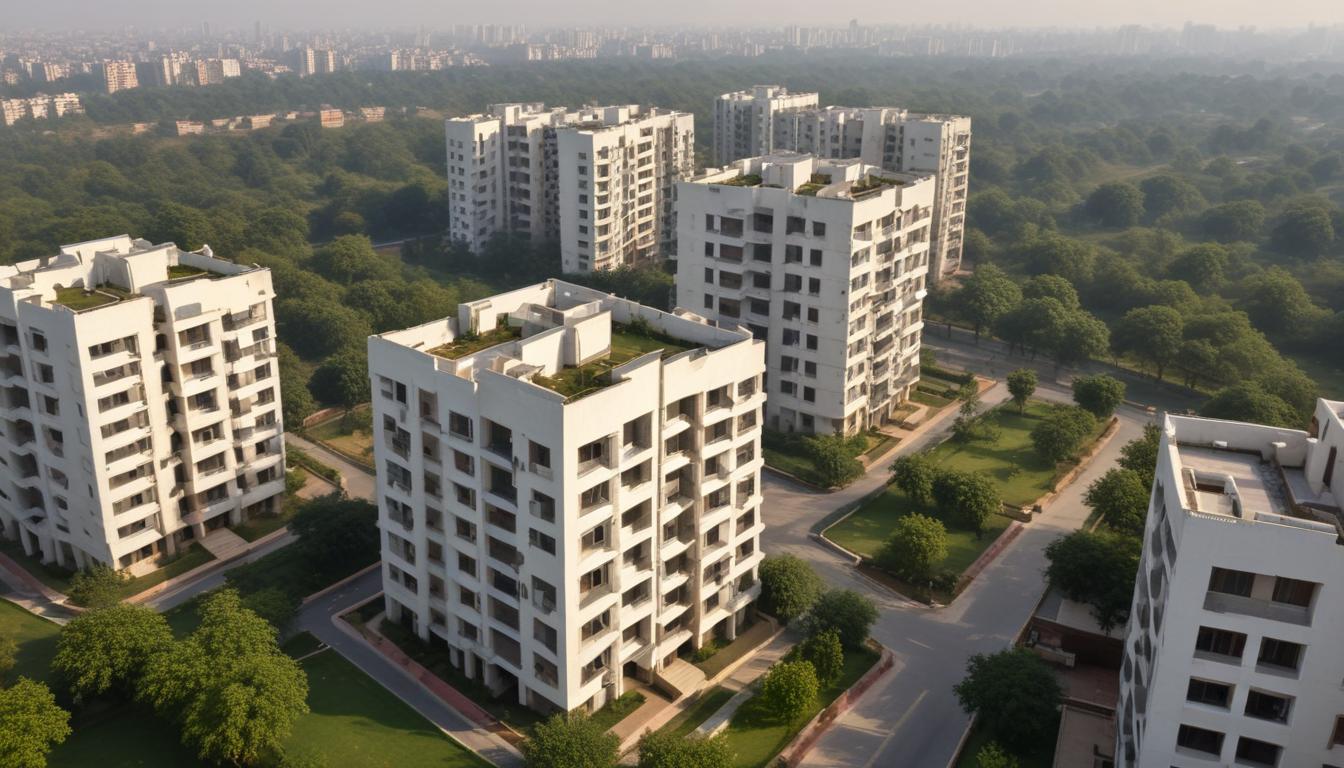
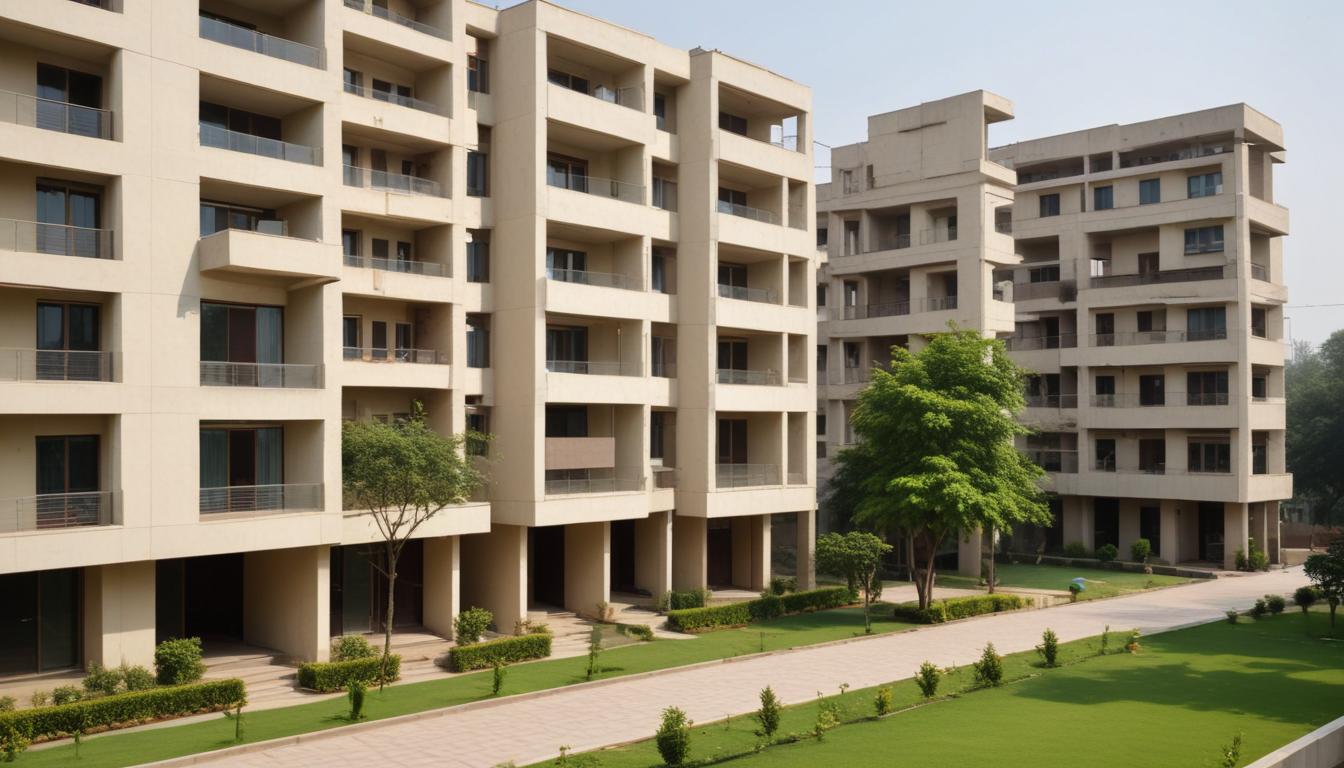
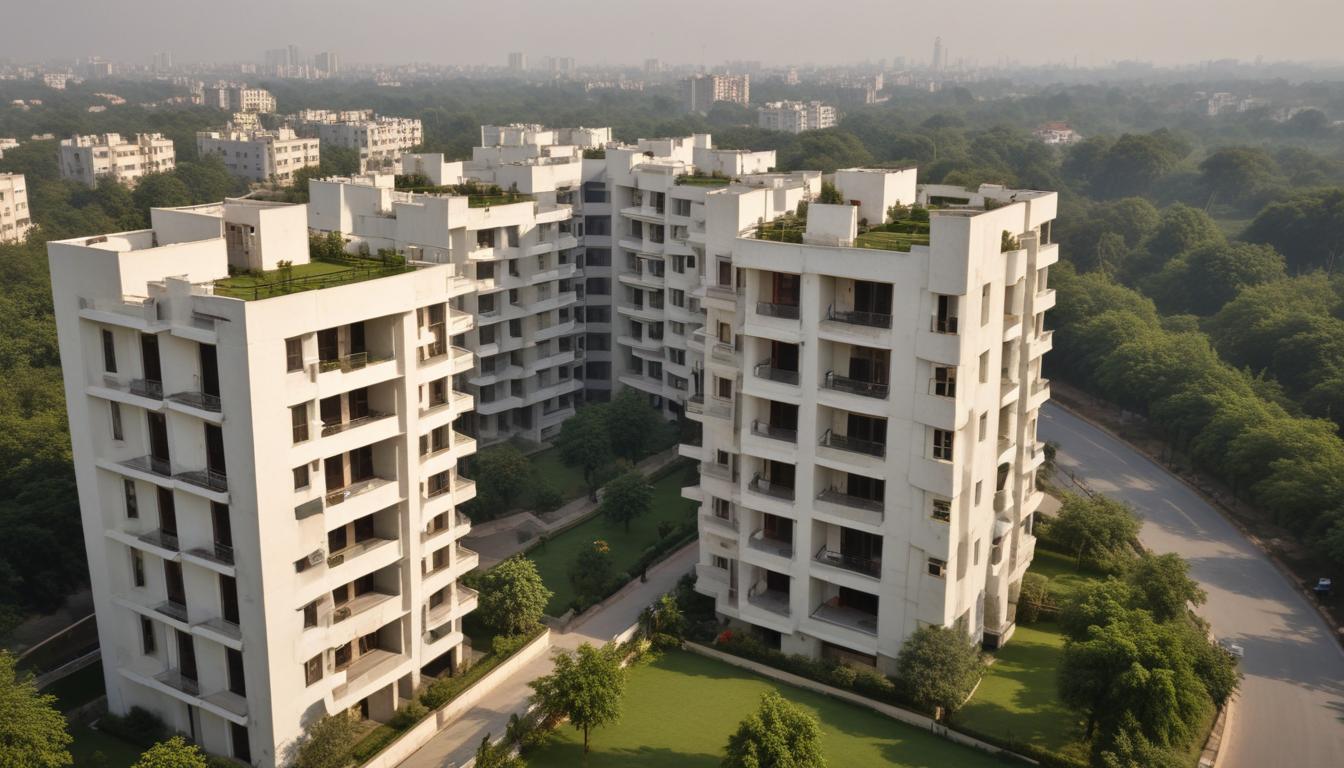
Take the sprawling residential complexes emerging near the Violet Line extension in Kasturba Nagar and adjoining areas. These projects—featuring amenities that older South Delhi colonies cannot match—are reshaping tenant expectations. Landlords in Safdarjung Enclave and the Defence Colony corridor now face genuine competition. The result: tighter tenant vetting, longer-term lease incentives, and pressure on rents that had remained static for nearly four years.
Across the Yamuna, Noida's Sector 62 and Sector 107 projects are absorbing significant rental demand from Delhi professionals seeking value without the South Delhi premium. Monthly rents averaging ₹35,000–₹50,000 for a two-bedroom apartment—compared to ₹70,000–₹90,000 in comparable South Delhi locations—have shifted the calculus for tenants working in central business districts via metro connectivity.
For tenants, the timing presents genuine choice. New developments typically offer transparent lease terms, regulated maintenance protocols, and verified ownership—reducing the friction that characterises older rental markets. The trade-off: newer projects often demand upfront documentation, employer verification, and sometimes higher security deposits.
Property managers report that vacancy cycles have compressed. In established neighbourhoods like Greater Kailash and Chanakyapuri, turnovers now occur within 2–3 weeks rather than the 6–8 week average of three years ago. This velocity reflects both increased supply and a demographic shift: younger professionals increasingly prioritise proximity to metro nodes and modern amenities over address cachet.
The question facing Delhi's rental market isn't whether supply will increase—it will. Rather, which neighbourhoods will absorb demand most efficiently, and whether landlords in consolidated areas will adapt pricing and service standards to remain competitive. Early indicators suggest a bifurcation: premium colonies retaining pricing power, while mid-market areas experience genuine compression.
For tenants entering the market now, the landscape offers unprecedented transparency and choice—provided they're willing to look beyond traditional hotspots.
This article was compiled by AI from the sources linked above and screened before publishing. See our editorial standards.