The Delhi luxury property market—traditionally insulated from regulatory turbulence—is facing its most significant policy-driven realignment in over a decade. Recent amendments to the Master Plan 2041 and revised Floor Space Index (FSI) norms are reshaping investment calculus across premium addresses, from Amar Colony to Safdarjung, forcing developers and high-net-worth buyers to recalibrate expectations in a segment that has long commanded INR 25,000-40,000 per square foot in sought-after South Delhi pockets.
The Delhi Development Authority's latest planning circular, issued in March 2026, tightened FSI allocations for residential mixed-use projects in high-value zones—a direct hit to the stacked luxury apartment model that dominated Lutyens' Delhi development over the past five years. Developers who banked on higher density approvals for premium residential clusters near India Gate and the Central Vista Avenue now face a 15-20% reduction in saleable area on comparable plots. Market analysts note this has already triggered price corrections in under-construction luxury inventory, with some projects in the Institutional Area reporting asking rates down to INR 22,000 per square foot—a 12% dip from Q1 2026 peaks.
Yet paradoxically, the stricter regime is benefiting ready-to-occupy ultra-premium stock. Heritage-grade properties in established South Delhi enclaves—Defence Colony, Niti Bagh, Jor Bagh—have seen renewed buyer interest as investors seek to bypass future regulatory hurdles. Agents working premium transactions report that completed properties with clear regulatory provenance are commanding a 5-8% premium over comparable under-construction assets, a historic reversal.
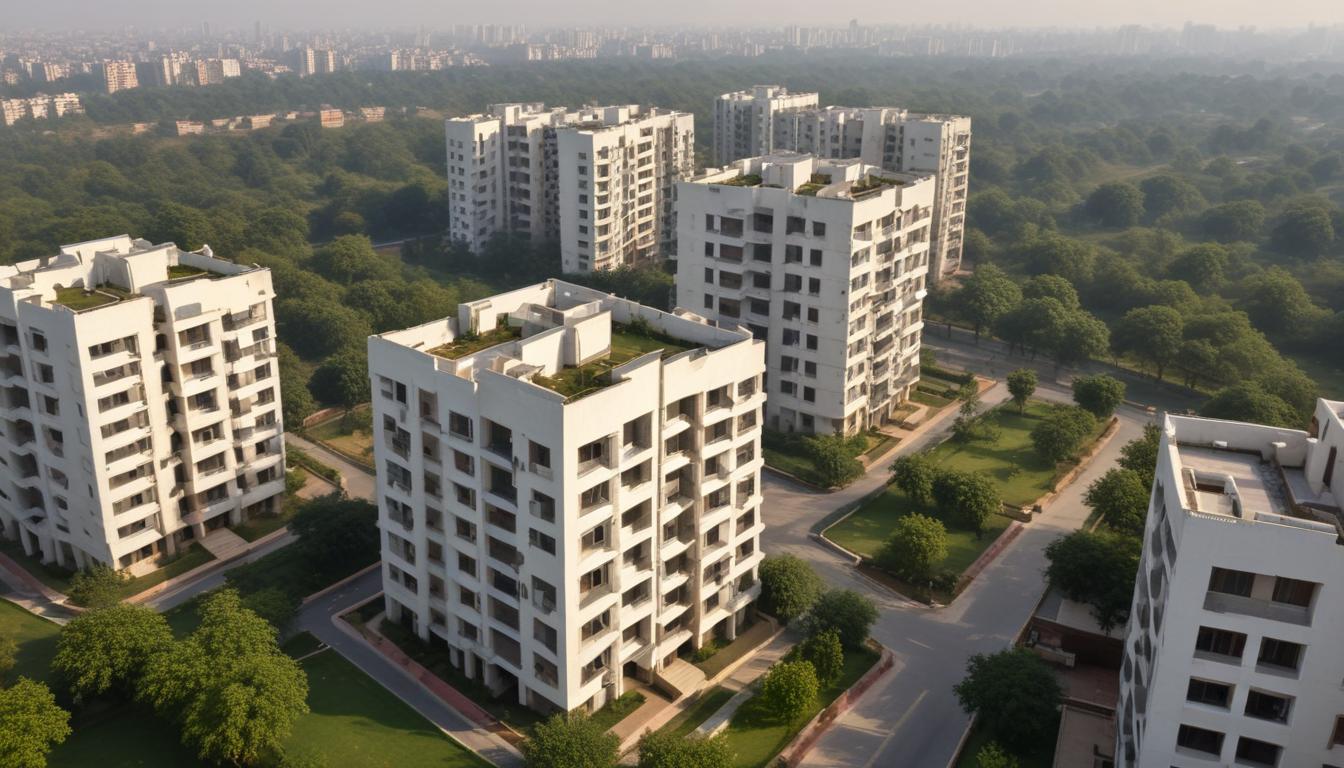
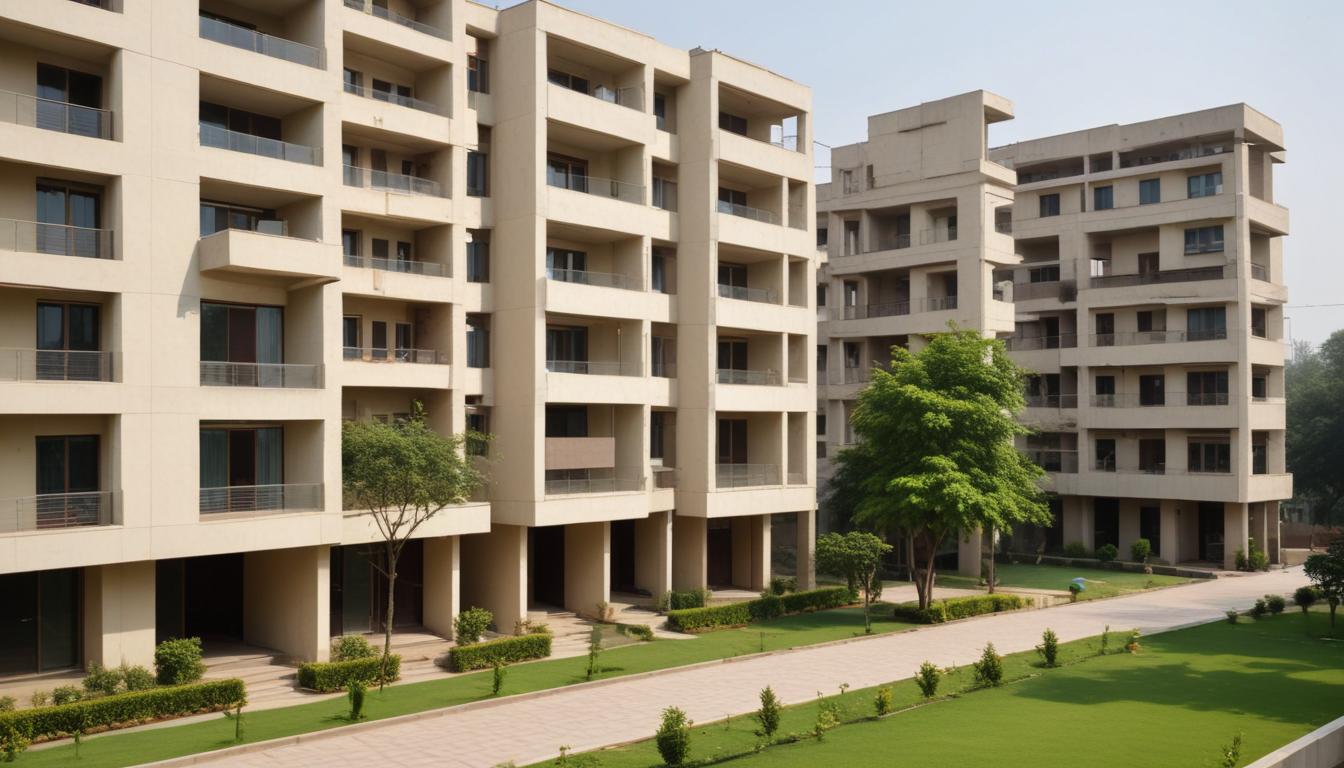
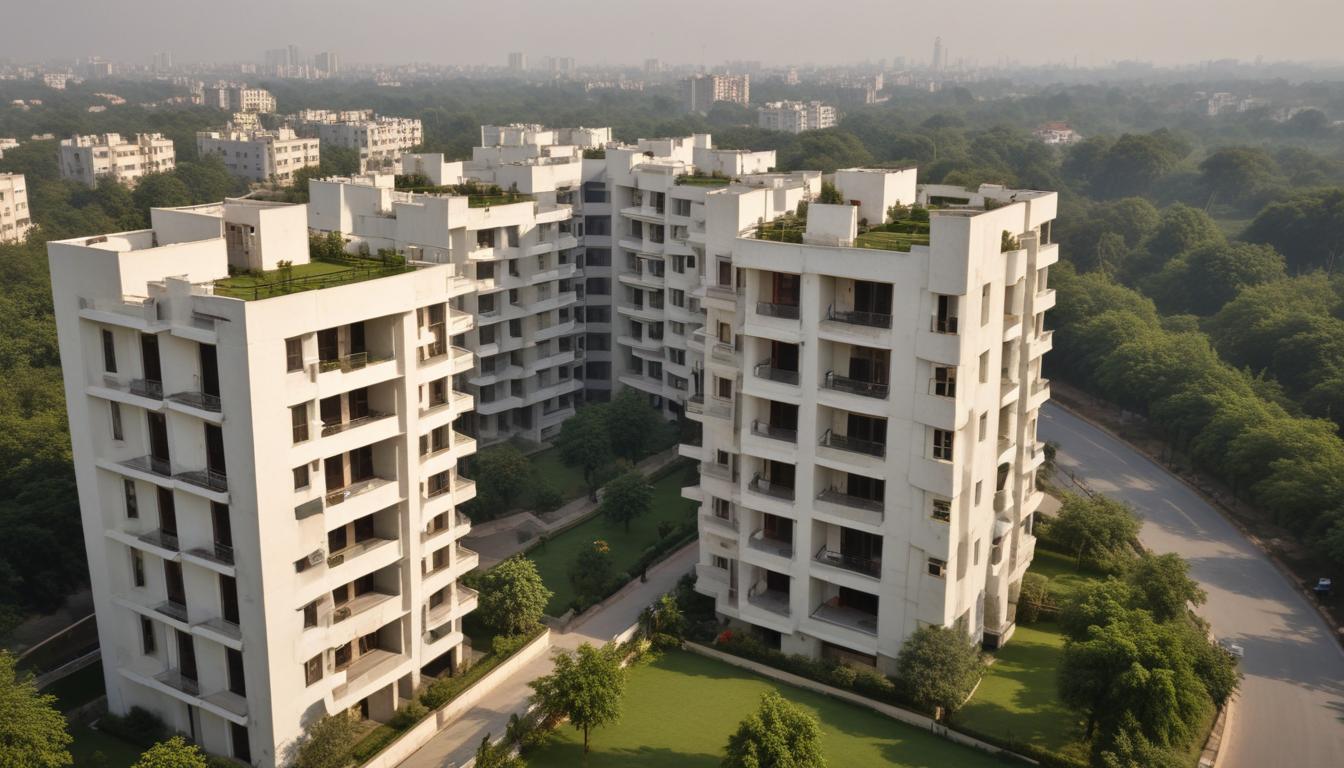
The policy shift also reflects broader intent: planners are pivoting away from high-density vertical luxury toward lower-density, bespoke developments. The new framework incentivises 4-6 storey residential buildings over 15+ storey mixed-use towers, effectively favoring boutique projects aligned with South Delhi's heritage streetscape. This architectural recalibration is reshaping supply dynamics. DLF and other tier-one developers have already recalibrated several pipeline projects, with some pivoting toward standalone luxury villas in Gurgaon's emerging ultra-premium corridors—a geographical shift that underscores Delhi's regulatory pressure.
For buyers, the implications are mixed. Entry barriers to truly premium addresses remain steep—INR 8-10 crore for a quality 4-bedroom in Lutyens' Delhi is now baseline—but choice architecture is tightening. Fewer mega-projects mean less competition, potentially stabilising price trajectories. Real estate consultants suggest this consolidation may ultimately favour established neighbourhoods with grandfathered approvals, where scarcity value is now legislatively entrenched.
This article was compiled by AI from the sources linked above and screened before publishing. See our editorial standards.