Metro Lines and Metro Rates: What's Really Driving Delhi's Housing Boom—and Who Can Still Afford It
As prices climb past ₹8,000 per square foot citywide, savvy buyers are learning where supply, connectivity, and regulation are reshaping the market.
As prices climb past ₹8,000 per square foot citywide, savvy buyers are learning where supply, connectivity, and regulation are reshaping the market.
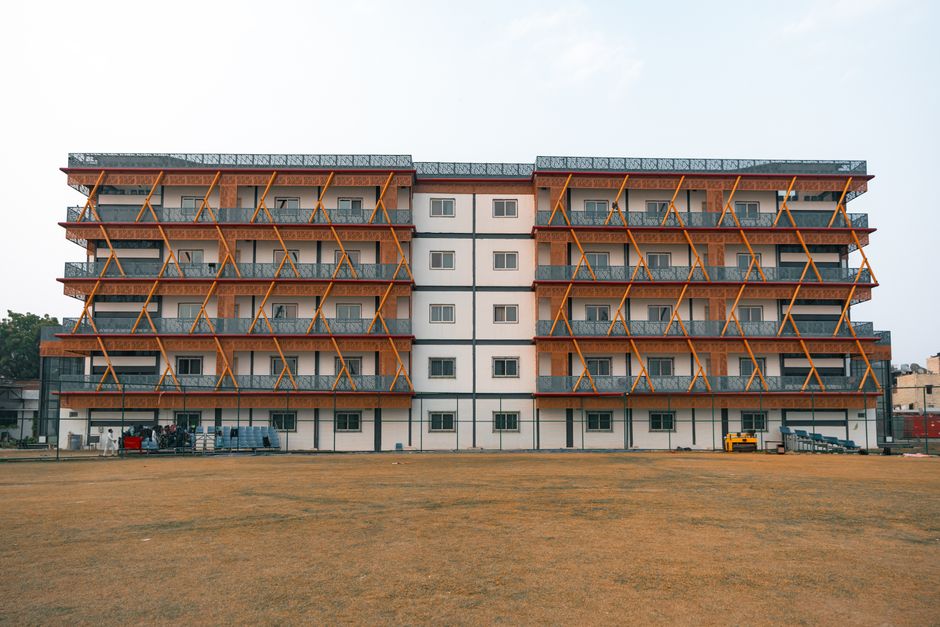
Delhi's property market is at an inflection point. With average prices hovering around ₹8,000 per square foot across the National Capital Region, and South Delhi premium properties commanding double that, buyers navigating today's market face a fundamentally different landscape than even two years ago. Understanding what's driving these shifts—and where opportunity still exists—is critical.
The primary accelerant remains infrastructure. The recent expansion of the Delhi Metro network, particularly extensions toward outer neighbourhoods like Rohini and Dwarka, has triggered a cascade effect. Properties within a 500-metre radius of new stations have seen 15-20 percent appreciation in 18 months, according to market trackers. Conversely, areas in East Delhi or beyond the Outer Ring Road, lacking imminent metro connectivity, remain relatively stagnant. For first-time buyers, this creates a clear playbook: proximity to planned infrastructure beats current amenities.
Regulation has emerged as a secondary but powerful price driver. The Real Estate (Regulation and Development) Act's stricter compliance requirements have reduced speculative inventory in areas like Sector 62, Noida, and premium Gurgaon corridors along the Golf Course Road. This supply tightening has paradoxically benefited established, RERA-compliant projects while freezing out smaller operators. Buyers should now prioritize projects with transparent timelines and clearances over promotional pricing—a reversal of earlier dynamics.
South Delhi's premium positioning—Hauz Khas, Greater Kailash, and Defence Colony command ₹15,000-25,000 per square foot—reflects not just location but accumulated wealth and limited new supply. These aren't investment markets anymore; they're wealth preservation zones for HNI portfolios and corporate relocations. For middle-income buyers, this makes South Delhi increasingly out of reach.
The real story is the NCR arbitrage. Gurgaon's Sector 52 and Noida's Knowledge Park area have emerged as the sweet spot for affordability-meets-connectivity. Prices here range ₹5,500-7,000 per square foot, yet both areas sit on metro lines and have attracted IT majors and startups. Young professionals and growing families are increasingly choosing these corridors over South Delhi fringes at similar price points.
For buyers in 2026, the lesson is timing-dependent. If you're looking within Delhi proper, lock in prices before metro completion around Dwarka or Rohini. In the NCR, the window for sub-₹7,000 per square foot properties on metro corridors is narrowing quarterly. And in South Delhi? That's a long-term hold, not a flip. The market rewards informed positioning over speculation now more than ever.
This article was compiled by AI from the sources linked above and screened before publishing. See our editorial standards.
How does this story make you feel?
Spread the word
About this article
Published by The Daily Delhi
Daily brief
Free, in your inbox before 7am. Weekdays.
More in Property