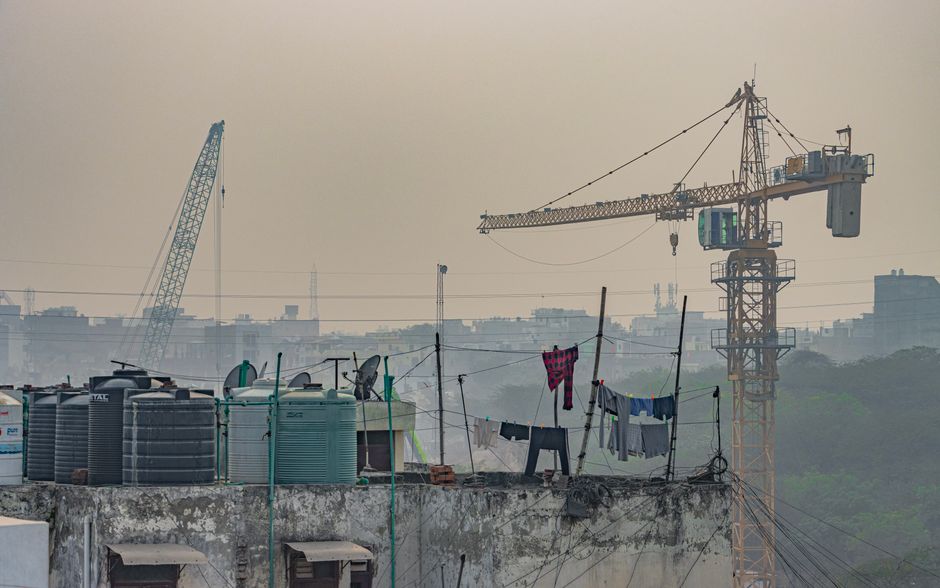
Delhi's property approvals machinery is firing on all cylinders. The past 18 months have seen a wave of new residential projects cleared across South Delhi's premium corridors—from Vasant Kunj to Greater Kailash—alongside aggressive expansion in Gurgaon's Sectors 84-89 and Noida's Sector 150 developments. But this construction boom is creating a peculiar tension: landlords are riding a wave of optimism, while tenants face mounting pressure on budgets and choice.
The mechanics are straightforward. New supply typically dampens rental growth; instead, Delhi's rental market is moving in the opposite direction. A two-bedroom apartment in Hauz Khas that rented for ₹55,000–60,000 monthly two years ago now commands ₹70,000–75,000. Similar appreciation marks South Extension Phase II and Defence Colony. Meanwhile, the city's average rental yield—sitting around 2.8–3.2 per cent annually—remains stubbornly low compared to purchase valuations hovering near ₹8,000 per square foot in established neighbourhoods.
The paradox lies in what's actually being built. Approval data shows that newer projects in South Delhi's premium zones and the NCR's Grade-A office-adjacent residential clusters cater overwhelmingly to the ₹1.5 crore–3 crore buyer segment. For landlords in these zones, this inflates perceived value and rental expectations. But for tenants—particularly the young professional demographic that historically rented in these areas—the calculus has shifted. Rental affordability against average salaries has compressed by an estimated 15–18 per cent since 2024.
The construction approvals also reveal a geographic sorting. DLF's Central Delhi expansion and Godrej Properties' Greater Noida projects are designed for owner-occupancy, not rental stock. This means limited new rental supply where tenants actually seek it: mid-range, well-connected neighbourhoods like Lajpat Nagar, Safdarjung Enclave extensions, and the emerging Metro corridor nodes in East Delhi. Landlords in these pockets are opportunistic, raising rents by 8–12 per cent annually, banking on continued demand and limited alternative inventory.
Regulatory changes compound this dynamic. Stricter lease documentation and GST compliance on rental income—though reducing black money flows—have pushed some landlords to price more aggressively upfront, rather than absorb compliance costs over time. Simultaneously, tenant protections remain weak, leaving renters vulnerable to sudden hikes or evictions.
The rental market is no longer a safety valve in Delhi's property ecosystem. As construction accelerates at the premium end, mid-market rental demand gets squeezed between affordability ceilings and landlord expectations pegged to booming sale prices. For policymakers, the imbalance signals a growing need for rental-focused regulations and affordable housing mandates tied to new approvals.
This article was compiled by AI from the sources linked above and screened before publishing. See our editorial standards.