What's Really Driving Delhi Property Prices Now—And What ...
Metro expansion, NRI demand, and rental yields are reshaping investment calculus across the capital—but not all neighbourhoods are created equal.
Metro expansion, NRI demand, and rental yields are reshaping investment calculus across the capital—but not all neighbourhoods are created equal.
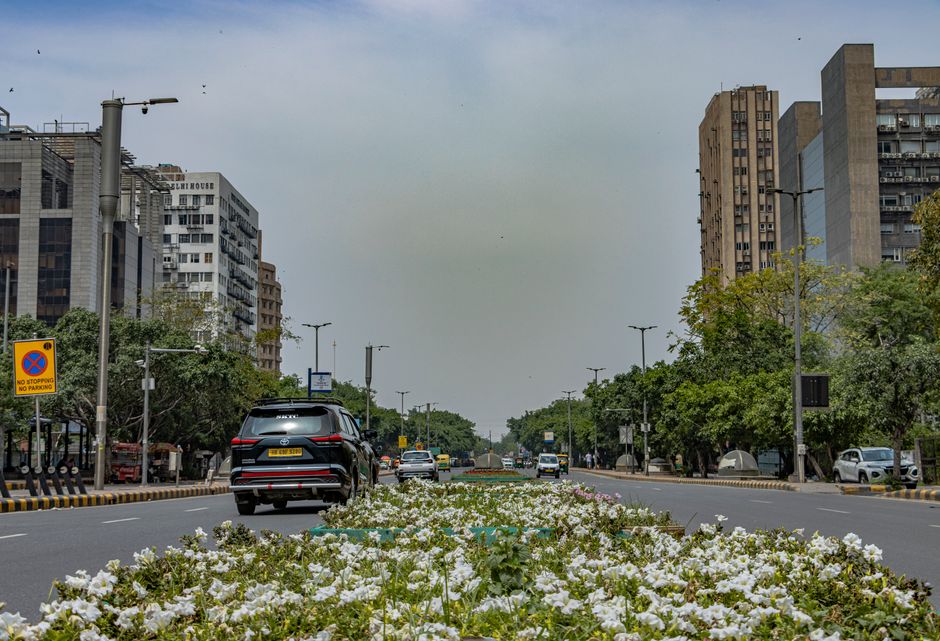
Delhi's residential property market is at an inflection point. While the city's average of ₹8,000 per square foot masks significant regional variation, savvy investors are increasingly asking the right question: what's actually moving prices, and where can yields justify the entry cost?
The answer lies in three structural shifts reshaping the landscape. First, metro corridor expansion continues to be a reliable price accelerant. Properties within 500 metres of upcoming metro stations—particularly along the Blue Line extension toward Noida and the Rapid Metro corridor in Gurgaon—are commanding premiums of 15–20% over comparable non-connected zones. This isn't speculation; it's transport arbitrage. A two-bedroom apartment in Sector 73, Noida, near the proposed metro junction, now fetches ₹55–65 lakhs, compared to ₹42–48 lakhs just two years ago.
Second, South Delhi's premium positioning remains intact, but it's increasingly selective. While Malviya Nagar and Greater Kailash neighbourhoods near Lajpat Nagar Metro maintain rental yields of 2.5–3%, newer hotspots like the DLF developments in South Delhi's fringe areas offer yields closer to 3.5–4% at lower entry points. The trade-off: location flexibility for higher returns.
Third—and this often goes underreported—NRI buying and institutional money are reshaping micro-markets. Properties marketed toward diaspora buyers in Chanakyapuri and near Aerocity command price-per-unit premiums despite lower rental uptake, inflating the broader index without improving landlord fundamentals.
For buy-to-let investors, this creates both opportunity and risk. The conventional wisdom—buy in South Delhi, collect steady 2.2% yields—no longer stacks up against 6–7% fixed deposit returns. Instead, investors should pivot toward emerging metro corridors, particularly Gurgaon's Sector 65–75 belt and Noida's institutional clusters near the Expressway, where rental demand from young professionals and corporate relocations supports 3.5–4.2% gross yields.
Equally crucial: understand your buyer. A property near Delhi Metro's Pink Line extension in East Delhi appeals to daily commuters; one near DLF's commercial hub in Gurgaon appeals to corporate renters. Misalignment kills occupancy.
Regulation also matters now more than before. The Real Estate (Regulation and Development) Act has tightened disclosure and dispute resolution, making developer credibility paramount. Established names like DLF, Lodha, and Godrej command confidence premiums—often justifiably.
Bottom line: yesterday's 2% yield paired with capital appreciation isn't guaranteed anymore. Today's landlord-investor must chase yield actively, understand metro timelines, and buy in alignment with genuine tenant demand. The Delhi property market rewards specificity, not generalisation.
This article was compiled by AI and screened before publishing. See our editorial standards.
How does this story make you feel?
Spread the word
About this article
Published by The Daily Delhi
Daily brief
Free, in your inbox before 7am. Weekdays.
More in Property