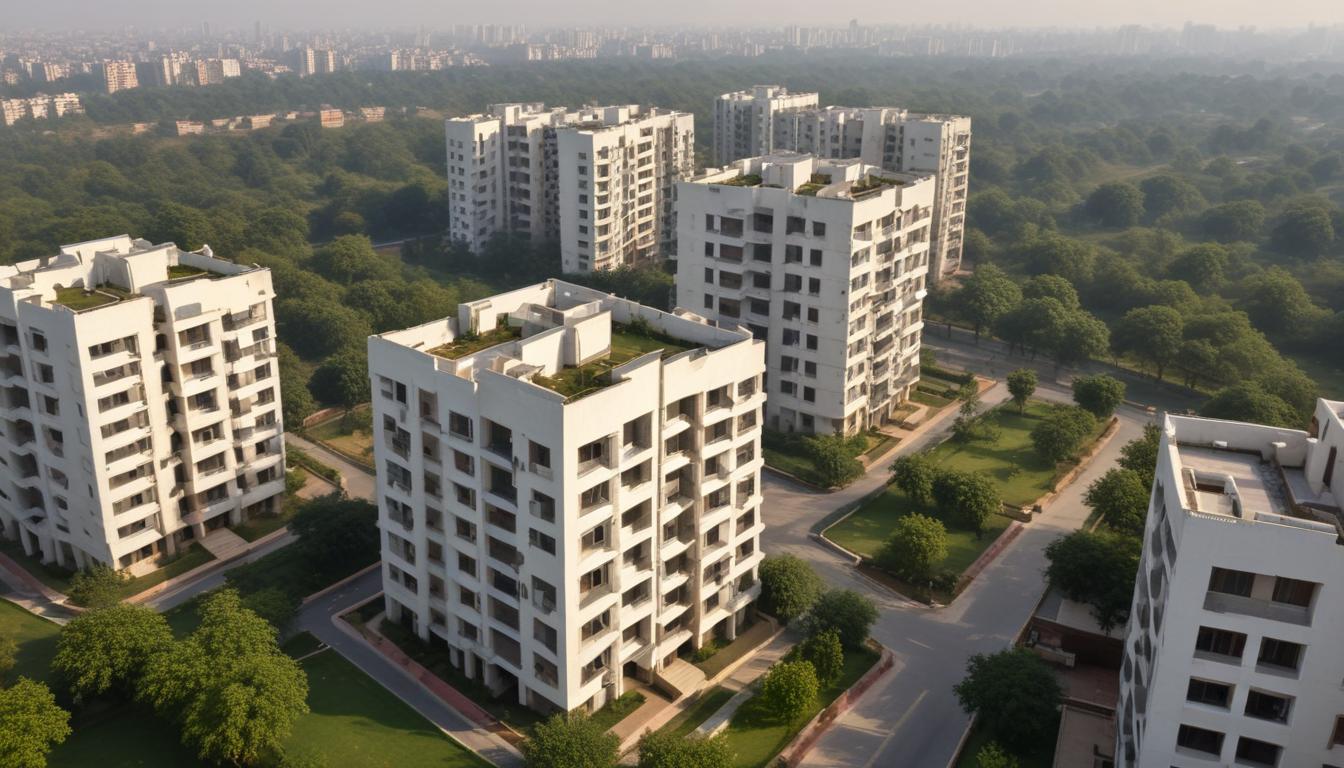
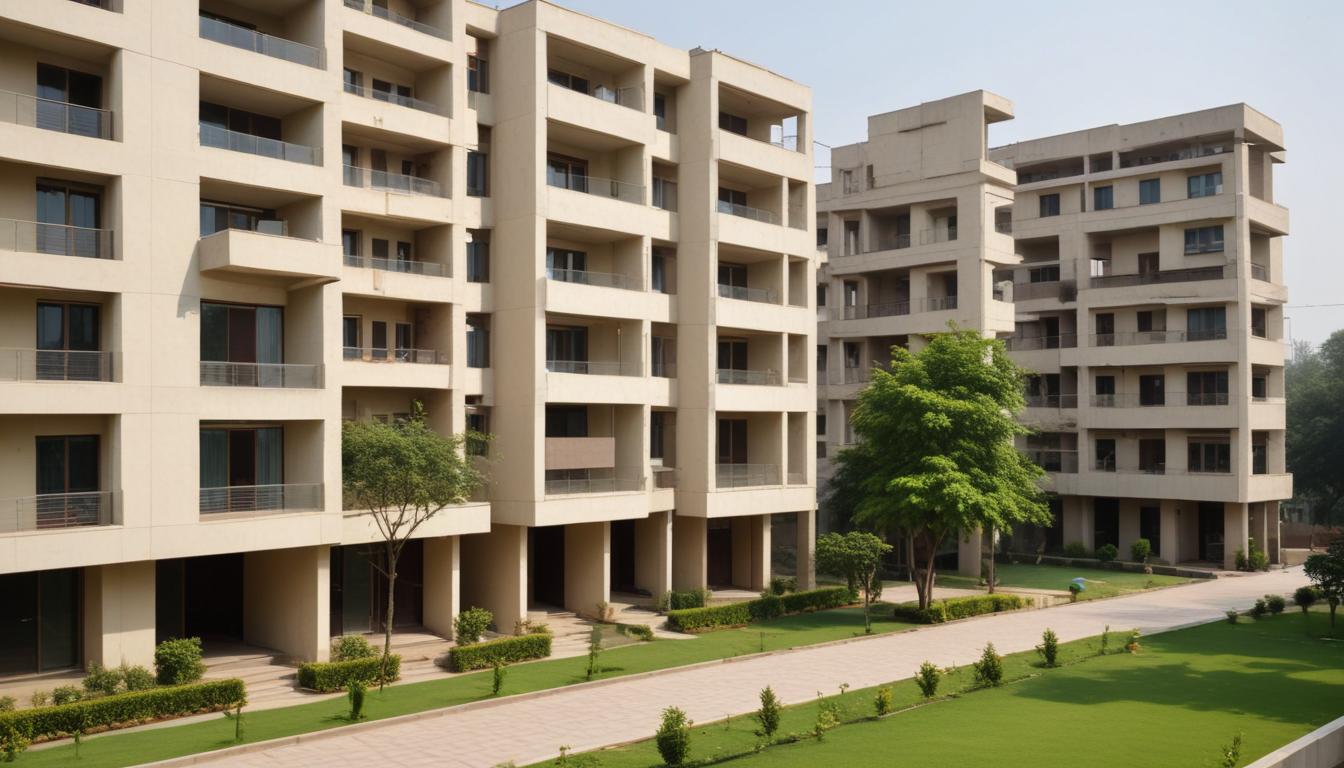
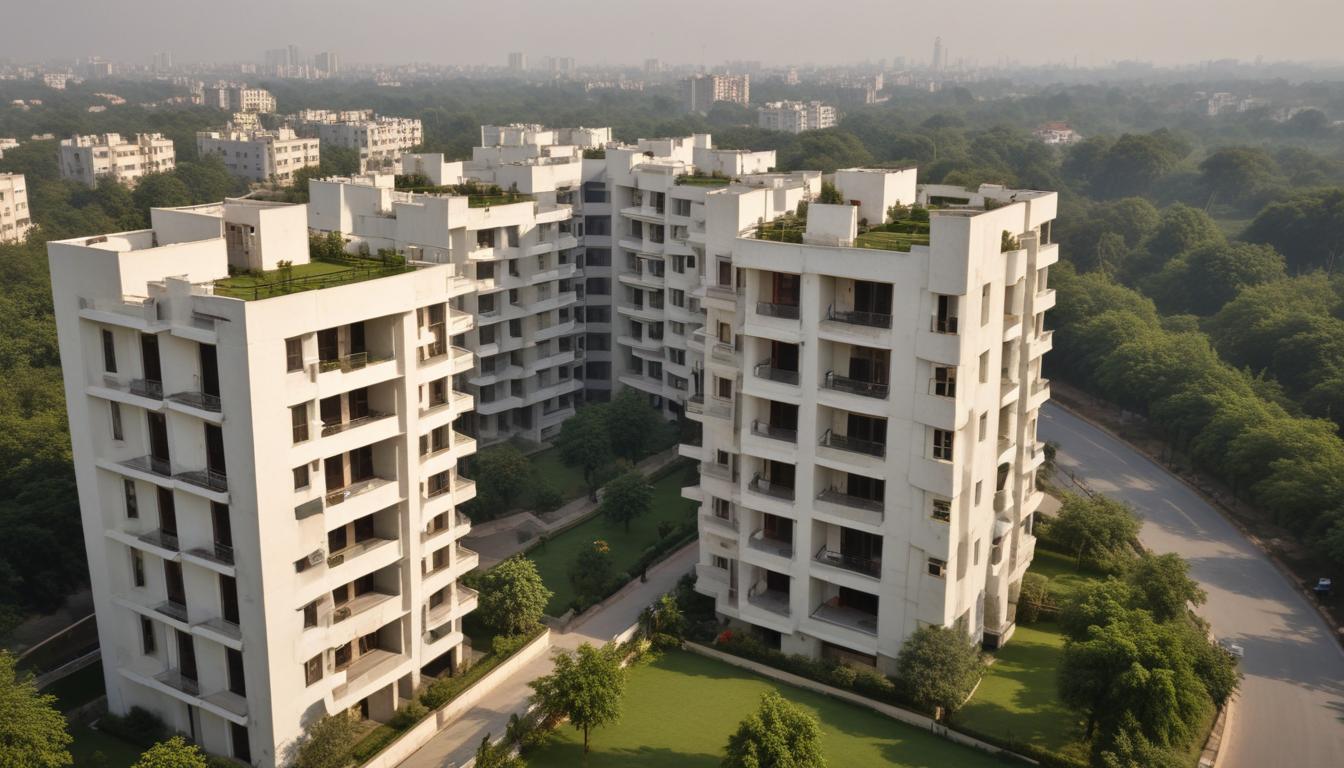
Delhi's property market has long rewarded those who buy near emerging infrastructure. Today, that wisdom rings truer than ever as the Phase IV metro corridor expansion and mixed-use developments reshape yield expectations across the National Capital Region.
The mathematics are shifting. While South Delhi—Hauz Khas, Greater Kailash, Defence Colony—remains the premium anchor, averaging ₹8,000 per square foot, newer corridors tell a different story. Properties within 500 metres of upcoming metro stations in East Delhi and the Gurgaon-Dwarka axis are seeing rental demand spike without proportional price escalation, creating a rare yield advantage.
Consider the Ashok Vihar and Sector 62 (Noida) clusters. Major office parks and IT corridors have materialised in the past 18 months. A 2-BHK apartment acquired at ₹45 lakhs two years ago now generates ₹18,000–₹22,000 monthly rent—a 5.3 per cent gross yield before maintenance. Compare that to South Delhi's saturated 3–3.5 per cent, and the case for diversification becomes compelling.
DLF's ongoing commercial projects in Cyber City, Gurugram, and residential launches near the proposed Dwarka Expressway junction are prime examples. These aren't speculative plays; they're anchored by genuine employment hubs and transit accessibility. Landlords in adjacent residential pockets report 40–50 per cent faster tenant acquisition and rental rate growth of 8–10 per cent annually.
But location proximity isn't enough. Smart investors are now tracking three metrics: metro distance (ideally within 1.5 km), proximity to commercial nodes or educational institutions, and municipal infrastructure maturity. New water supply schemes in East Delhi and improved sewage networks in Noida's eastern sectors have lifted tenant quality and retention.
The regulatory environment matters too. The Real Estate Regulation Act has improved transparency, reducing vacancy periods and disputes. Landlords in organised societies near NITI Aayog or Indira Gandhi International Airport corridors report smoother tenant cycles.
One caution: not all new development translates to yield uplift. Projects lacking connectivity or dependent on single-sector employment are slower to mature. Gurugram's peripheral sectors and Noida's western reaches, despite lower acquisition costs, show stretched rental collection cycles.
The sweet spot remains clear: emerging but not remote. Properties within 2 km of announced metro stations, near operational commercial zones, and in societies with good governance are attracting institutional and high-income tenants. For Delhi's property investors, the next five years belong to those who recognise that yield doesn't follow price—it follows infrastructure certainty.
This article was compiled by AI from the sources linked above and screened before publishing. See our editorial standards.