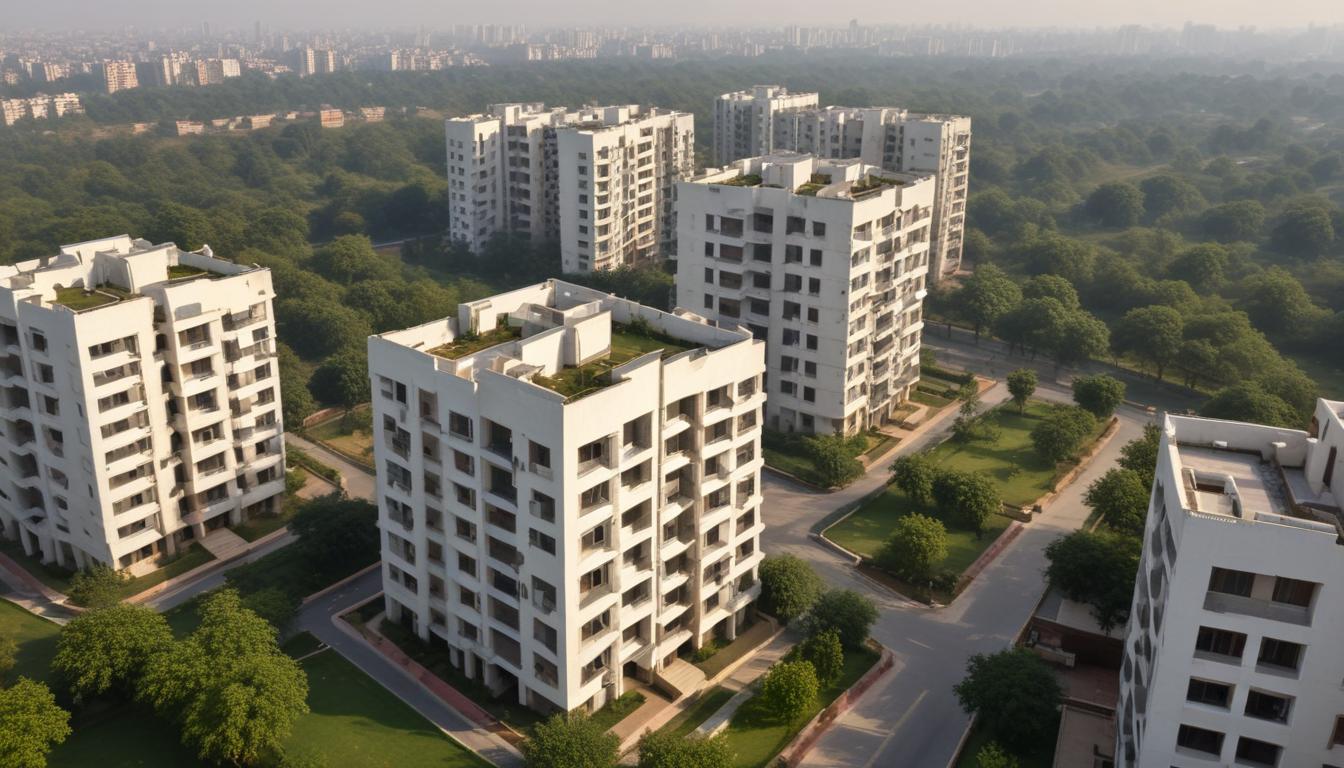
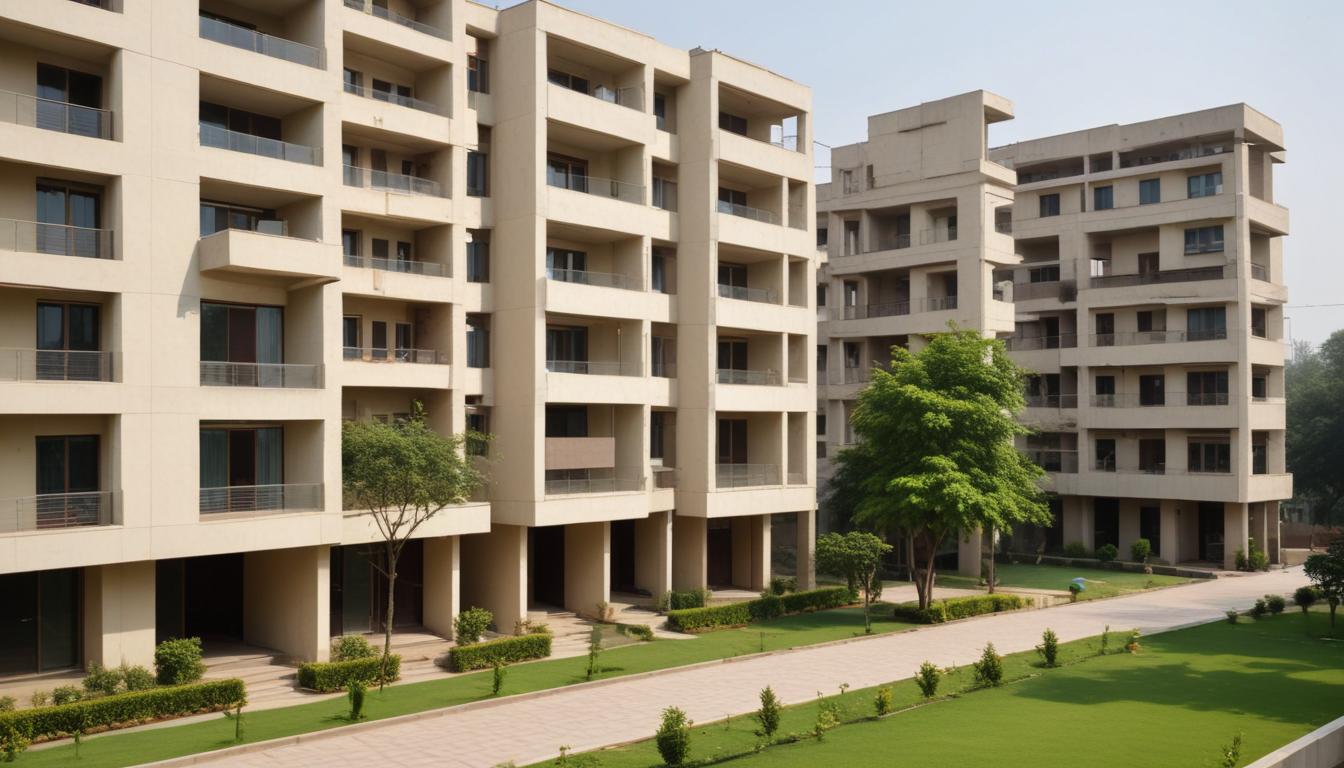
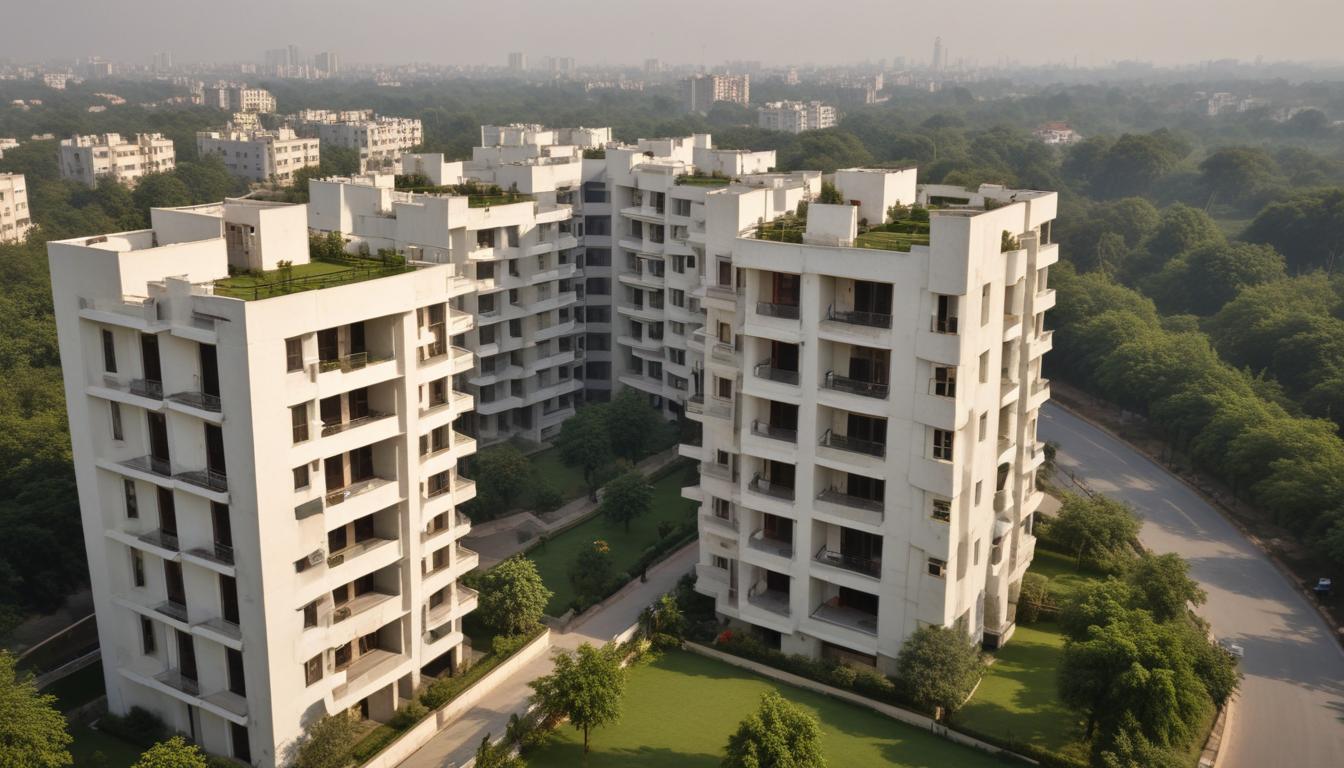
Delhi's affordable housing landscape is undergoing its most significant shift in years. With the average property in central Delhi hovering around ₹8,000 per square foot, a fresh wave of government-backed and developer-led projects is targeting middle and lower-income families across the capital and its satellite cities, creating ripple effects that extend far beyond the housing units themselves.
The Delhi Development Authority's recent push to activate land parcels in East Delhi—particularly around the Okhla Industrial Area Extension and near the Eastern Peripheral Expressway—marks a turning point. These zones, traditionally industrial and underutilised, are now attracting mixed-use developments that combine affordable housing with retail and community infrastructure. When completed, these projects will inject thousands of homes into markets where land acquisition has historically been the primary barrier to affordability.
In Noida and Gurgaon, NCR's growth engines, the pattern is similarly transformative. Sectors along the Rapid Metro corridor and the proposed Delhi-Meerut Expressway are seeing allocation of land for affordable housing complexes. These aren't peripheral settlements anymore—they're positioned along high-frequency transit routes, which fundamentally changes their viability for working professionals priced out of central Delhi's ₹12,000-₹15,000 per square foot South Delhi premium.
What makes these projects significant isn't just supply. Infrastructure follows. When a 2,000-unit affordable complex launches in Sector 62, Noida, or along the Dwarka Expressway, municipal corporations upgrade sewerage systems, schools and clinics materialise, and local markets densify. Property values in adjacent areas—both affordable and mid-market segments—typically appreciate 15-20 per cent within three to four years of project completion, according to market trackers.
The knock-on effects are visible in neighbourhoods like Greater Noida, where earlier phases of affordable housing have catalysed commercial activity around Noida City Centre and along the expressway connectors. What was once considered distant has become commute-viable thanks to metro expansion and improved road infrastructure that followed housing projects.
However, the challenge remains execution. Land clearance, regulatory approvals, and construction timelines have historically delayed delivery. The recent 'Home for a Home' initiative and other policy frameworks aim to streamline these processes, but tracking completion rates remains critical. For Delhi's middle class—those earning ₹5-₹12 lakh annually—these projects represent their primary pathway to ownership. For neighbourhoods, they represent demographic and economic renewal that extends well beyond the gated boundaries of the development itself.
This article was compiled by AI from the sources linked above and screened before publishing. See our editorial standards.