Delhi's New Housing Boom Is Reshaping the Rental Market—But Not Everyone Is Winning
As construction accelerates across the NCR, landlords face rising maintenance costs while tenants struggle with shrinking affordable options in prime locations.
As construction accelerates across the NCR, landlords face rising maintenance costs while tenants struggle with shrinking affordable options in prime locations.
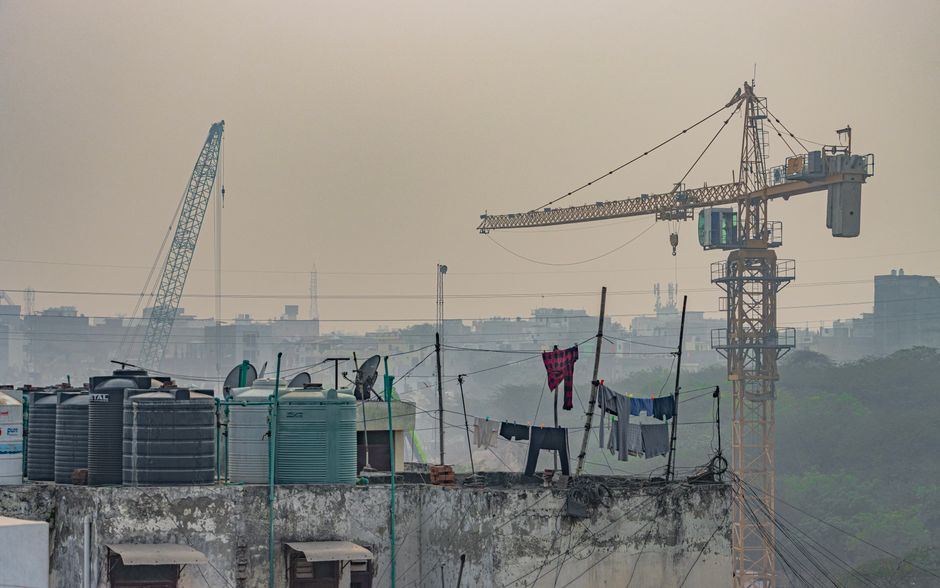
The construction cranes are impossible to miss. From the metro-linked corridors of Dwarka to the sprawling DLF developments in Gurgaon, Delhi's property market is witnessing an unprecedented building spree. But beneath the headlines about rising valuations and brisk sales, a quieter crisis is unfolding in the rental market, where new supply and regulatory pressures are creating a pinch for both landlords and tenants.
Property registrations for new residential projects across Delhi-NCR exceeded 45,000 units in the first quarter of 2026 alone, according to industry trackers. While this should theoretically ease housing shortages, rental market dynamics tell a different story. In South Delhi neighbourhoods like Defence Colony and Siri Fort, where new developments have lifted values to ₹12,000-₹15,000 per square foot, landlords are grappling with higher property taxes and maintenance levies. A two-bedroom apartment in Lajpat Nagar that once generated steady rental income of ₹50,000 monthly now sees owners facing ₹8,000-₹10,000 in annual regulatory compliance costs.
The paradox is sharp. While new construction—particularly metro-corridor projects in Noida and sectors along the extended metro lines—has added inventory, older rental stock is being pulled from the market. Owners are increasingly opting to sell rather than rent, given the regulatory burden of tenant laws and the attraction of capital appreciation. This has compressed options for the middle-income renter, the segment that once found reliable homes near workplaces in Connaught Place or Nehru Place.
"Rentals in established areas have flat-lined, but new developments are pricing 20-30 per cent higher than comparable older properties," notes a pattern evident in Gurgaon's Sector 83-85 corridor, where newer complexes command ₹35-₹45 per square foot monthly versus ₹24-₹28 for five-year-old buildings nearby.
Tenants, meanwhile, face a squeeze. The flight of affordable rental stock, combined with new developments' premium positioning, has widened the gap between what renters can access and where jobs are concentrated. Many are pushed further into the periphery—Noida's Sector 62 or Greater Noida West—accepting longer commutes to find economical rents.
For the rental market to stabilize, experts suggest policy intervention: incentivizing landlord compliance through tax relief, or mandating affordable rental quotas in new large developments. Without such moves, Delhi risks a two-tier rental market—luxury units in gleaming new towers and an increasingly strained mid-market squeezed between disappearing old stock and unaffordable new supply.
This article was compiled by AI from the sources linked above and screened before publishing. See our editorial standards.
How does this story make you feel?
Spread the word
About this article
Published by The Daily Delhi
Daily brief
Free, in your inbox before 7am. Weekdays.
More in Property