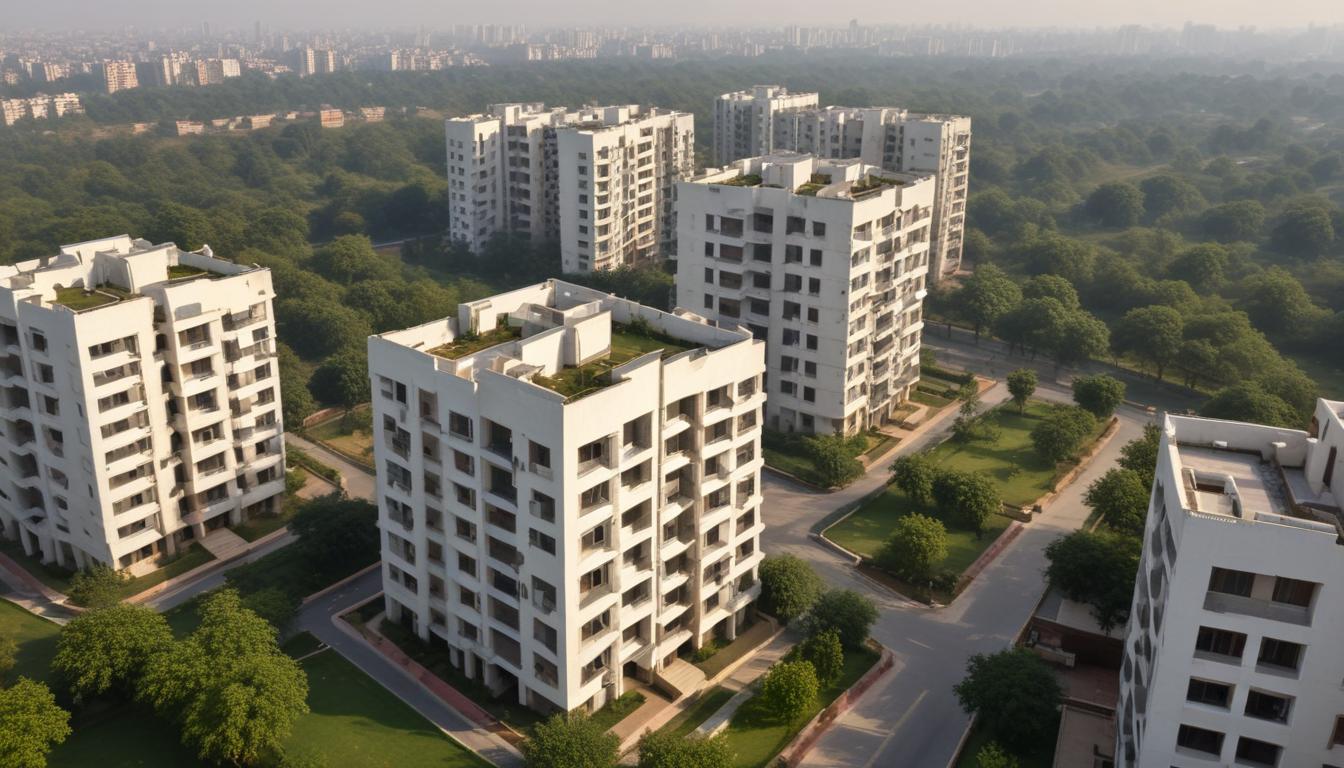
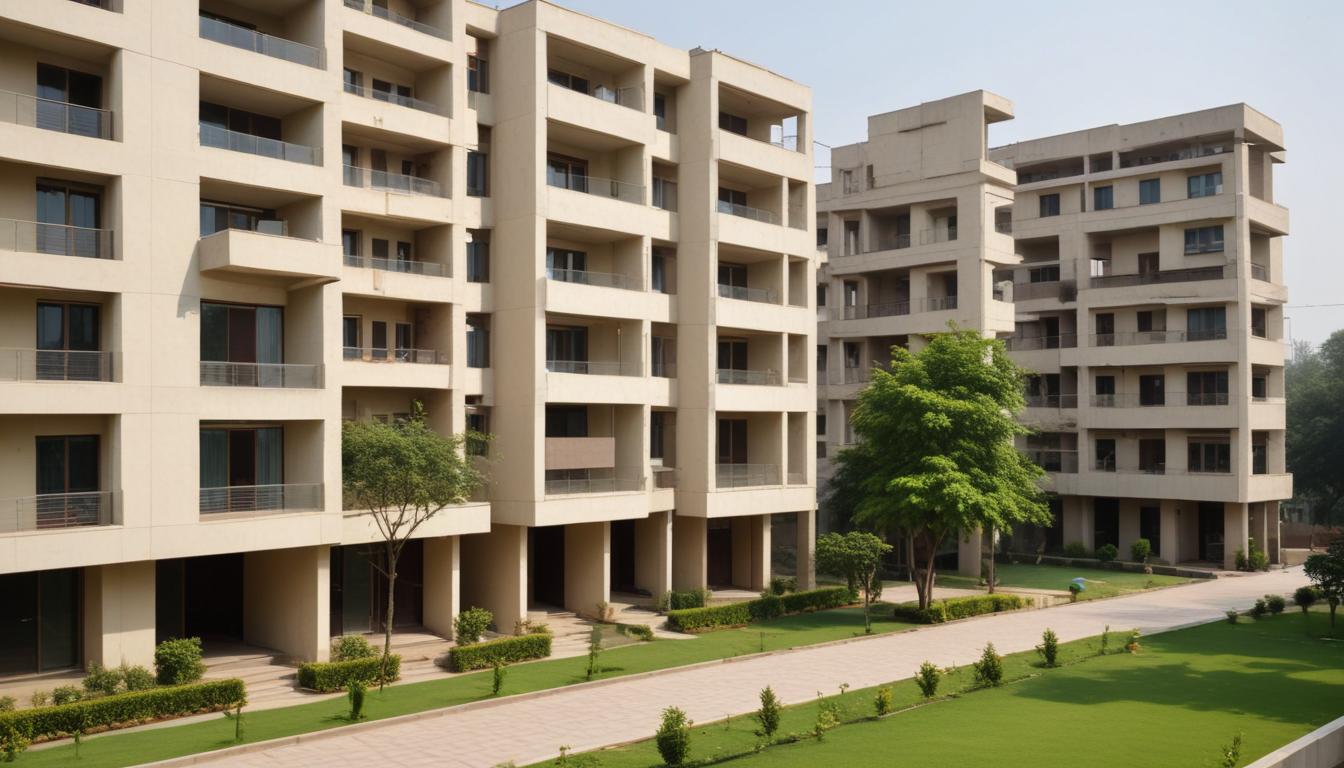
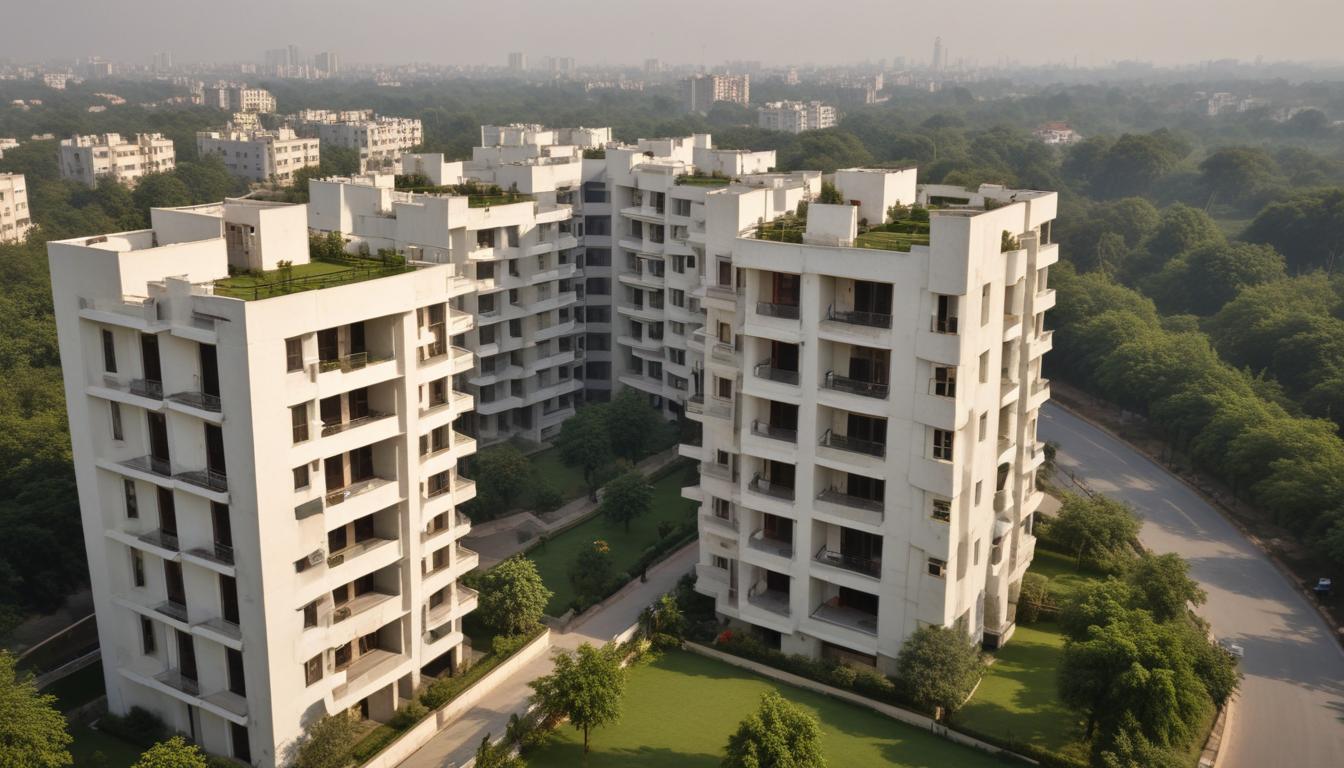
Delhi Metro Extensions 2026: Property Investment Guide
Metro Phase IV expansions reshape Delhi's property market. Discover which emerging corridors—Karkardooma, Dwarka-Badarpur—offer investment potential as South Delhi plateaus.
Metro Phase IV expansions reshape Delhi's property market. Discover which emerging corridors—Karkardooma, Dwarka-Badarpur—offer investment potential as South Delhi plateaus.
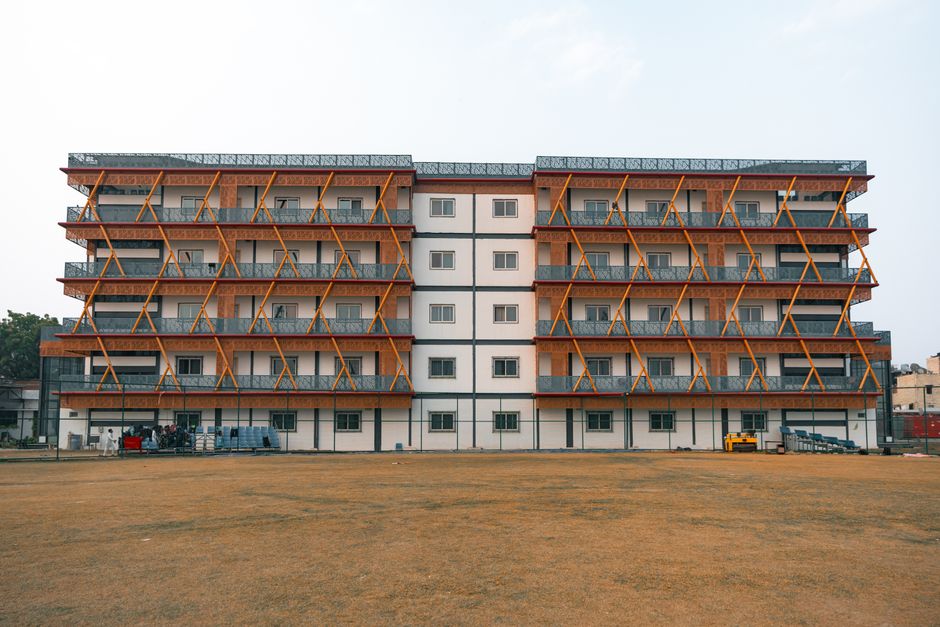
Delhi's property market has rarely moved in sync with policy, but 2026 is proving different. The National Capital Region's newly approved Phase IV metro extensions—particularly the Dwarka-Badarpur corridor and the delayed Aerocity expansion through Vasant Kunj—are already triggering measurable shifts in neighbourhood valuations and investor sentiment.
The impact is most visible in traditionally overlooked zones. East Delhi's Karkardooma, long dismissed as peripheral, has seen average property values climb from INR 6,200 per square foot to INR 7,100 in just eight months, directly correlated with the metro authority's confirmed 2027 completion date. Meanwhile, South Delhi's iconic Hauz Khas and Defence Colony—commanding INR 12,000–15,000 per sqft—are experiencing a plateau as investors rotate into emerging micro-markets.
The Delhi Development Authority's (DDA) revised Master Plan 2041, now in final public consultation, is reshaping investor strategy further. New mixed-use zoning permissions in Rohini and Punjabi Bagh have unlocked commercial-residential hybrid projects, attracting developers and capital markets players previously locked out. Property consultants report a 34% surge in enquiries for these corridors within weeks of the zoning announcement.
Gurgaon's trajectory offers a cautionary tale. When Haryana's Unified Building Bye-laws relaxed FAR restrictions in 2019, land parcels near proposed metro stations doubled in value within two years—but oversupply followed by 2024. Delhi's planners appear mindful. The revised policy deliberately staggered approvals across five corridors, preventing speculative clustering.
On the ground, the effects are tangible. Vaishali in Ghaziabad, historically cheaper at INR 5,800 per sqft, has attracted three major residential launches since the Ghaziabad metro extension's policy approval. Noida's Sector 150, near the proposed Aqua Line extension, has seen similar momentum.
However, not all policy shifts benefit all neighbourhoods equally. The new Environmental Clearance (EC) requirement for projects over 5,000 sqm—introduced by Delhi's pollution control board—has frozen speculative smaller developments in South Delhi's Chhatarpur and Greater Kailash peripheries. Investors now favour larger, better-capitalised developers in zones like Dwarka and New Rohini, where compliance infrastructure is established.
For property investors, the lesson is clear: 2026's shifts reward those tracking policy timelines, not just price trends. The next 18 months will be decisive—metro completion dates, zoning notifications, and environmental clearances are the true market drivers, far more than celebrity property deals or promotional initiatives. Smart money is watching the Delhi Planning Department's website as closely as real estate portals.
This article was compiled by AI from the sources linked above and screened before publishing. See our editorial standards.
How does this story make you feel?
Spread the word
About this article
Published by The Daily Delhi
Daily brief
Free, in your inbox before 7am. Weekdays.
More in Property