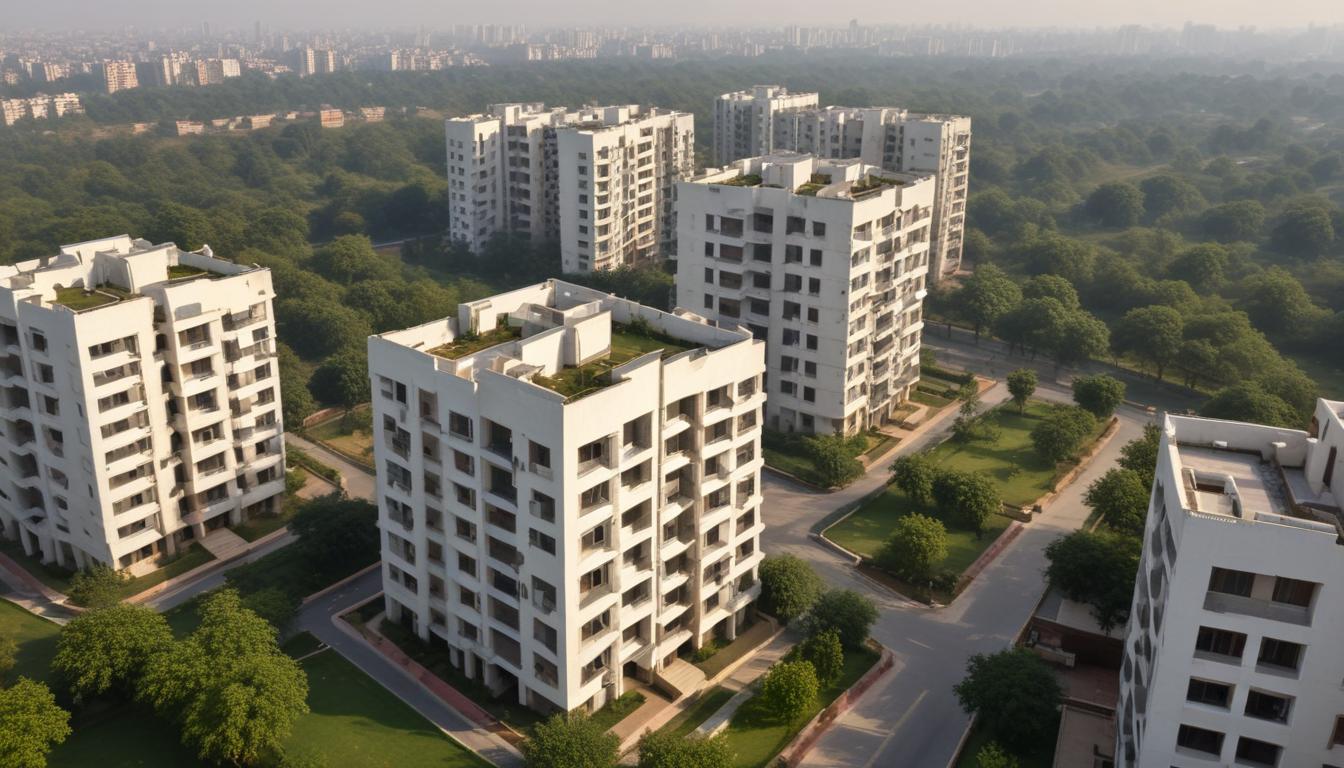
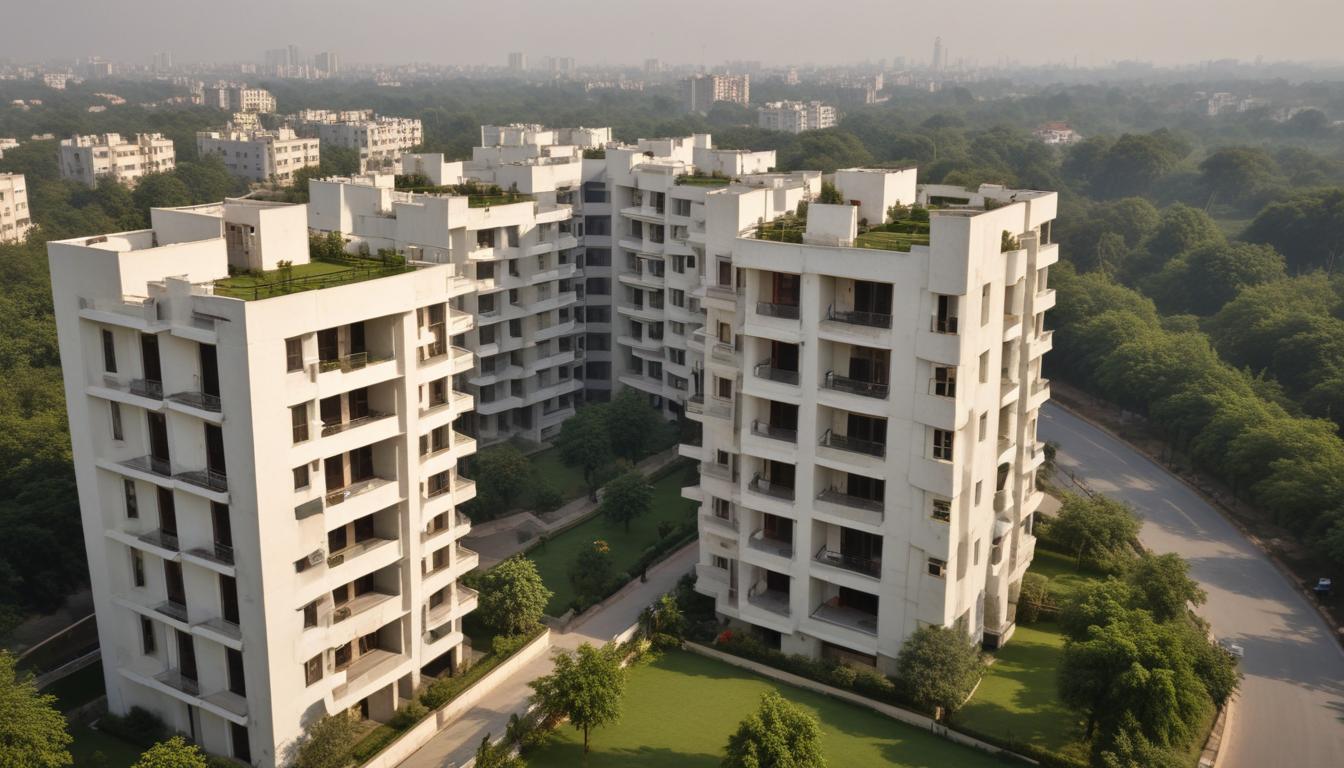
Delhi's rental market is experiencing a curious contradiction. While construction cranes dominate the skyline from Gurugram to Noida, and major developers race to complete projects across South Delhi's premium localities, both tenants and landlords report mounting frustration with rental conditions that show no signs of stabilising.
The figures tell a complex story. With Delhi's average property valuation hovering around ₹8,000 per square foot, rental yields have compressed significantly. A two-bedroom apartment in Defence Colony or Greater Kailash, valued at ₹1.2 crore, now generates monthly rental income of just ₹45,000 to ₹50,000—a return of barely 4.5 to 5 percent annually. This squeeze has prompted many property owners to leave units vacant, waiting for appreciation rather than renting, further tightening supply in established neighbourhoods.
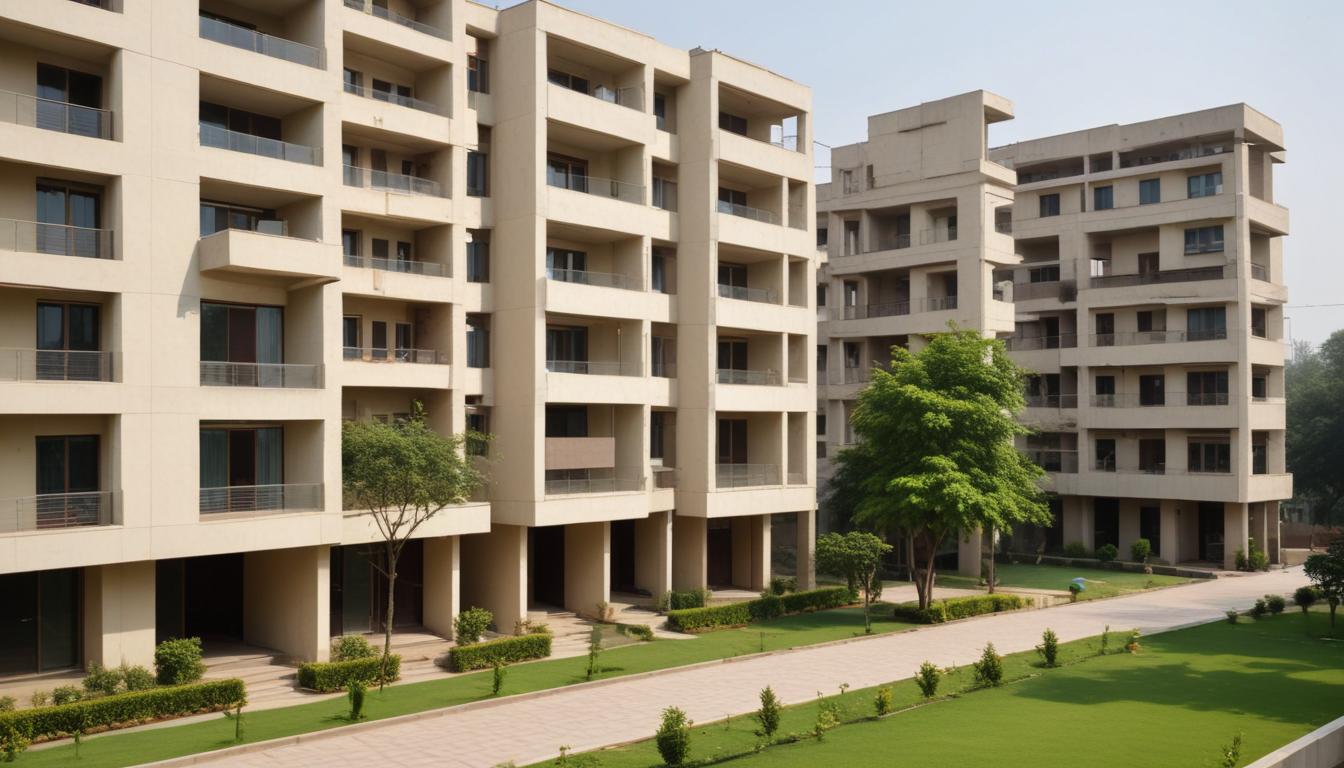
For tenants, the paradox is equally stark. New residential projects along the Metro corridors—particularly near the proposed extensions in Dwarka and enhanced connectivity zones—are opening in Gurugram and Noida at competitive prices, luring renters away from central Delhi. Yet these developments, while abundant, remain beyond reach for middle-income earners. A one-bedroom apartment in a new DLF development or comparable projects in the NCR typically commands ₹18,000 to ₹22,000 monthly, a 25 to 30 percent premium over five-year-old properties in similar micro-markets.
Recent approvals for large-scale residential townships across the periphery have inadvertently created a two-tier rental ecosystem. Landlords in established areas like Lajpat Nagar, Kalkaji, and Malviya Nagar face tenant flight to newer, better-amenitised properties in the outer ring, forcing rental concessions they can ill afford given static property valuations. Conversely, landlords with units in new projects struggle to fill inventory as migration patterns shift again toward metro-connected neighbourhoods, contradicting initial demand projections.
Industry observers attribute this disconnect to approval delays at civic and regulatory levels. Many recent projects have faced extended clearances, creating supply lags that distort market pricing. When apartments finally hit the market, they often price above inflation expectations, deterring the very tenant base they were designed to serve.
The upshot: Delhi's rental crisis persists despite construction activity at record levels. Landlords holding older properties witness yield compression, while tenants navigate a fragmented market where new supply fails to translate into affordability. Until regulatory approval cycles accelerate and rental demand aligns with new construction locations, both stakeholders will continue navigating a market in structural flux rather than equilibrium.
This article was compiled by AI from the sources linked above and screened before publishing. See our editorial standards.