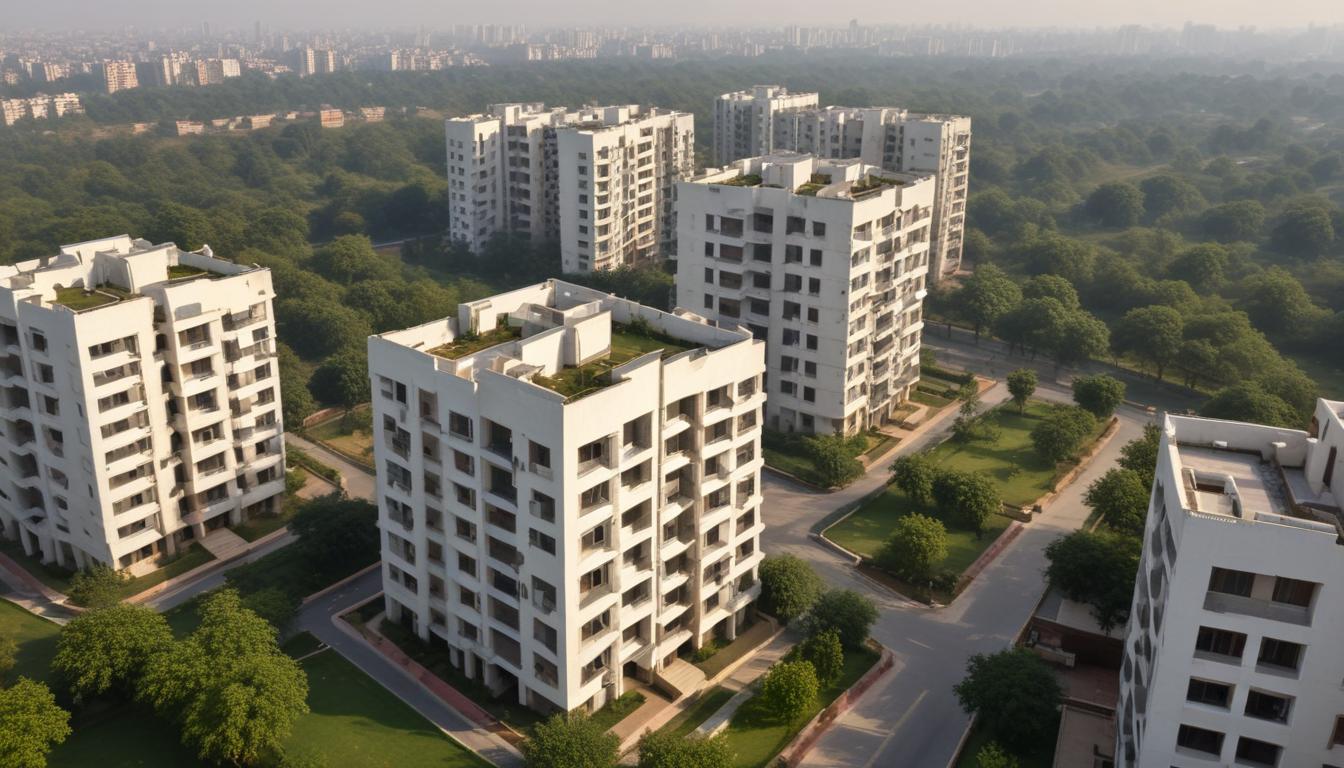
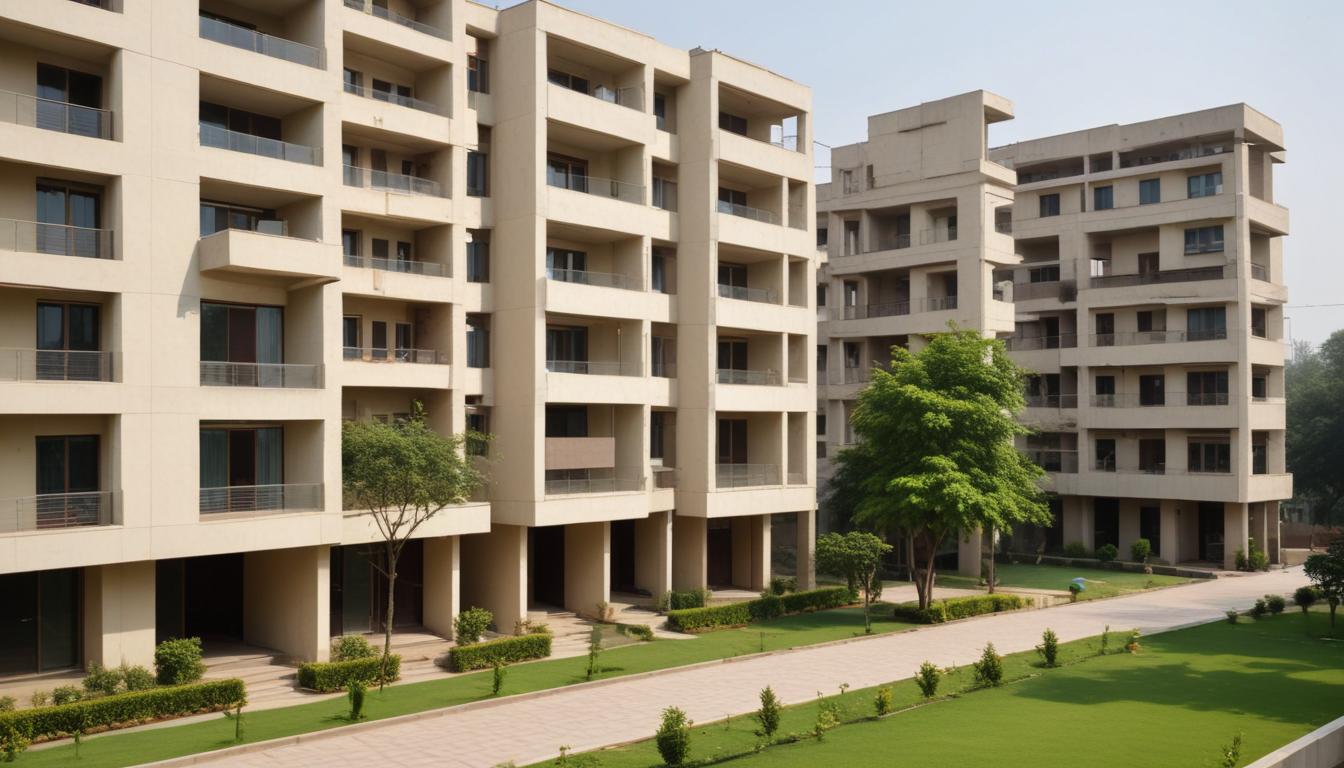
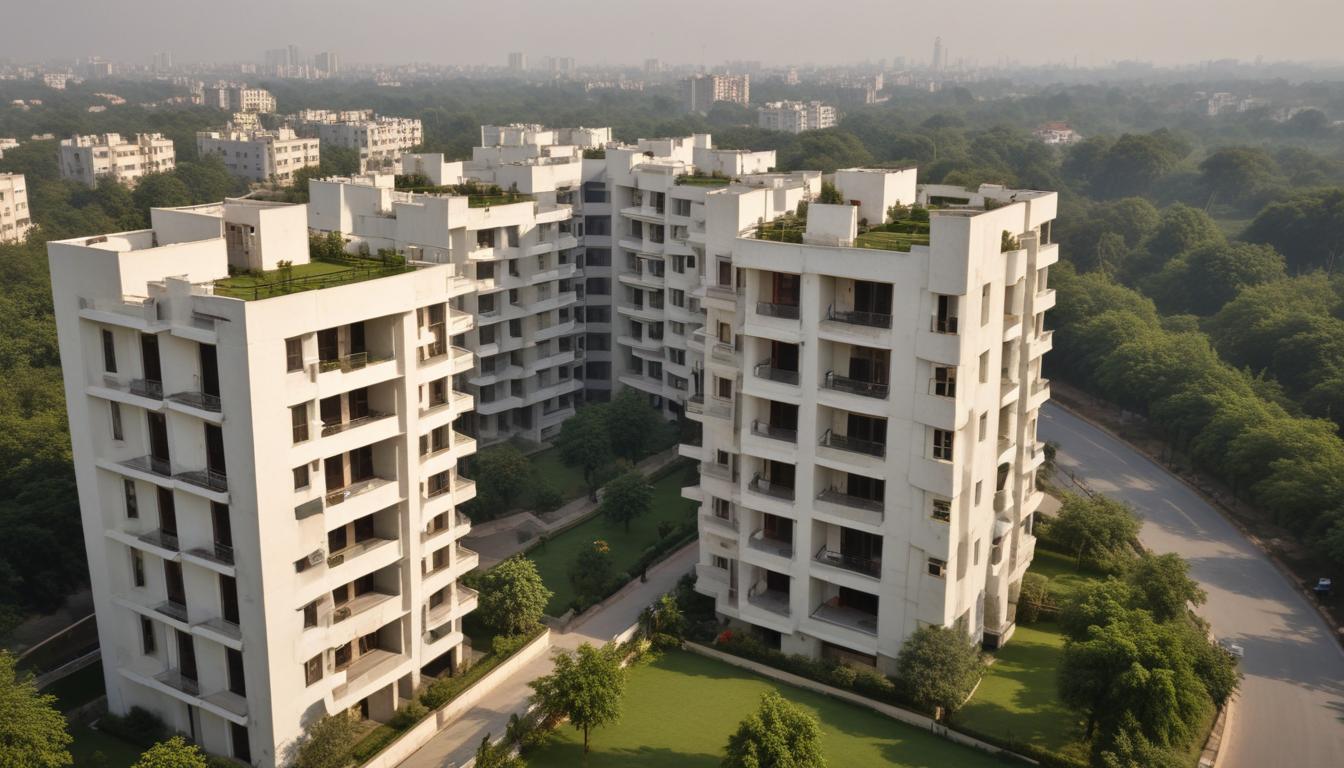
Delhi's real estate investment thesis is shifting. After two years of regulatory tightening and approval delays, the municipal and state authorities have unlocked a fresh wave of construction permits across premium and mid-premium zones. For investors watching the market, the numbers now tell a compelling story about timing and location-based returns.
The most striking trend is playing out in South Delhi's established corridors. Properties in sectors like Greater Kailash, Defence Colony, and along the Mehrauli-Gurgaon Road have historically commanded INR 12,000–16,000 per square foot at the premium end. But newly approved mixed-use developments—particularly those incorporating metro-adjacent land near Hauz Khas and IIT Delhi—are attracting significant buyer interest. Early investors in similar 2024 launches have seen 18–22 percent appreciation within 18 months, a sharp departure from the 6–8 percent annual returns typical of resale markets.
The NCR shift is equally telling. Gurgaon's Golf Course Extension Road and Sector 65 now host three major new approvals, pushing baseline prices from INR 7,500 per sqft to INR 9,200 in under two years. Noida's tech corridor around Sector 62 has attracted institutional investment backing, with yield expectations rising to 12–15 percent annually. DLF's latest Gurugram township project, approved in Q1 2026, sold pre-launch units at INR 8,800 per sqft—already outpacing comparable ready inventory by 8 percent within weeks.
What's driving these returns? Regulatory approval speed has accelerated. The Delhi Development Authority and NCRPB have streamlined clearances for projects meeting new green-building mandates, cutting timeline uncertainty that previously deterred investors. Second, metro corridor expansion—particularly the Blue Line extension to Dwarka and Violet Line completion—has created rental-yield arbitrage. Purpose-built residential units near these stations are capturing both owner-occupancy demand and institutional rental yields of 4–5 percent annually, a jump from 2.5–3 percent five years ago.
The data carries caveats. Micro-location matters intensely. Projects along established arterial roads like Rajpath or near commercial hubs command premiums; peripheral approvals in outer Delhi show slower appreciation. Additionally, rising interest rates have compressed affordability, pushing investors toward the INR 75–125 lakh segment rather than ultra-luxury.
For seasoned investors, the lesson is clear: approvals are a leading indicator, not a guarantee. But in Delhi's current cycle—with construction velocity rising and metro-linked premiums accelerating—early entrants into newly approved projects are capturing returns that resale markets simply cannot match. The numbers speak louder than sentiment.
This article was compiled by AI from the sources linked above and screened before publishing. See our editorial standards.