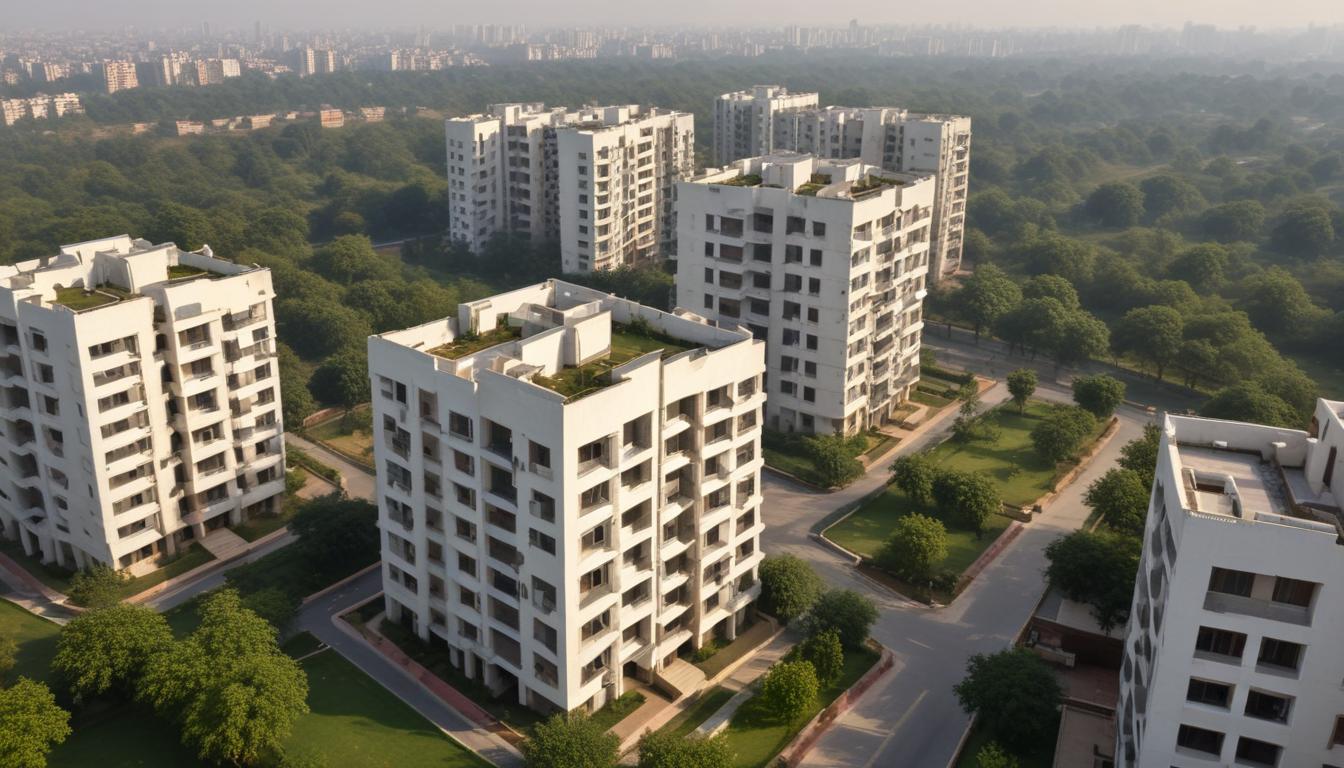
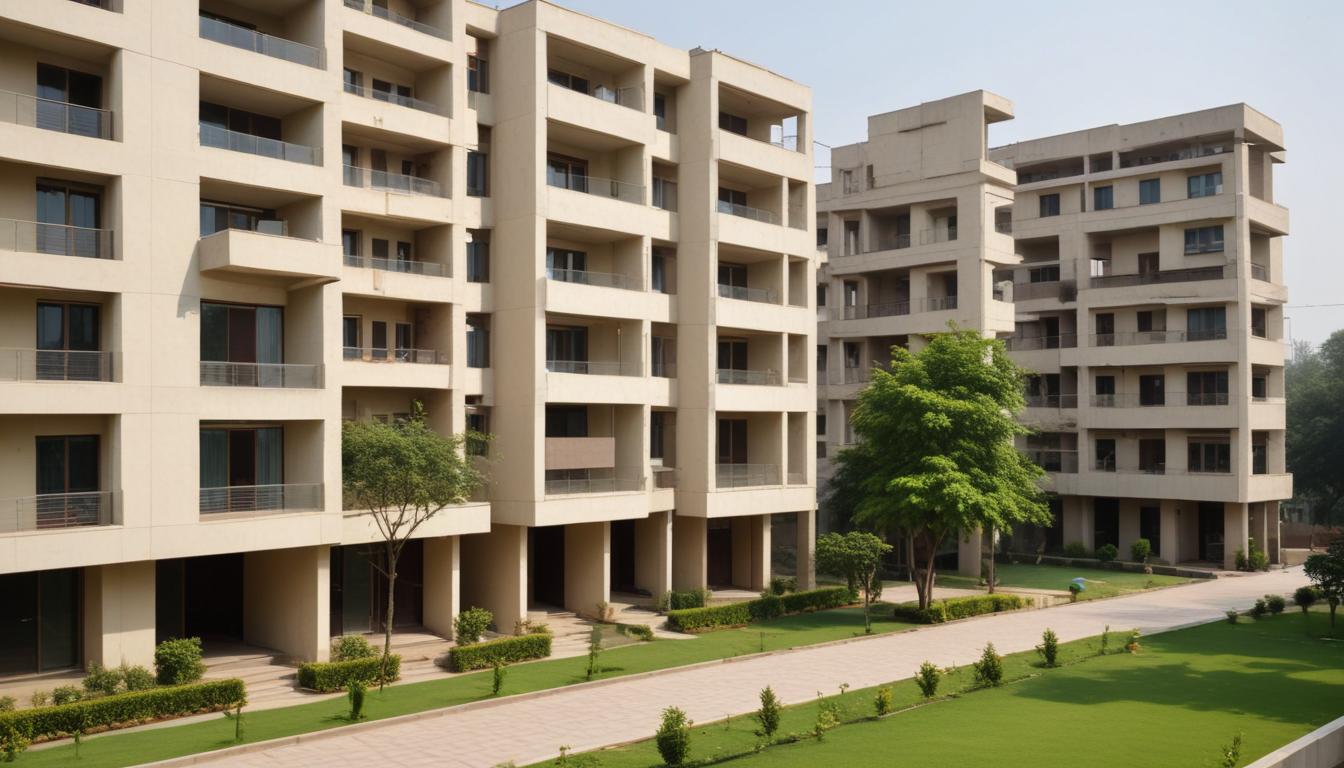
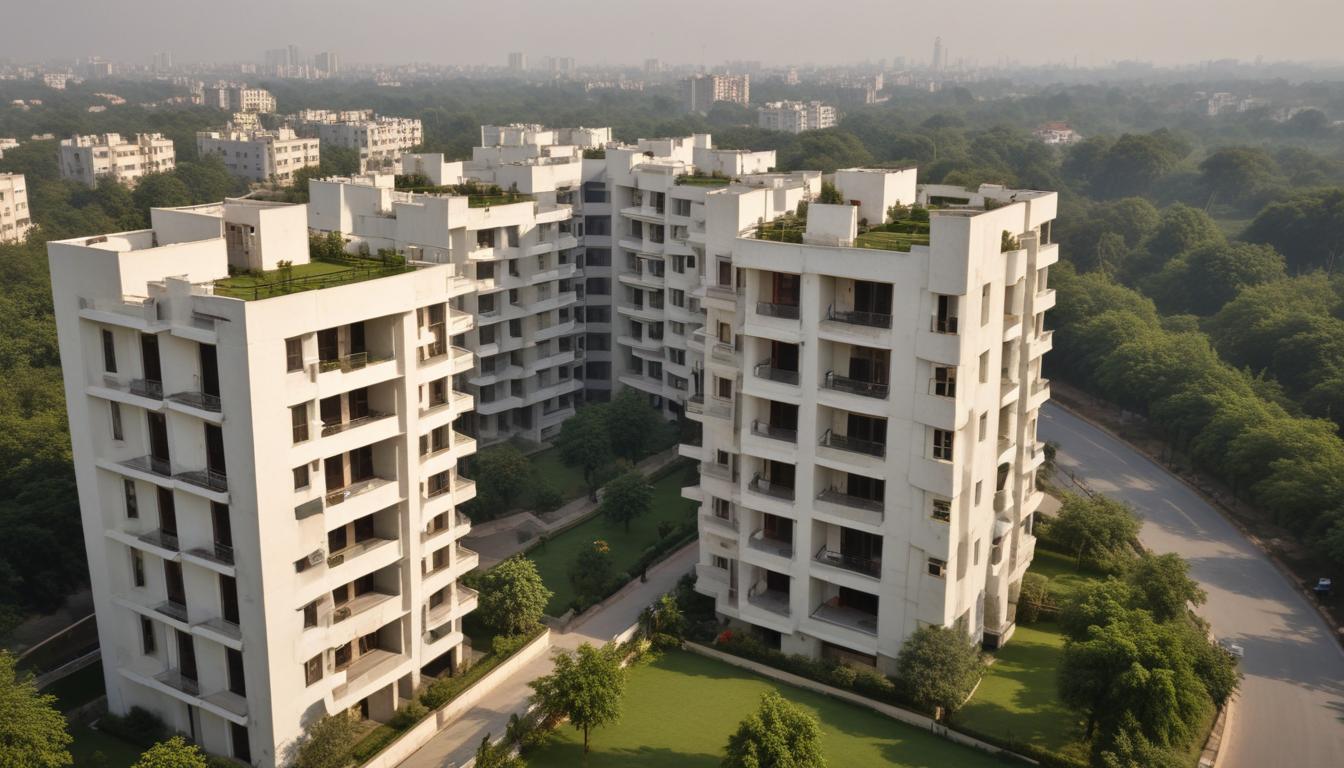
Delhi's first-time buyer grants have unlocked nearly ₹2,400 crore in residential transactions over the past 18 months, yet investor data suggests returns remain compressed compared to pre-2023 cycles. The numbers paint a picture of accessibility—not windfall gains.
Under the revised PMAY-U (Pradhan Mantri Awas Yojana Urban) framework and state-backed subsidy schemes, first-time buyers in Dwarka, Greater Noida, and East Delhi corridors have accessed down-payment assistance ranging from ₹5 to ₹15 lakh. Entry-level flats near Vaishali Metro Station in Ghaziabad now move at ₹42–48 lakh, compared to ₹38 lakh three years ago—a 12–15% appreciation that barely outpaces inflation when factoring holding costs and registration.
Real estate analysts tracking micro-markets show divergent yields. South Delhi properties—traditionally investor favourites—are yielding gross rental returns of 2.8–3.2% annually on ₹80,000+ per sqft valuations. By contrast, grant-eligible zones in Noida's Sector 62 and Gurugram's affordable corridors deliver 4.1–4.8% yields, though with longer vacancy cycles and tenant-quality variability. A ₹50 lakh property appreciating at 6% annually with 4.5% rental yield nets roughly ₹6,000 monthly rent against ₹30,000 annual appreciation—modest when set against maintenance, tax, and opportunity costs.
Finance Ministry data released in April shows subsidy uptake peaked at 34,200 units nationally in FY2025-26, yet Delhi-NCR absorbed only 18% of that figure. Absorption rates suggest saturation in prime grant-eligible zones: Rohini, Narela, and New Ashok Nagar inventory sits 16–22 months beyond typical clearance timelines. Lenders report that grant recipients—typically earning ₹4–6 lakh annually—struggle to absorb rate hikes; default rates on subsidised home loans ticked up 0.7% in Q1 2026.
For buyer-investors, the calculus has shifted. A couple purchasing near Sector 8, Dwarka at ₹48 lakh with ₹10 lakh subsidy nets a ₹38 lakh actual outlay. Over seven years, assuming 5% annual appreciation and 4.2% rental yield, the property reaches ₹54.5 lakh (₹16.5 lakh gain) while generating ₹26,000 annually in rent. Net absolute return: modest, but capital preservation in a volatile rate environment.
The takeaway: grants democratise access, not returns. First-time buyers entering via subsidy schemes should prioritise metro-adjacent micro-markets—Dwarka Mor, Noida City Centre, Gurugram's Sohna Road—where liquidity and tenant demand offset yield compression. Investor returns remain tied to location patience and holding capacity, not grant size.
This article was compiled by AI from the sources linked above and screened before publishing. See our editorial standards.