Delhi's Luxury Market Delivers: What Real Investor Returns Reveal About High-End Properties
As premium residential projects in South Delhi and the NCR corridor mature, data shows whether ultra-luxury purchases are living up to their promises.
As premium residential projects in South Delhi and the NCR corridor mature, data shows whether ultra-luxury purchases are living up to their promises.
The Delhi luxury property market is no longer a speculative playground. After years of aggressive marketing and celebrity endorsements, investors who locked capital into high-end residential projects between 2019 and 2022 now have concrete numbers to evaluate—and the story is decidedly mixed.
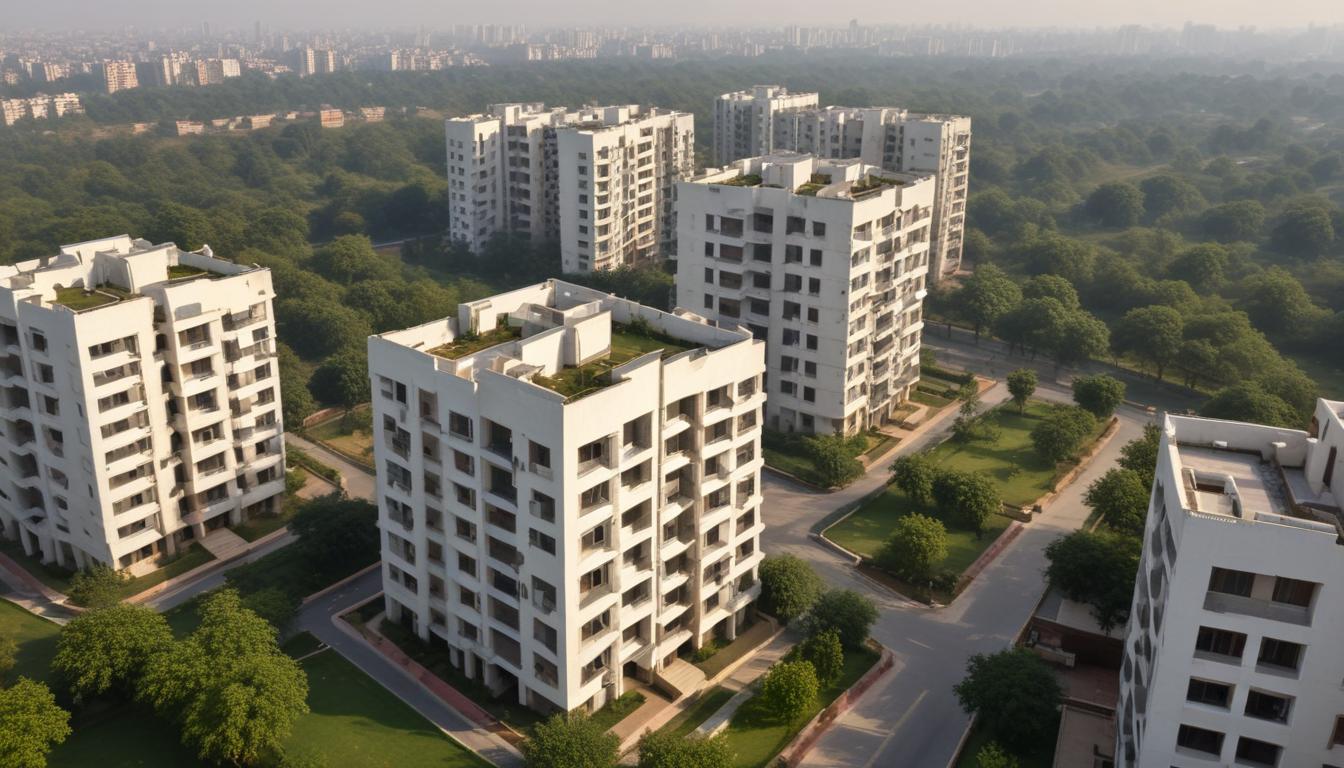
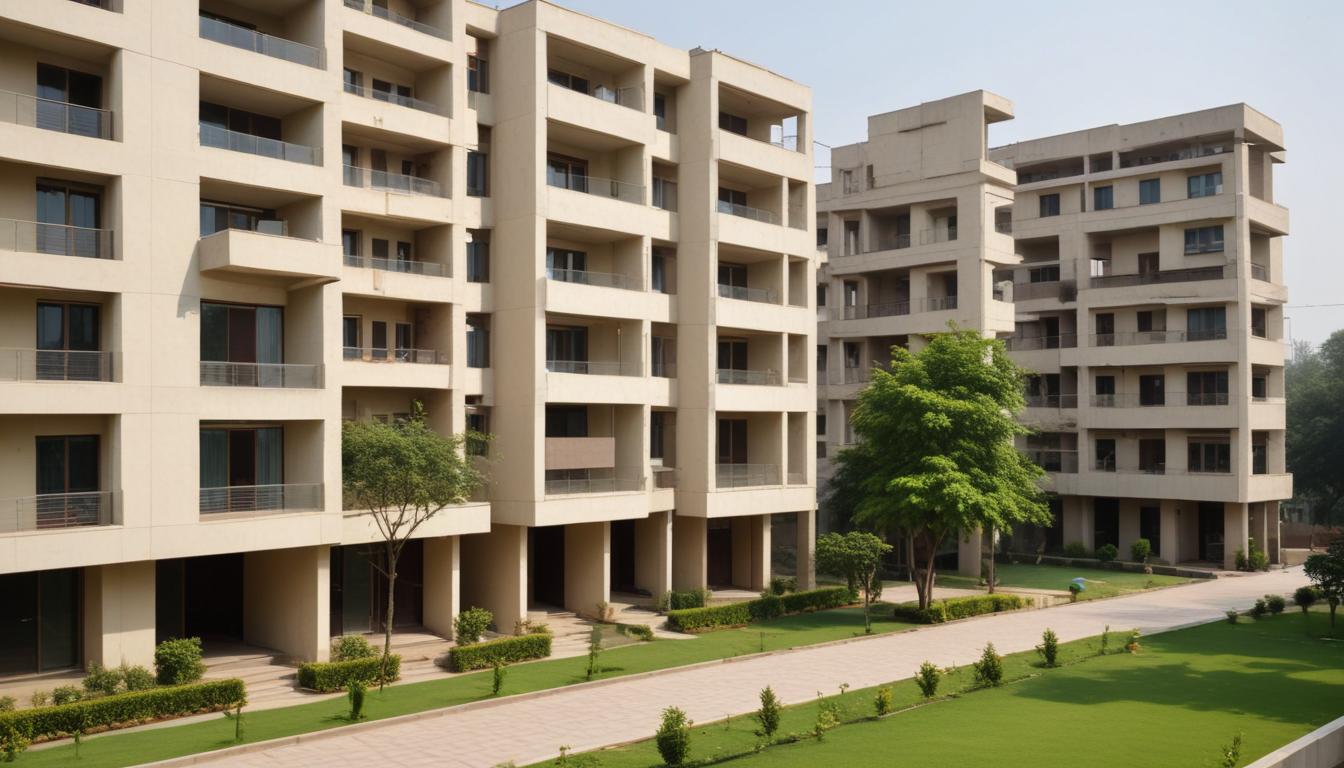
South Delhi's most coveted addresses tell the tale. Premium localities like Golf Links, Friends Colony, and Greater Kailash command average valuations around INR 15,000–22,000 per square foot today, a significant climb from the INR 8,000–12,000 baseline that defined the broader Delhi market six years ago. Investors who purchased 3 BHK apartments in DLF's boutique South Delhi developments during the 2020-21 window have seen annualised returns hovering between 8–12 percent—respectable, though hardly spectacular given the capital tied up.
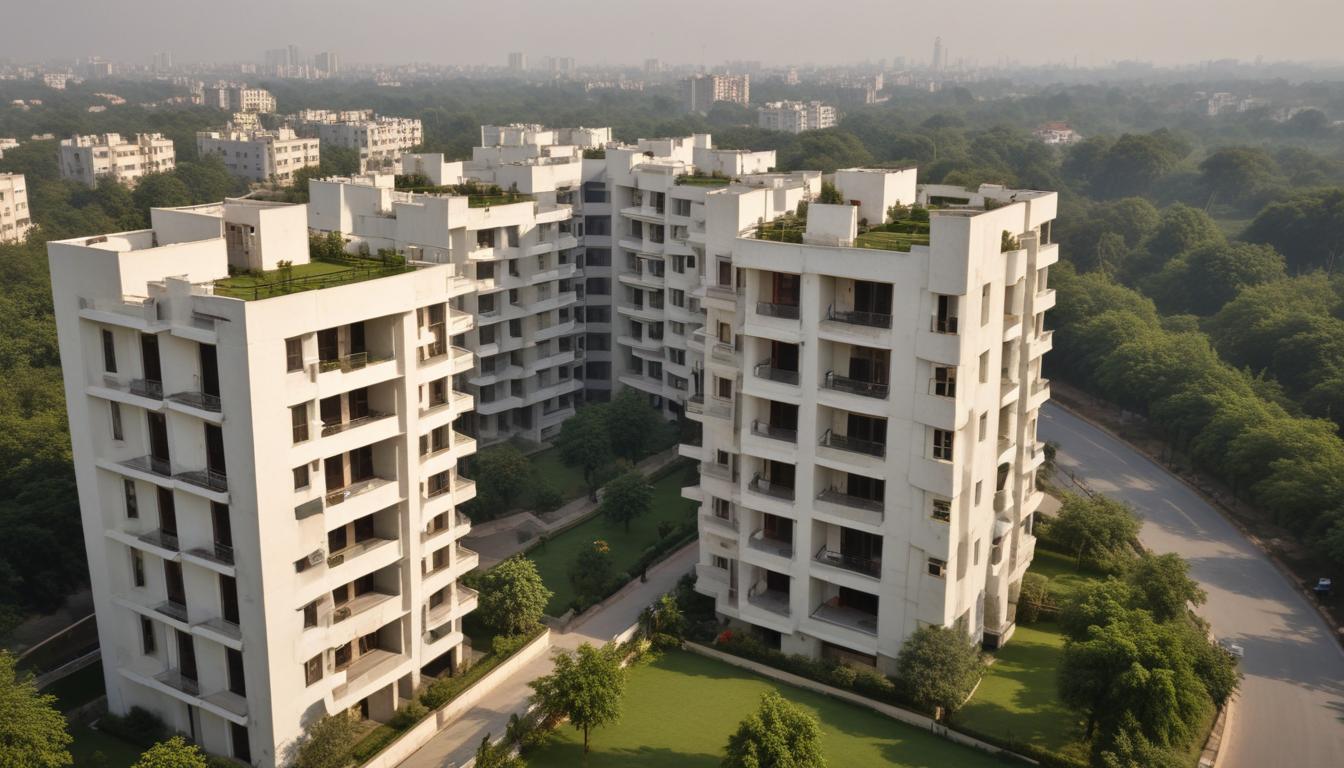
The NCR corridor tells a different story. Properties in central Gurgaon's golf course-adjacent developments and Noida's premium high-rise clusters have delivered stronger yields. Investors in ready-to-occupy luxury units near the metro corridors—particularly the Rapid Metro-adjacent projects in Gurugram—have realised 14–18 percent compound annual growth, buoyed by strong rental demand from multinational corporate tenants. A 4 BHK penthouse acquired at INR 3.5 crore in 2021 now commands rental yields of 2.8–3.2 percent annually, placing gross returns at competitive levels.
However, the data reveals a critical variable: exit velocity. Luxury properties in South Delhi, despite price appreciation, face longer holding periods. Market absorption remains sluggish for units priced above INR 5 crore, with transaction cycles extending 18–24 months. Gurgaon luxury apartments, by contrast, show brisk liquidity—a factor institutional investors increasingly factor into their calculus.
What's driving the divergence? Supply-side discipline in South Delhi, combined with restrictive zoning, has created scarcity value. The NCR corridor's newer supply from developers like DLF, Godrej, and Prestige continues to attract end-users and investors seeking rental income, creating a more dynamic market. Additionally, metro connectivity premiums—particularly around the upcoming extensions—have become a measurable determinant of sustained appreciation.
The unsexy truth: luxury property investment in Delhi rewards patience and location precision over speculation. Buyers chasing ultra-premium addresses purely for capital appreciation have underperformed. Those balancing appreciation with rental income, particularly in NCR's white-collar catchment zones, have executed the trade more successfully.
As the 2026 market matures, the days of double-digit guaranteed returns appear over. The new investor playbook demands granular analysis of micro-location, end-user demand patterns, and rental potential—not glossy brochures and celebrity associations.
This article was compiled by AI from the sources linked above and screened before publishing. See our editorial standards.
How does this story make you feel?
Spread the word
About this article
Published by The Daily Delhi
Daily brief
Free, in your inbox before 7am. Weekdays.
More in Property