Dwarka's Digital Dream: Why Savvy Investors Are Chasing Yields in Delhi's Emerging Tech Hub
As metro connectivity and IT employment reshape West Delhi, Dwarka is quietly outpacing South Delhi's rental returns—and landlords are taking notice.
As metro connectivity and IT employment reshape West Delhi, Dwarka is quietly outpacing South Delhi's rental returns—and landlords are taking notice.
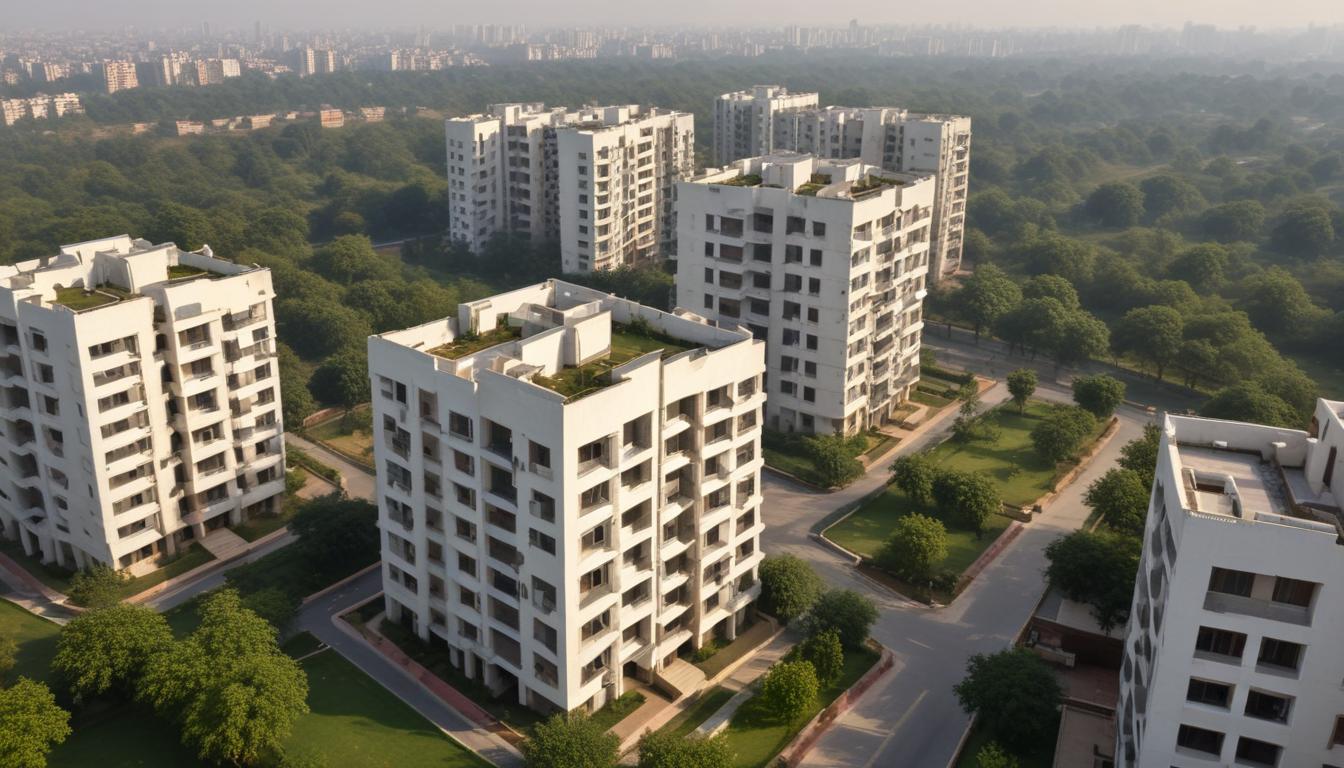
Five years ago, Dwarka was synonymous with affordable family housing and long commutes. Today, it's emerging as Delhi's most undervalued investment neighbourhood, delivering rental yields that make traditional South Delhi portfolios look sluggish.
The shift is driven by infrastructure maturity and employment clustering. The metro's Blue Line extension now connects Dwarka directly to Gurugram's IT corridor, slashing commute times. Simultaneously, tech companies and business process outsourcing firms have anchored operations in nearby Udyog Vihar and Manesar, funnelling a young, transient workforce into rental-hungry catchments like Dwarka Sector 7, Sector 9, and the emerging Sector 12 precincts.
The numbers tell the story. A 2-bedroom apartment in Dwarka Sector 8 averages ₹55–65 lakh—roughly 40% below comparable South Delhi properties in Hauz Khas or Malviya Nagar. Yet gross rental yields hover around 4–4.5% annually, compared to 2.8–3.2% in premium zones. A ₹60 lakh investment here generates ₹2,400–2,700 monthly rental income; the same capital in South Delhi would yield ₹1,680–1,920.
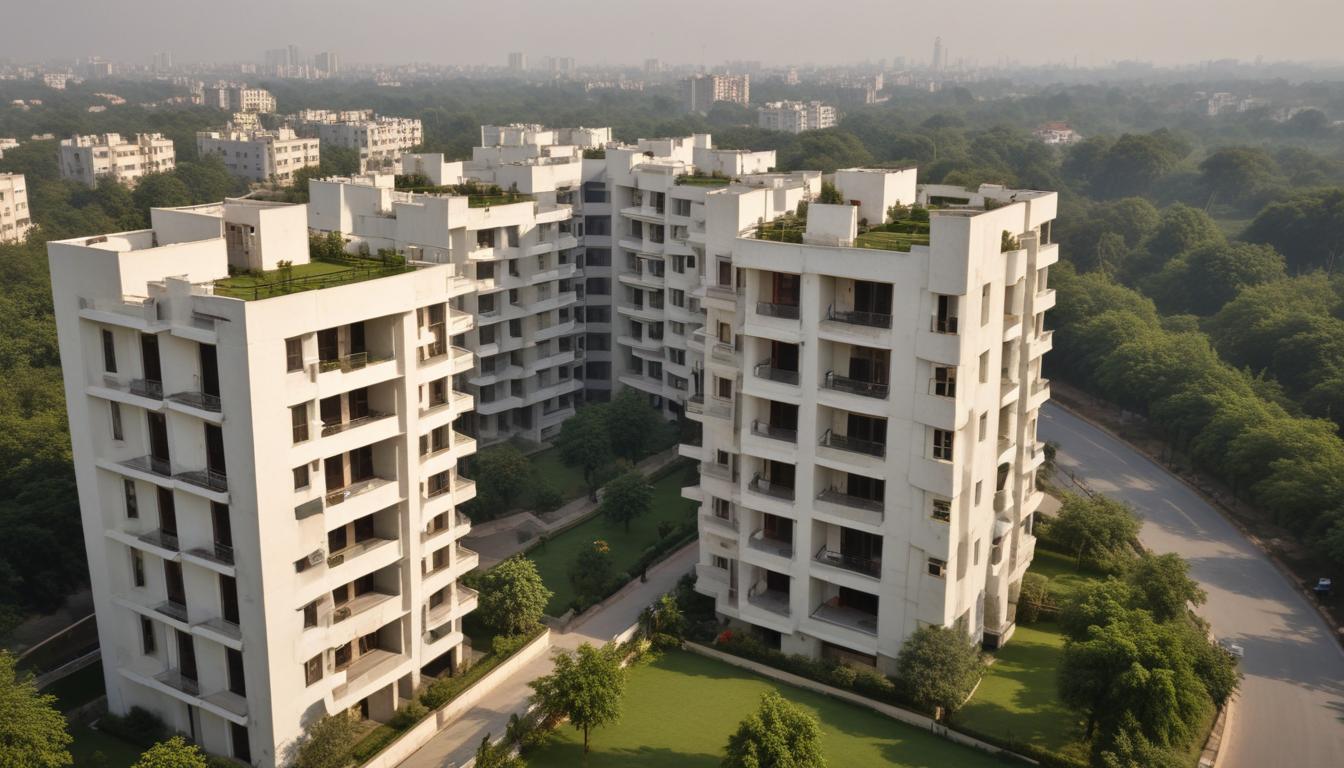
Smart landlords are capturing this arbitrage. Sector 7, anchored by Dwarka Metro Station and the adjacent commercial hub, commands premium rentals (₹18,000–22,000 for 2BHK) due to tenant density and workplace proximity. Sector 12, still consolidating, offers entry-level properties at ₹50–55 lakh with growth potential as infrastructure matures.
However, yields demand discipline. Vacancy risk is real; oversupply in Sectors 5 and 6 has depressed rents. Savvy investors are targeting sectors with mixed-use development—commercial ground floors supporting residential towers reduce tenant churn and stabilise income. Properties within 800 metres of Dwarka Expressway or future rapid transit corridors command premiums.
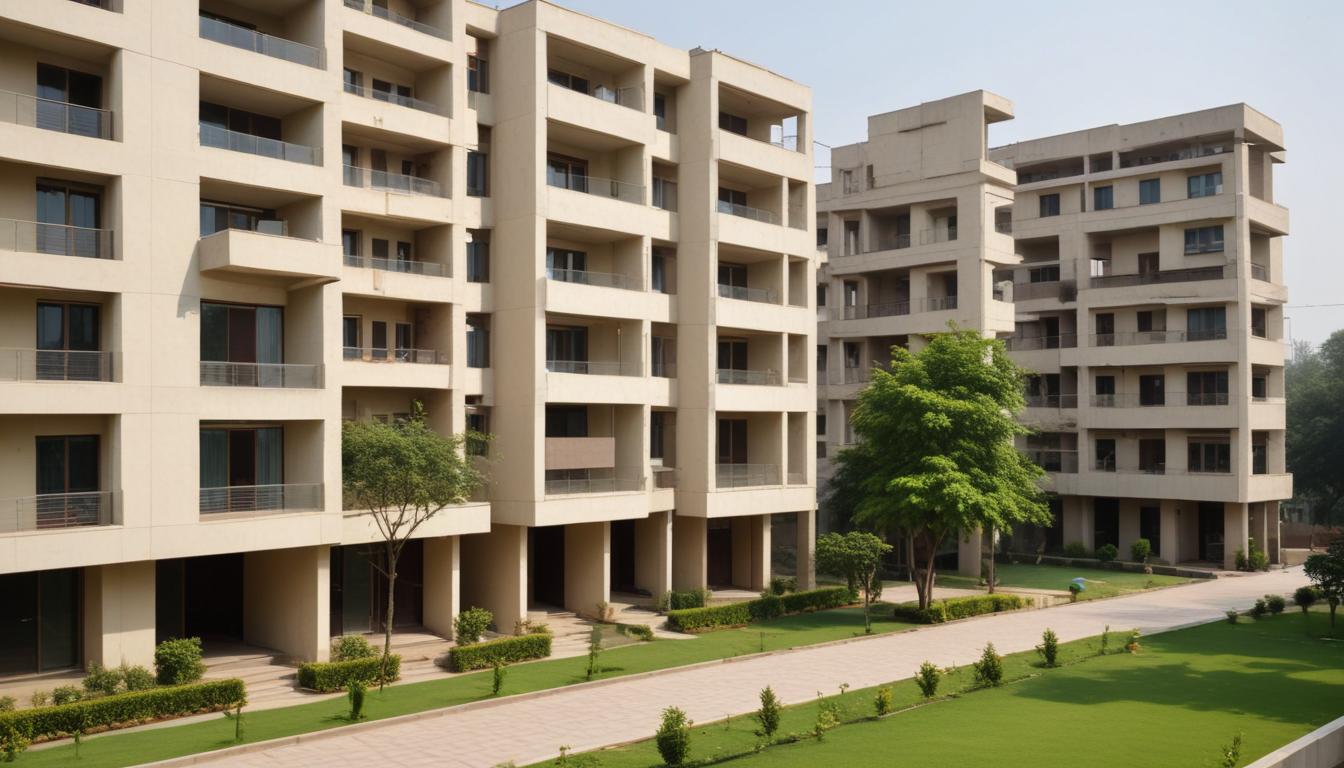
Maintenance and tenant management, often underestimated, determine net returns. Dwarka's newer construction and active resident associations (many professionally managed) mean lower friction compared to older South Delhi properties. Many developments feature built-in commercial spaces, reducing landlord burden.
The Dwarka story isn't about speculation; it's about demographic realism. Delhi's tech workforce is expanding, commute costs are painful, and Dwarka offers the holy trinity: affordability, connectivity, and employment proximity. As metro phases complete and IT clusters consolidate, rental demand will likely tighten further.
For yield-focused investors, South Delhi's prestige may glimmer brighter—but Dwarka's cash flow is speaking louder.
This article was compiled by AI from the sources linked above and screened before publishing. See our editorial standards.
How does this story make you feel?
Spread the word
About this article
Published by The Daily Delhi
Daily brief
Free, in your inbox before 7am. Weekdays.
More in Property