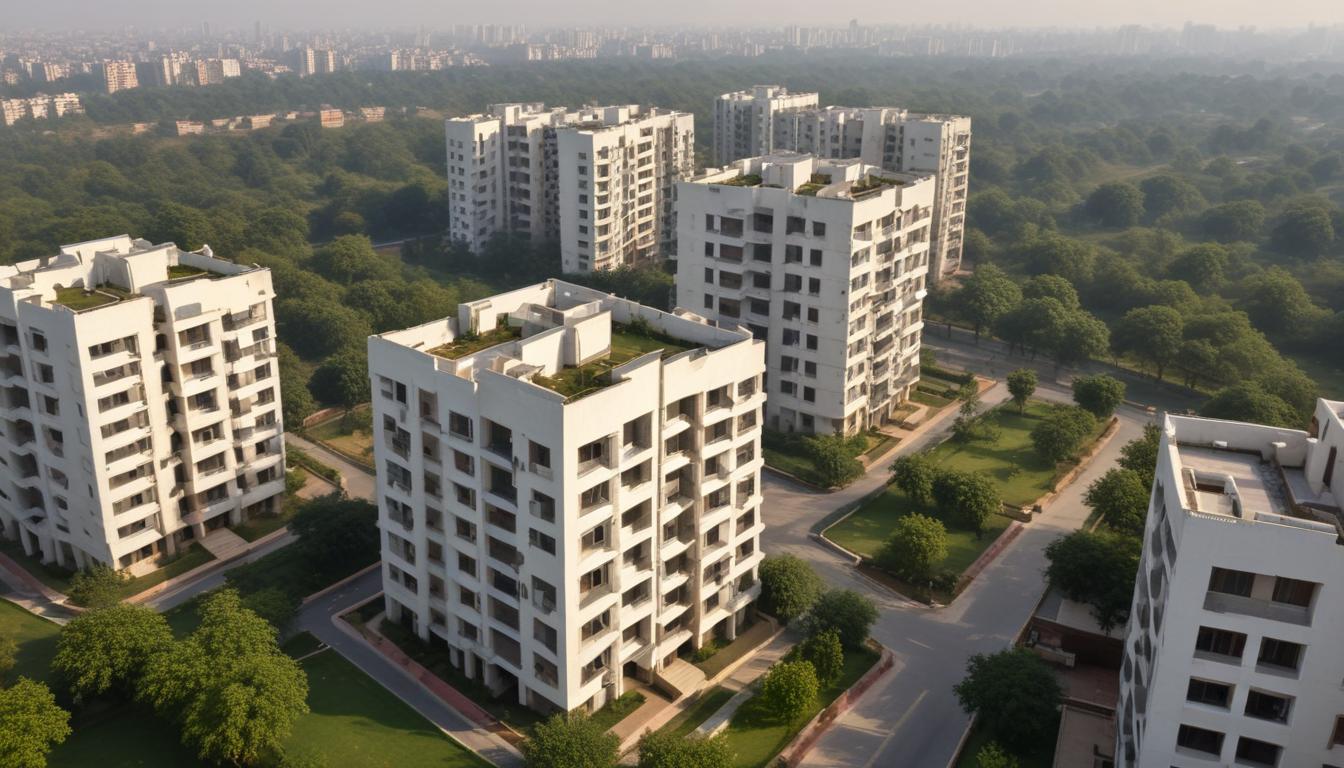
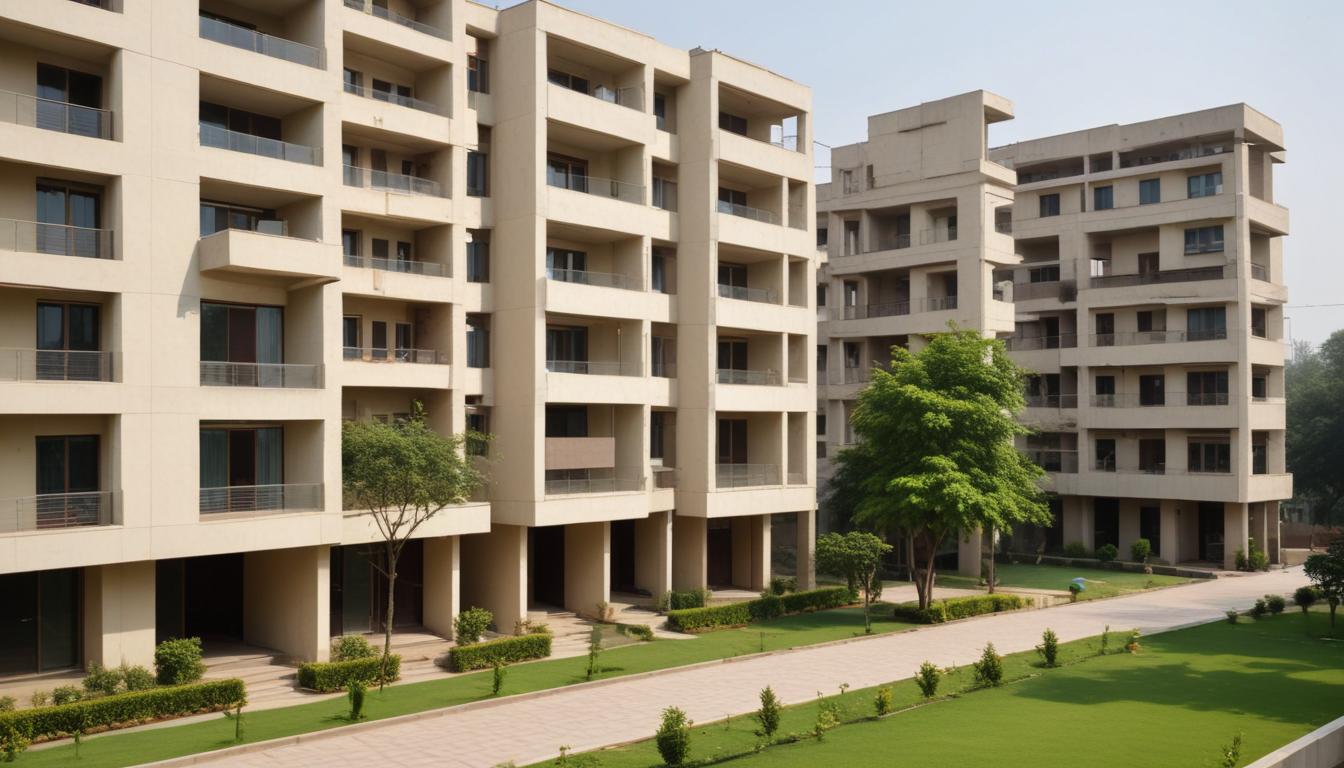
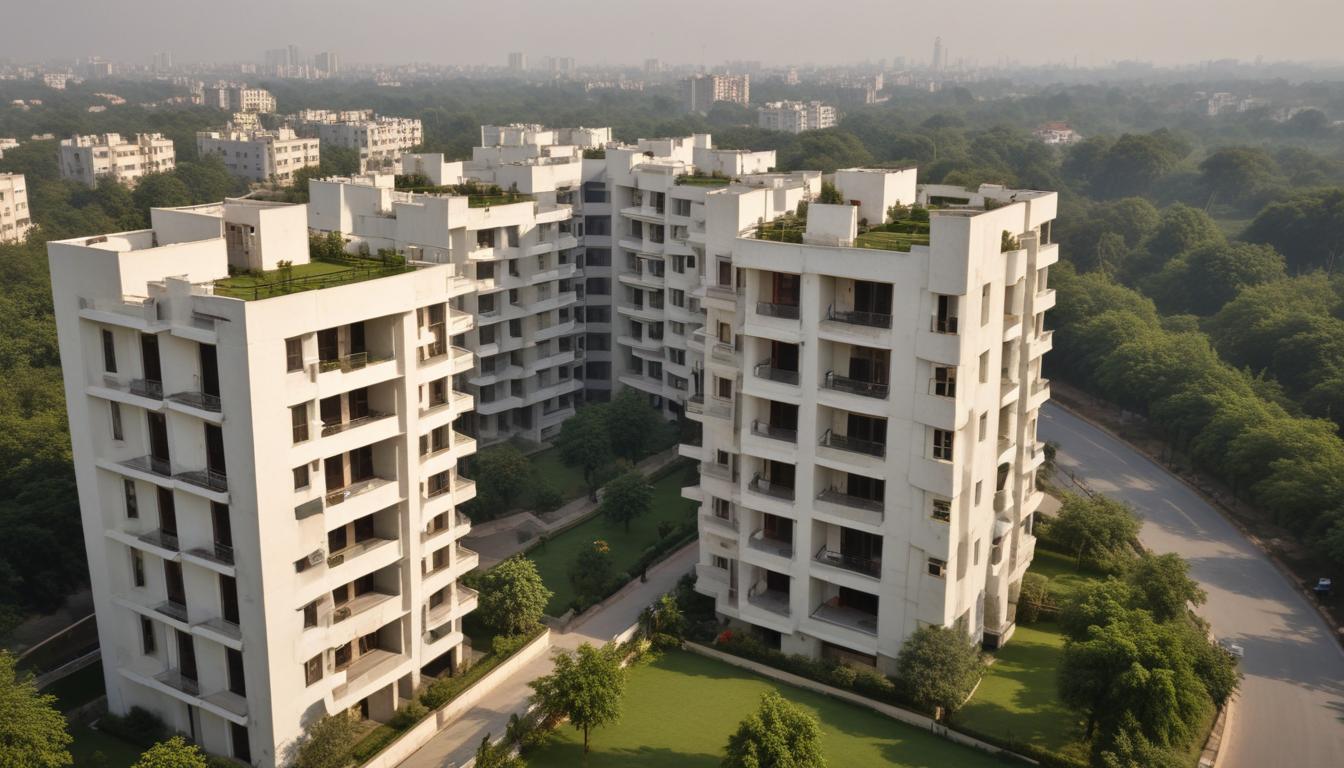
For first-time homebuyers in Delhi, the mathematics have long been brutal. With South Delhi averaging ₹8,000 per square foot and premium localities climbing higher, the capital's entry barrier has priced out an entire generation. But a quiet shift is unfolding in Dwarka, where a convergence of improved transport links, government incentives, and genuine affordability is remaking the neighbourhood's investment credentials.
Dwarka's transformation accelerated following the extension of the metro's Blue Line to sectors 18 and 21, collapsing commute times to central Delhi from 90 minutes to under 35. Property rates, currently hovering between ₹4,500 and ₹6,000 per square foot depending on proximity to metro stations, remain a fraction of established colonies. A 2-bedroom apartment near Dwarka Mor, one of the locality's primary commercial hubs, now trades at ₹45–65 lakhs—precisely where government grant schemes and first-home buyer finance products converge effectively.
The Pradhan Mantri Awas Yojana and Delhi's own affordable housing initiatives have specifically targeted satellite clusters like Dwarka, offering subsidised loans and interest rate rebates for qualifying buyers. Banks including HDFC, ICICI, and axis have expanded first-home buyer products with loan-to-value ratios climbing to 90 per cent—critical for applicants stretched across down payments. Combined with stamp duty concessions available on properties under ₹1 crore in Delhi, the effective cost of ownership has shifted measurably.
What separates Dwarka from other NCR growth zones like Noida or Gurgaon is its municipal infrastructure maturity. The neighbourhood already supports schools, hospitals, and retail clusters. The Dwarka Sector 7 Bus Terminal connects to a sprawling network, while Khan Market's equivalent—the Dwarka Sector 8 Commercial Complex—has cemented the area as a genuine residential destination rather than a speculative outpost.
Data from property registrations suggests first-time buyers now comprise 58 per cent of Dwarka transactions, against a Delhi average closer to 42 per cent. Rental yields, typically 2.5–3 per cent across central Delhi, climb to 3.5–4 per cent in peripheral sectors, making investment more tractable for those juggling mortgage payments with rental income.
For the typical Delhi buyer aged 28–35 earning ₹8–15 lakhs annually, Dwarka no longer represents compromise. It represents mathematics that actually work. As rates remain flat and metro corridors deepen, the neighbourhood's transformation from dormitory suburb to genuine investment hotspot looks less cyclical positioning and more structural reset.
This article was compiled by AI from the sources linked above and screened before publishing. See our editorial standards.