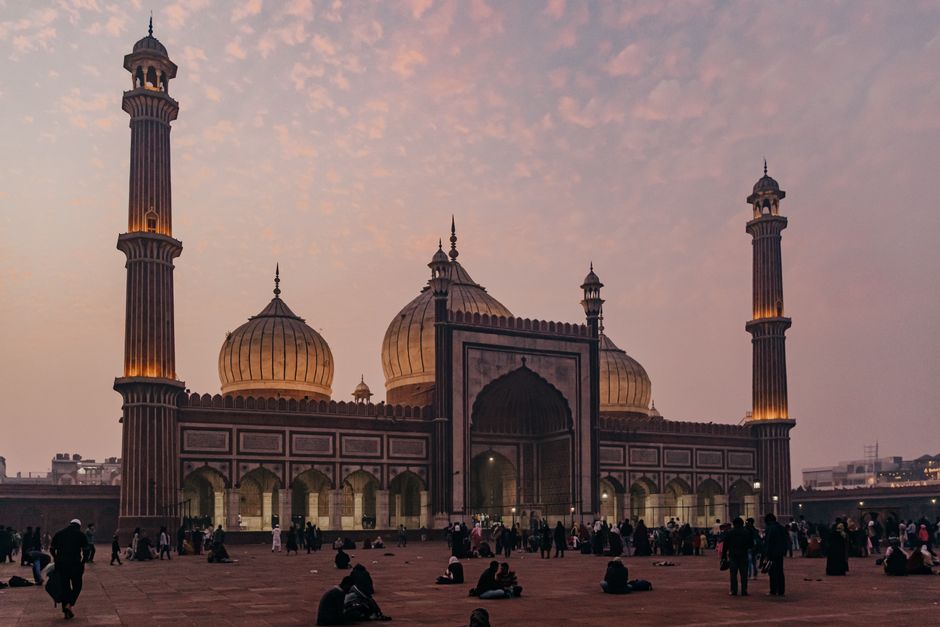
Delhi's Next Wave: How New Development Projects Are Reshaping Neighbourhood Character
From metro corridor expansions to mixed-use complexes, fresh approvals in South Delhi and NCR are driving both opportunity and transformation.
From metro corridor expansions to mixed-use complexes, fresh approvals in South Delhi and NCR are driving both opportunity and transformation.
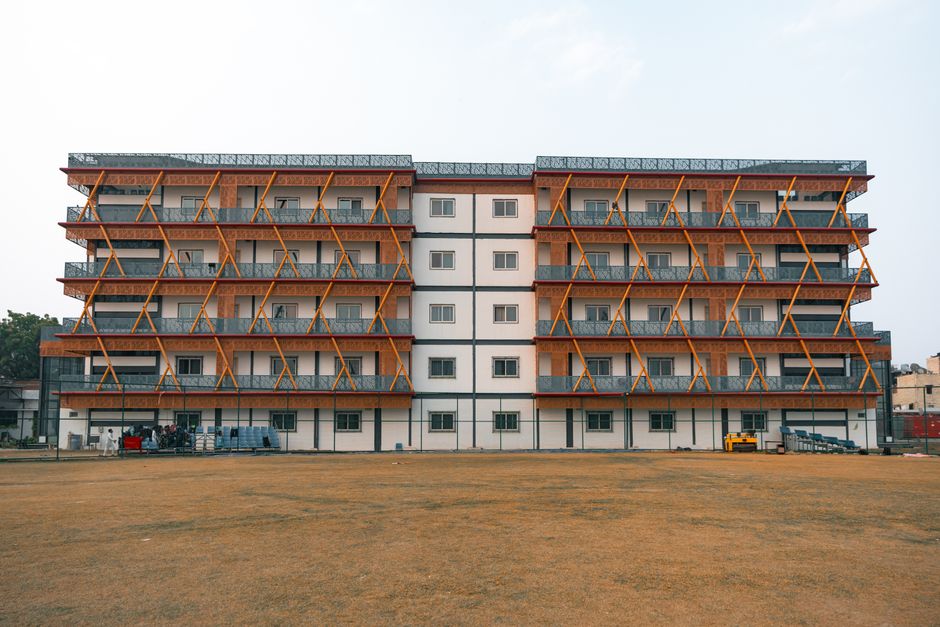
Delhi's property approval machinery has shifted into high gear. Recent clearances for major developments across South Delhi, Gurgaon, and Noida signal a significant reshaping of the city's residential and commercial landscape—one that promises to alter neighbourhood character as fundamentally as any metro line extension.
The clearest trend: mixed-use developments anchored around transit nodes. New projects along the Delhi Metro's extended corridors—particularly in areas like Vasant Kunj and the Dwarka expansion zones—are commanding premiums that reflect infrastructure-driven demand. While average Delhi property prices hover around ₹8,000 per square foot, projects within 500 metres of approved metro stations are trading at ₹11,000–₹14,000 per sqft, creating pockets of premium pricing in previously moderate neighbourhoods.
South Delhi remains the approval hotspot. Recent clearances for redevelopment projects in Defence Colony, Greater Kailash, and Malviya Nagar have triggered a flurry of activity. These aren't greenfield sites—they're densification plays, where older standalone homes are being replaced by stacked commercial-residential models. The trade-off is familiar: higher FSI (floor space index), tighter layouts, but significantly improved retail activation and street-level amenities.
The NCR story, however, is more dramatic. Gurgaon's Cyber City extension and fresh DLF approvals in Sector 85–89 are reshaping that region's identity from pure office space into mixed neighbourhoods. Similarly, Noida's Sector 150–160 approvals are attracting not just residential buyers but logistics operators and light manufacturing—diversifying what was once bedroom-community territory.
What does this mean locally? First, pricing momentum. Neighbourhoods with approved projects typically see 12–18 month lead appreciation as construction timelines crystallise. Second, infrastructure acceleration. Approved developments often trigger traffic solutions, water augmentation, and power upgrades that benefit the wider area. Third, congestion risk. Several South Delhi neighbourhoods face temporary disruption during 2–4 year construction cycles, particularly around arterial roads like Aurobindo Marg and Mother Teresa Crescent.
The regulatory story matters too. Delhi's recent push to fast-track approvals—particularly for projects meeting affordability benchmarks—has unlocked supply in mid-range segments (₹1.5–₹3 crore). This contrasts sharply with the scarcity in the premium end, where South Delhi detached homes still command ₹30,000+ per sqft.
For investors and residents, the message is dual-edged: approved projects validate neighbourhood growth but also signal transition. The areas securing approvals today will look materially different by 2030.
This article was compiled by AI from the sources linked above and screened before publishing. See our editorial standards.
How does this story make you feel?
Spread the word
About this article
Published by The Daily Delhi
Daily brief
Free, in your inbox before 7am. Weekdays.
More in Property