New Construction Boom Reshaping Delhi's Rental Landscape: Winners and Losers Emerge
As fresh residential supply floods the market from Gurgaon to Noida, tenants gain leverage while landlords face pressure to modernise or lose occupants.
As fresh residential supply floods the market from Gurgaon to Noida, tenants gain leverage while landlords face pressure to modernise or lose occupants.
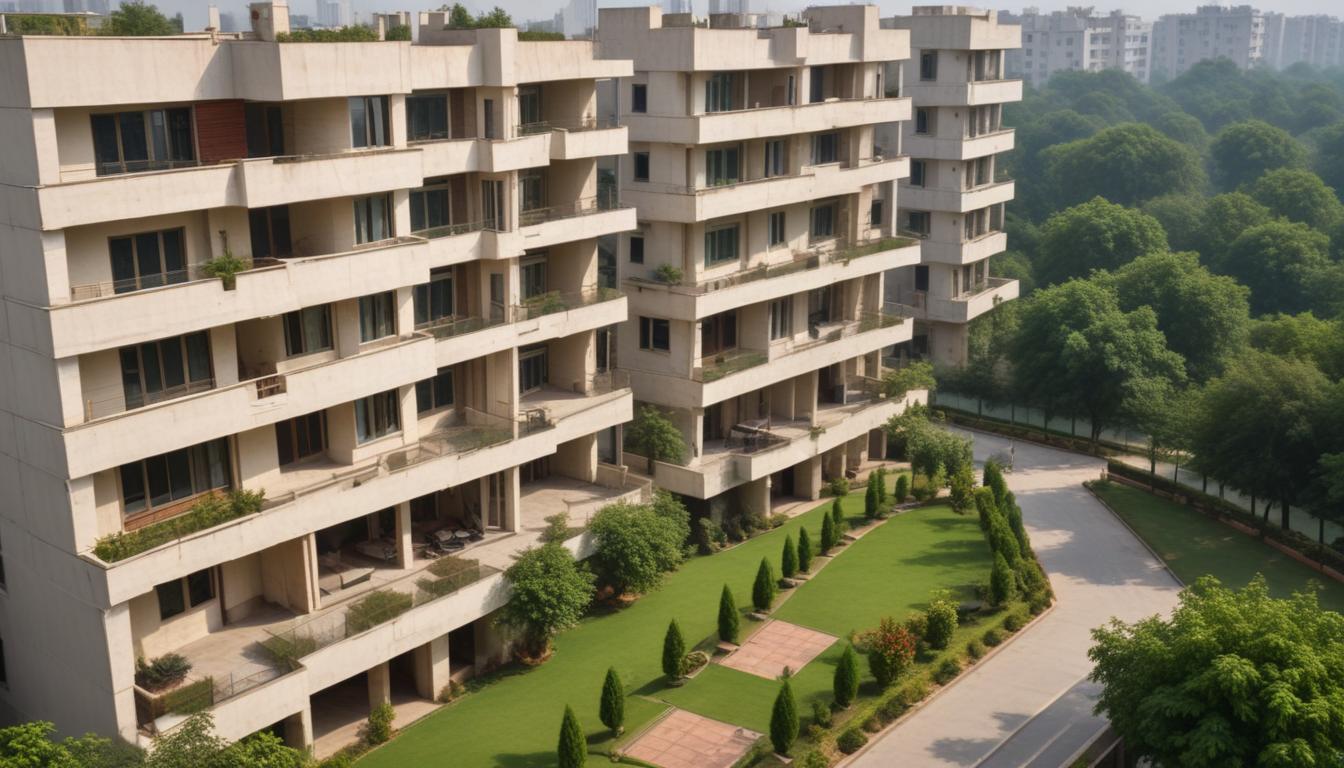
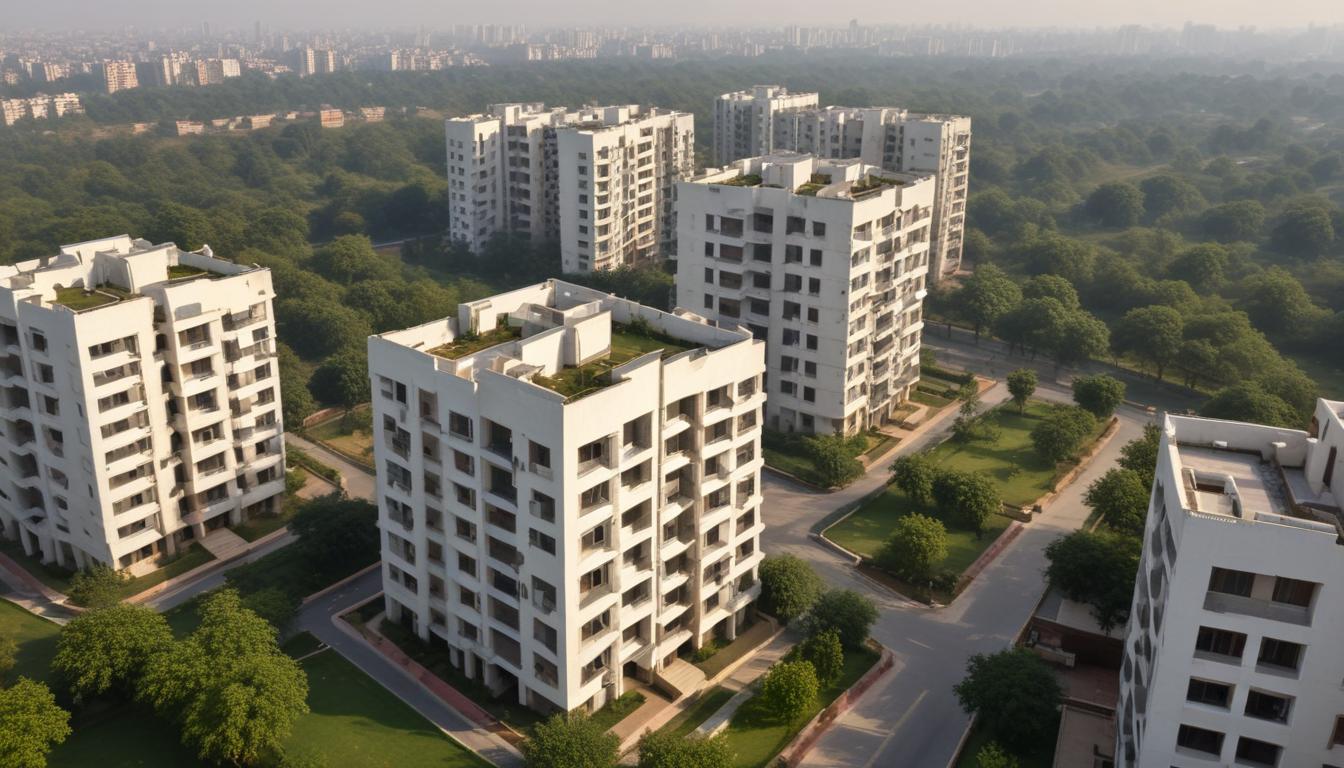
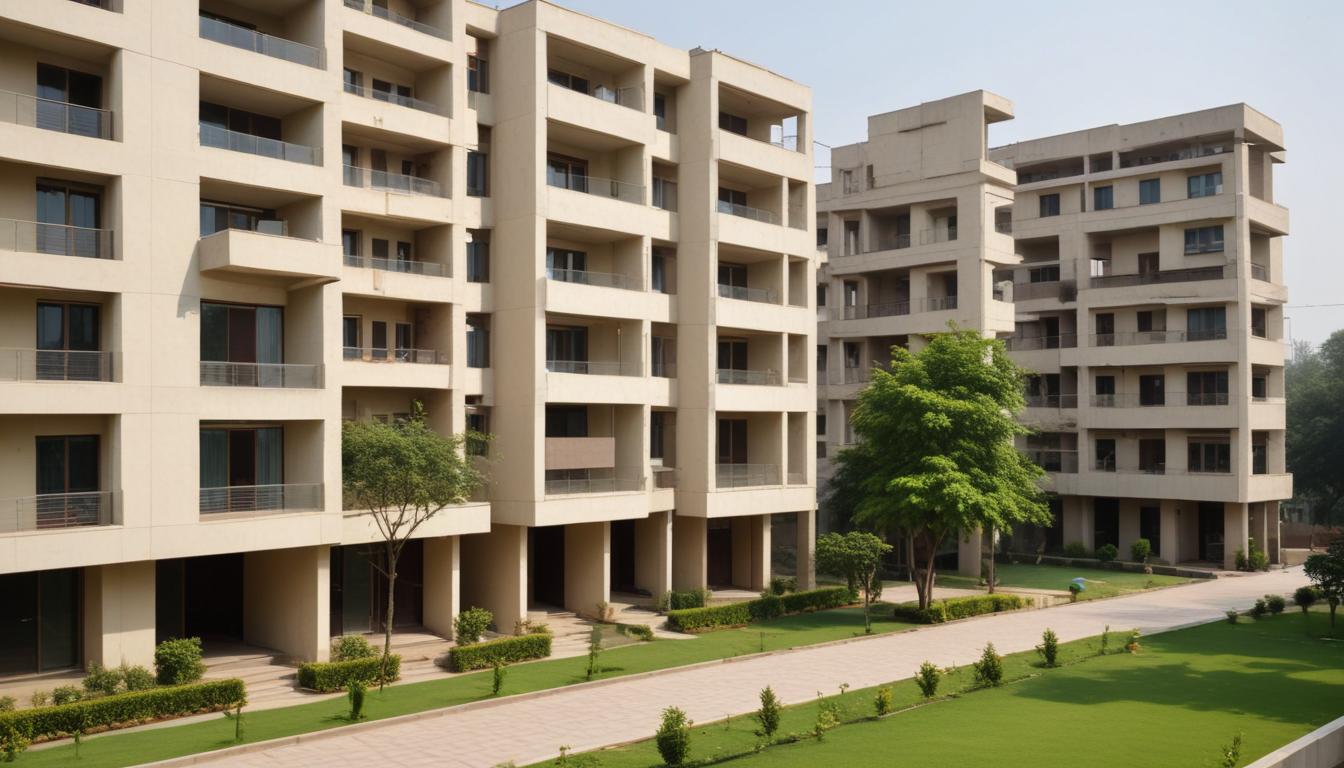
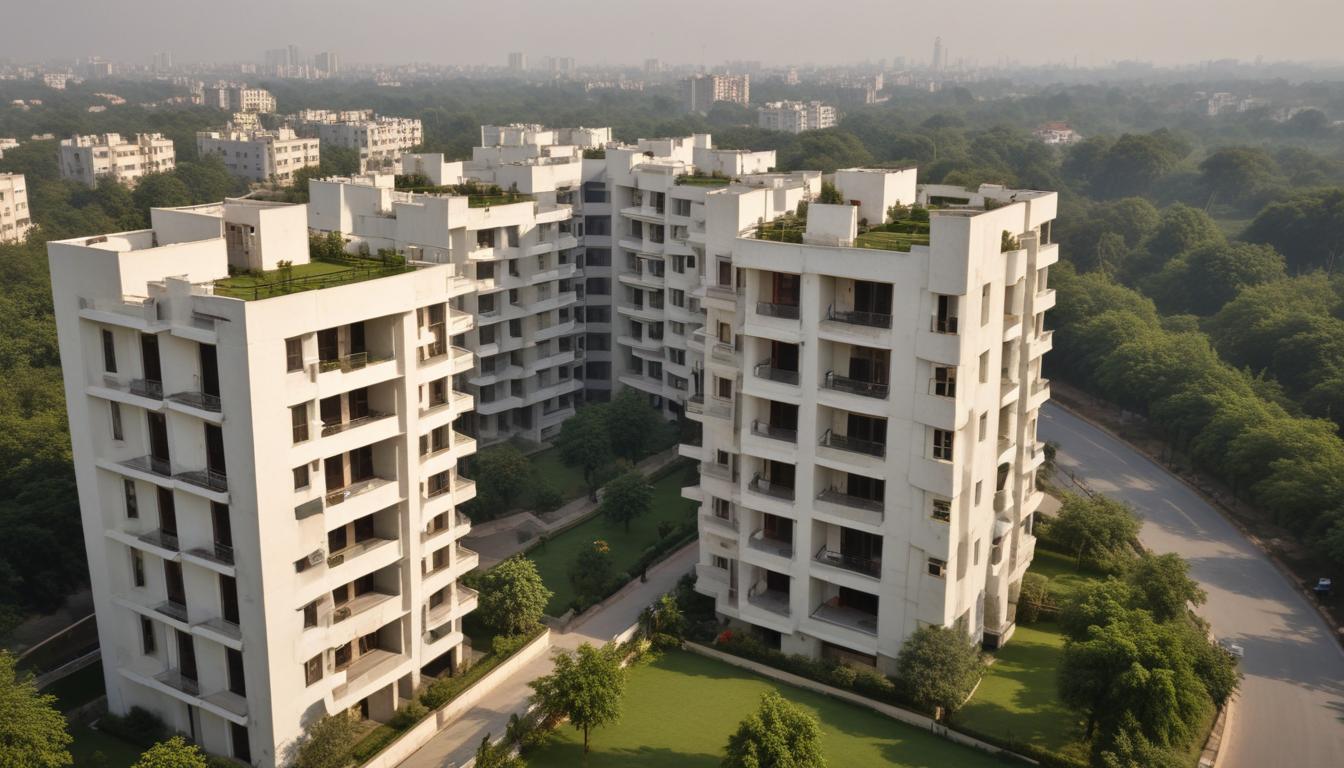
Delhi's rental market is undergoing a seismic shift. Fresh residential developments cascading through the National Capital Region—from DLF's ongoing projects in Gurgaon to Noida's expanding metro-linked corridors—are fundamentally altering the balance of power between landlords and tenants in ways that ripple far beyond construction sites.
The numbers tell a compelling story. While South Delhi's premium neighbourhoods like Defence Colony and Greater Kailash command rental rates hovering around INR 60,000–80,000 per month for three-bedroom apartments, newly completed towers in Gurgaon's Sector 65 and 66 are offering comparable specifications at INR 45,000–55,000. This 30–40 percent spread has prompted a visible migration of middle and upper-middle-class renters from established Delhi localities toward emerging NCR townships with modern amenities, reliable parking, and newer construction standards.
For landlords in traditional colonies along Lodhi Road, Kalkaji, and East of Kailash, the implications are immediate and stark. Properties languishing vacant for months are no longer anomalies—they're becoming normalcy. Estate agents report longer vacancy periods and downward pressure on rental expectations. Landlords are reluctant to slash rates, creating a standoff that benefits only prospective tenants with negotiating power.
Conversely, new construction is proving a landlord's ally in high-growth zones. Properties adjacent to the extended Delhi Metro corridors—particularly along the Aqua Line and the proposed extensions toward Sector 62 in Noida—are achieving near-instantaneous occupancy once keys are handed over. Builders like Lodha and Godrej Properties are reporting waiting lists for rentals in their new complexes before completion.
Yet the rental boom isn't uniform. Micro-markets matter acutely. A two-bedroom flat in Sector 39, Noida, near metro access, now commands INR 35,000–40,000, undercutting comparable West Delhi properties by nearly 25 percent. This fragmentation is forcing older landlord communities to confront uncomfortable truths: rent freezes no longer guarantee occupancy; maintenance upgrades are becoming mandatory rather than optional.
Tenant advocacy groups have seized the moment, emphasizing tenant rights and lease standardisation. Meanwhile, landlord associations warn that aggressive downward pressure risks discouraging maintenance investment and fuelling informal housing economies.
As construction continues unabated—with DLF Capital Greens and other mega-projects coming online—expect further divergence. Landlords with older properties in non-metro-linked areas face restructuring imperatives, while those in fringe-but-connected zones like Sector 107, Noida, are positioned to thrive. The rental market's new map is being drawn in real time, and location advantages have shifted decisively toward connectivity over legacy prestige.
This article was compiled by AI from the sources linked above and screened before publishing. See our editorial standards.
How does this story make you feel?
Spread the word
About this article
Published by The Daily Delhi
Daily brief
Free, in your inbox before 7am. Weekdays.
More in Property