First-time landlord? Here's how to navigate Delhi's investment property maze
With yields ranging from 2.5% to 4.5% across the NCR, new investors need smart strategies to pick winners in a fragmented market.
With yields ranging from 2.5% to 4.5% across the NCR, new investors need smart strategies to pick winners in a fragmented market.
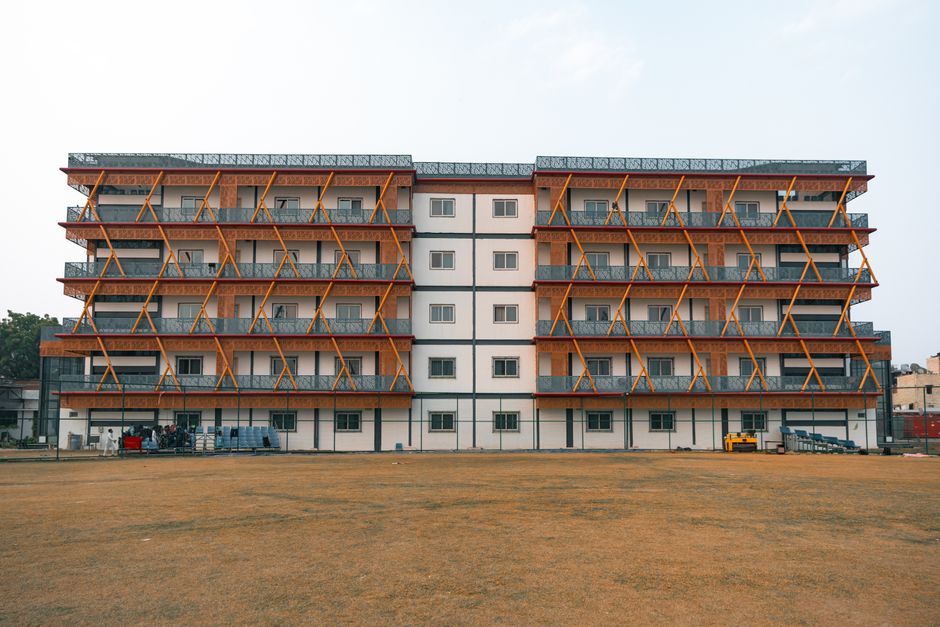
Delhi's rental market is booming, but first-time property investors often stumble at the starting line. With average prices hovering around ₹8,000 per square foot across the city—and South Delhi commanding premiums of ₹15,000-plus—understanding yield potential has become essential before signing anything.
The maths are straightforward but often overlooked. A 2-bedroom apartment in Karol Bagh might cost ₹1.2 crore and generate ₹45,000-50,000 monthly rent, translating to a gross yield of just 4.5%. Move to emerging corridors like the Dwarka metro line or Sector 62 in Noida, and yields climb to 3.5-4.2%—with significantly lower entry prices. The trade-off? Location liquidity. South Delhi properties near Safdarjung or Defence Colony command premium rents but move faster when you need to exit.
New investors consistently make three mistakes. First, they chase headlines about ₹2 crore+ penthouses in prime real estate without calculating running costs. Property taxes, maintenance charges (often ₹15-25 per sqft annually in organised societies), and vacancy periods erode returns faster than expected. Second, they ignore micro-location. A DLF property in Sector 28, Gurgaon, appreciates differently than comparable square footage in Sector 37. Third, they underestimate tenant screening. A single problematic tenant can wipe out 12 months of profit through legal disputes and property damage.
Smart entry points exist for disciplined buyers. The eastern Delhi expansion—particularly along the Vaishali metro corridor in Ghaziabad—offers 3-4% yields with appreciation potential as metro connectivity matures. Similarly, Noida's Sector 150 and 151 projects are attracting institutional tenants and NRI investors, stabilising occupancy rates. These areas won't make headlines like South Delhi developments, but they'll deliver steady returns with lower volatility.
Structurally, young investors should demand transparency. Request rental agreements in writing, conduct proper tenant verification, and register documentation with local authorities—non-negotiable steps that protect against future disputes. Consider hiring property management companies (typically charging 8-10% of rent) if you're managing multiple assets or staying abroad. Organisations like the Indian Property Owners Association provide templates and guidance.
Finally, stress-test your assumptions. If you're banking on 4% yields, ask yourself: can you sustain the property if occupancy drops to 80%? What happens if interest rates climb? Buffer your calculations by 0.5-1% and only invest if the property still makes financial sense. In a market where clearance rates remain uneven, this disciplined approach separates successful landlords from those waiting for the next boom.
This article was compiled by AI from the sources linked above and screened before publishing. See our editorial standards.
How does this story make you feel?
Spread the word
About this article
Published by The Daily Delhi
Daily brief
Free, in your inbox before 7am. Weekdays.
More in Property