Delhi's luxury property market is entering a defining moment. While the city's average price point hovers around ₹8,000 per square foot, South Delhi's prestige projects are commanding ₹25,000 to ₹40,000 per sqft—yet sales momentum suggests buyers see genuine value in what's emerging. The question isn't whether these developments will shape the market, but how quickly their ripple effects reshape entire neighbourhoods.
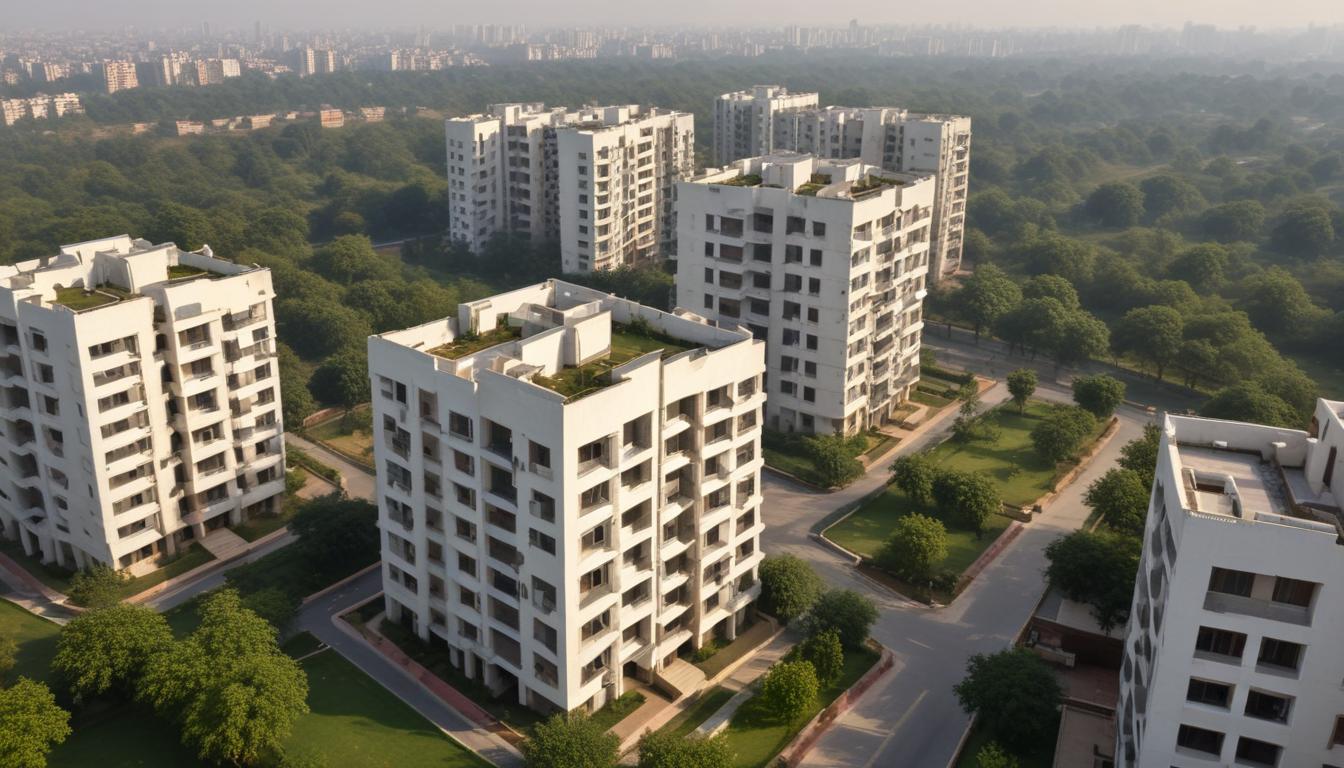
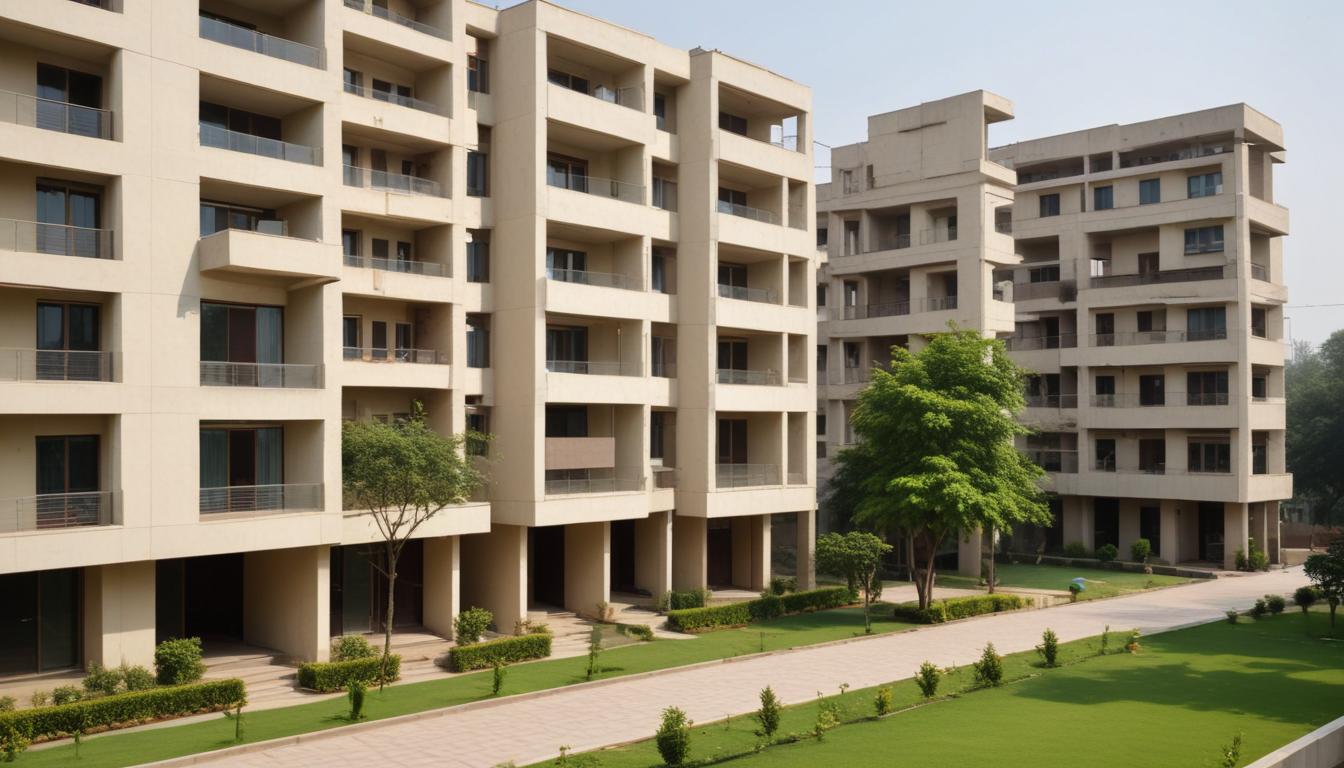
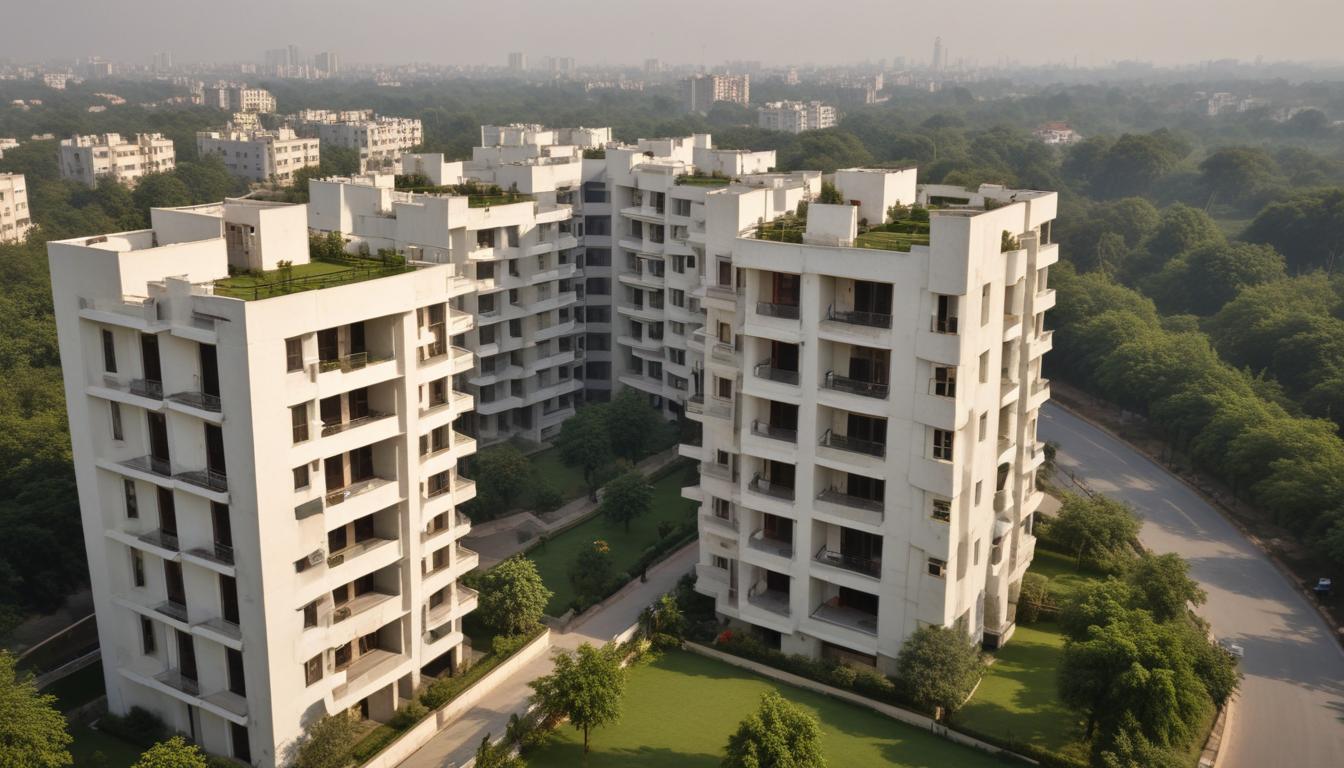
The catalyst is unmistakable: flagship projects in Mehrauli, Chattarpur, and along the expanded metro corridor are introducing architectural standards, amenities, and community frameworks that previous generations of high-end Delhi housing never attempted. These aren't mere apartment blocks. Master-planned estates now feature private clubhouses rivalling five-star hotels, curated retail zones, and green spaces that speak to a emerging demographic of ultra-high-net-worth individuals who've experienced global luxury and expect equivalent standards in their home city.
Consider the implications for neighbourhoods historically defined by standalone villas and family-owned properties. Chattarpur, traditionally a preserve of independent houses on sprawling plots, is witnessing the introduction of gated communities with units priced upwards of ₹15 crore for flagship penthouses. This shift invariably elevates surrounding property values. Adjacent older properties, previously valued between ₹3-5 crore, now attract buyer interest at 20-30% premiums, purely on proximity to these new developments and their associated infrastructure improvements.
The metro corridor effect amplifies this. Properties within 500 metres of the extended metro lines in South Delhi—particularly near upcoming stations on routes serving Mehrauli and Dwarka expansion zones—have seen recorded appreciation of 12-15% annually over the past 18 months. Developers launching projects here explicitly market connectivity as a luxury amenity rather than mere utility.
Yet implications extend beyond price appreciation. These developments fundamentally alter local character. Increased foot traffic, new retail ecosystems, and improved civic infrastructure benefit surrounding neighbourhoods—but long-standing residents and smaller property holders often face displacement pressure, either through direct acquisition or through rapidly escalating property taxes tied to notional valuations influenced by nearby prestige projects.
For investors, the calculus is straightforward: flagship developments signal confidence in a micromarket. When major developers commit capital to Chattarpur or Mehrauli, they're essentially vouching for these areas' long-term prestige quotient. Secondary and tertiary properties in these zones subsequently attract investor interest as hedge plays against further appreciation.
The broader message? Delhi's luxury market is consolidating around new development nodes rather than dispersing across older prestige addresses. This concentration will likely intensify over the next 24-36 months, reshaping not just property prices but the social and commercial fabric of South Delhi itself.
This article was compiled by AI from the sources linked above and screened before publishing. See our editorial standards.