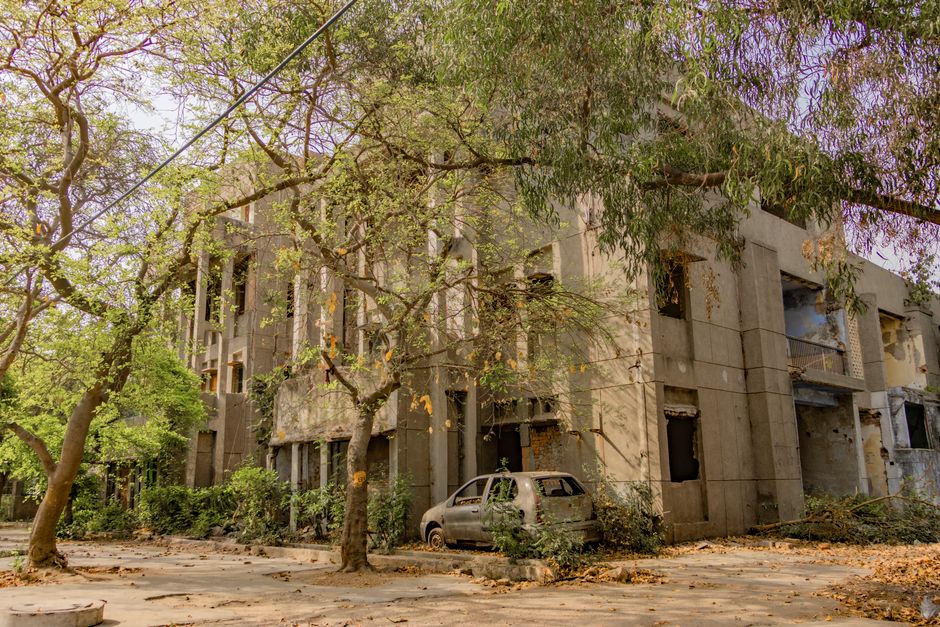
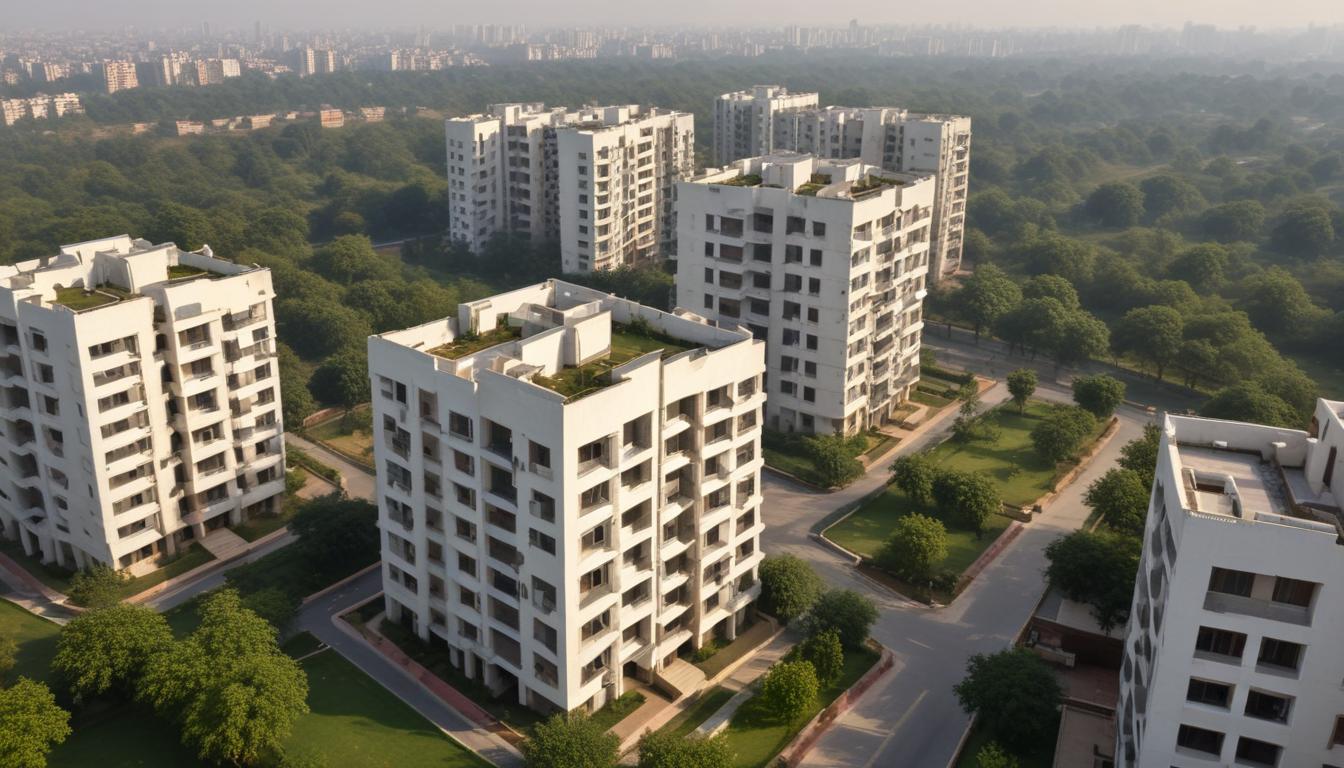
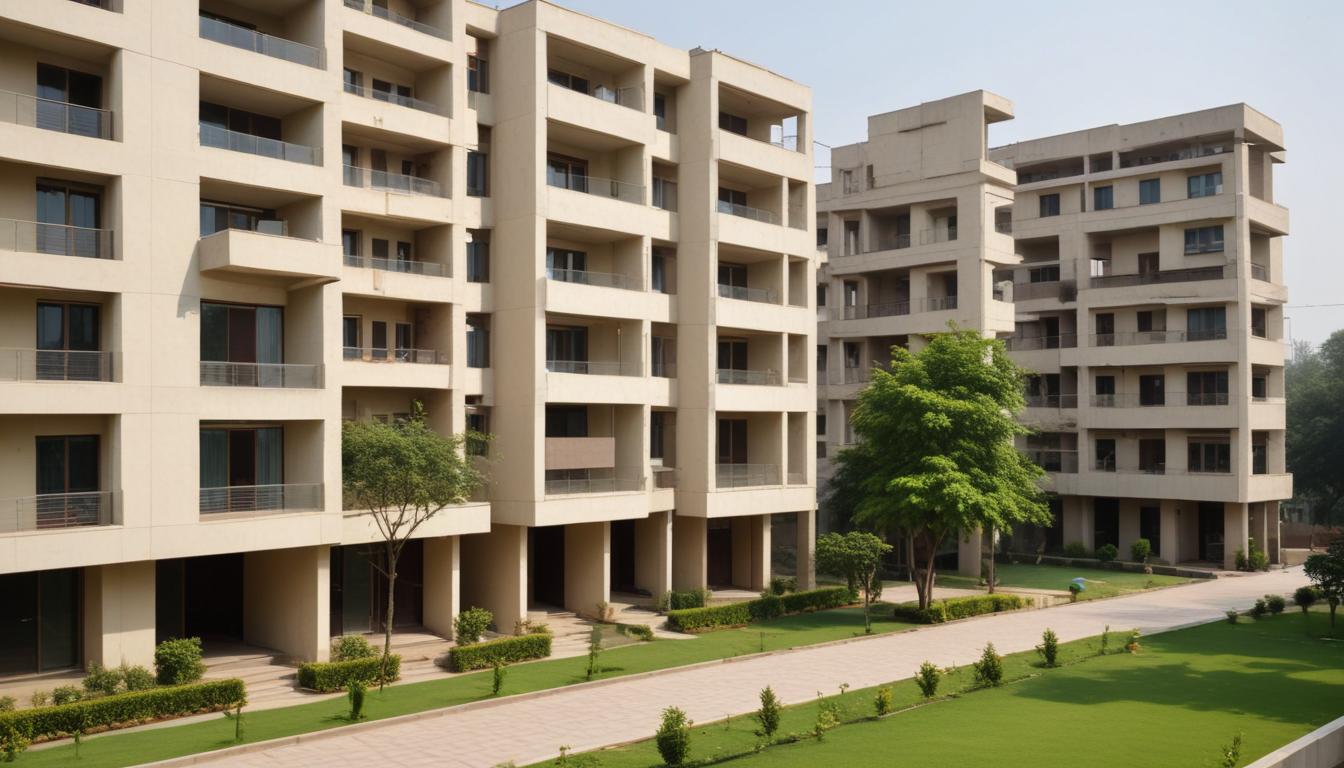
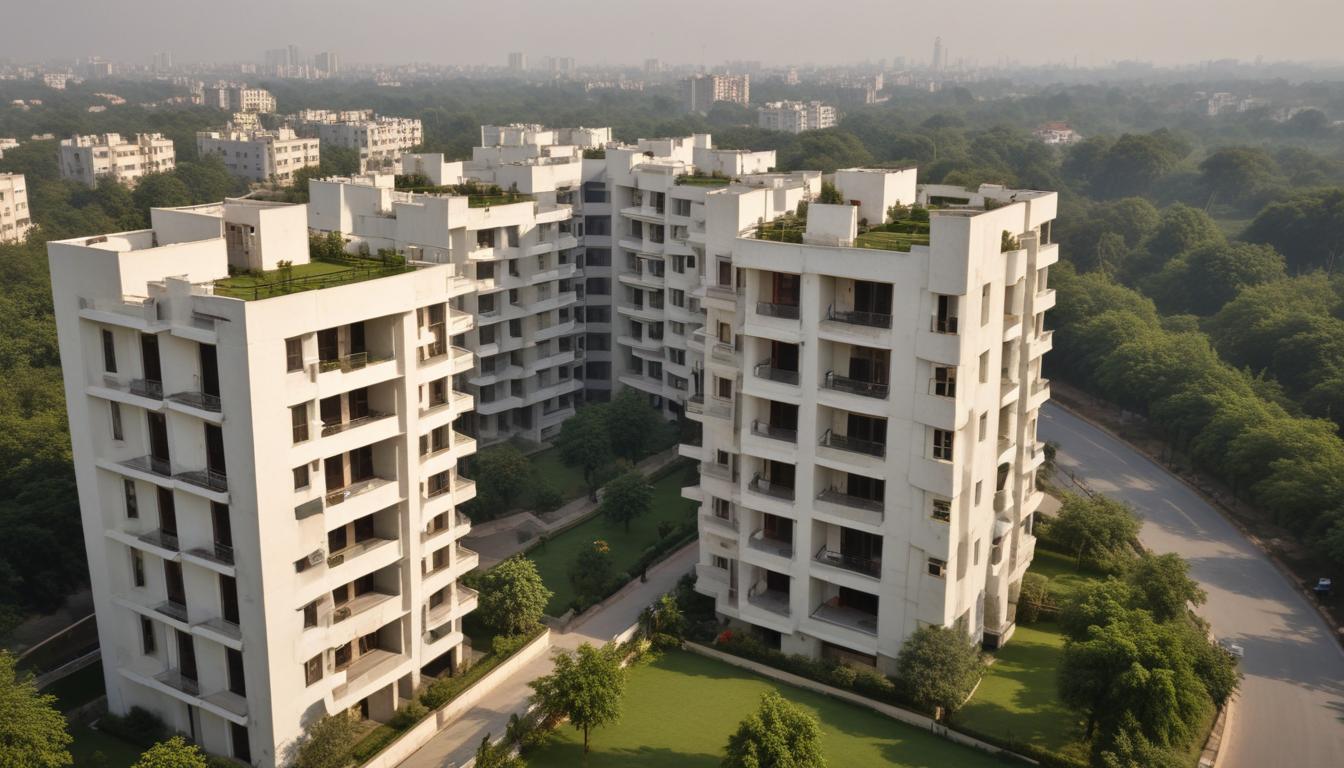
Delhi's rental market is sending mixed signals. While institutional data suggests vacancy rates have climbed to 8-12% across premium localities—a marked shift from the sub-5% range seen two years ago—rental prices remain stubbornly elevated, particularly in South Delhi's coveted pockets and along the yellow line metro corridor.
The paradox reflects a deeper structural shift. Landlords holding properties in South Delhi's Hauz Khas, Defence Colony, and Lodhi Colony neighbourhoods continue to price aggressively, with two-bedroom flats commanding INR 60,000–80,000 monthly despite increased inventory. Yet in satellite markets like Sector 62 in Noida and DLF's peripheral developments in Gurgaon, rentals have plateaued or declined marginally, forcing owners to offer concessions: waived brokerage, furnished interiors, or extended lock-in flexibility.
Why the disconnect? Property experts attribute the rise in vacancy to three factors. First, work-from-home normalisation has pushed tenants toward Tier-2 cities and suburbs, reducing demand for compact central locations. Second, the INR 8,000 per square foot baseline across Delhi has made purchase-to-rent ratios increasingly unattractive for first-time buyers, who are choosing to wait rather than rent indefinitely. Third, NRI-backed investment in commercial-to-residential conversions—particularly near Connaught Place and Rajiv Chowk—has temporarily flooded the supply without corresponding tenant appetite.
For renters navigating this environment, timing matters. Localities along the Delhi Metro's pink and blue line extensions—Dwarka, Greater Noida, and Vaishali—are offering better value propositions, with two-bedroom units available at INR 35,000–45,000 monthly. Conversely, micro-markets like Khan Market periphery and Safdarjung remain aspirational but increasingly carry vacancy risk for landlords, translating to negotiation leverage for informed tenants.
The Reserve Bank's successive rate decisions have also suppressed demand. Higher mortgage costs have kept buy-side interest muted, leaving rental seekers as the primary market participant. This inversion—where renters hold more negotiating power than they have in years—represents a structural break from Delhi's historically landlord-favourable dynamics.
Prospective renters should capitalise now. Properties advertised for 90+ days typically carry 15-20% room for negotiation on rent. Conversely, properties in high-turnover zones like Gurgaon's Golf Course Road should be locked quickly, as competitive intensity remains fierce. Flexibility on lease duration—accepting 18-month rather than 24-month terms—can unlock additional concessions.
The rental market's next inflection point will likely arrive with rate softening. Until then, vacancy's modest climb signals a recalibration: Delhi's rental ecosystem is shifting from a scarcity-driven model toward equilibrium. Tenants positioned to move decisively will benefit most.
This article was compiled by AI from the sources linked above and screened before publishing. See our editorial standards.