What Delhi's Auction Data Is Really Signalling About Affordable Housing
Stalled land clearances and compressed pricing across NCR reveal the gap between government targets and market reality.
Stalled land clearances and compressed pricing across NCR reveal the gap between government targets and market reality.
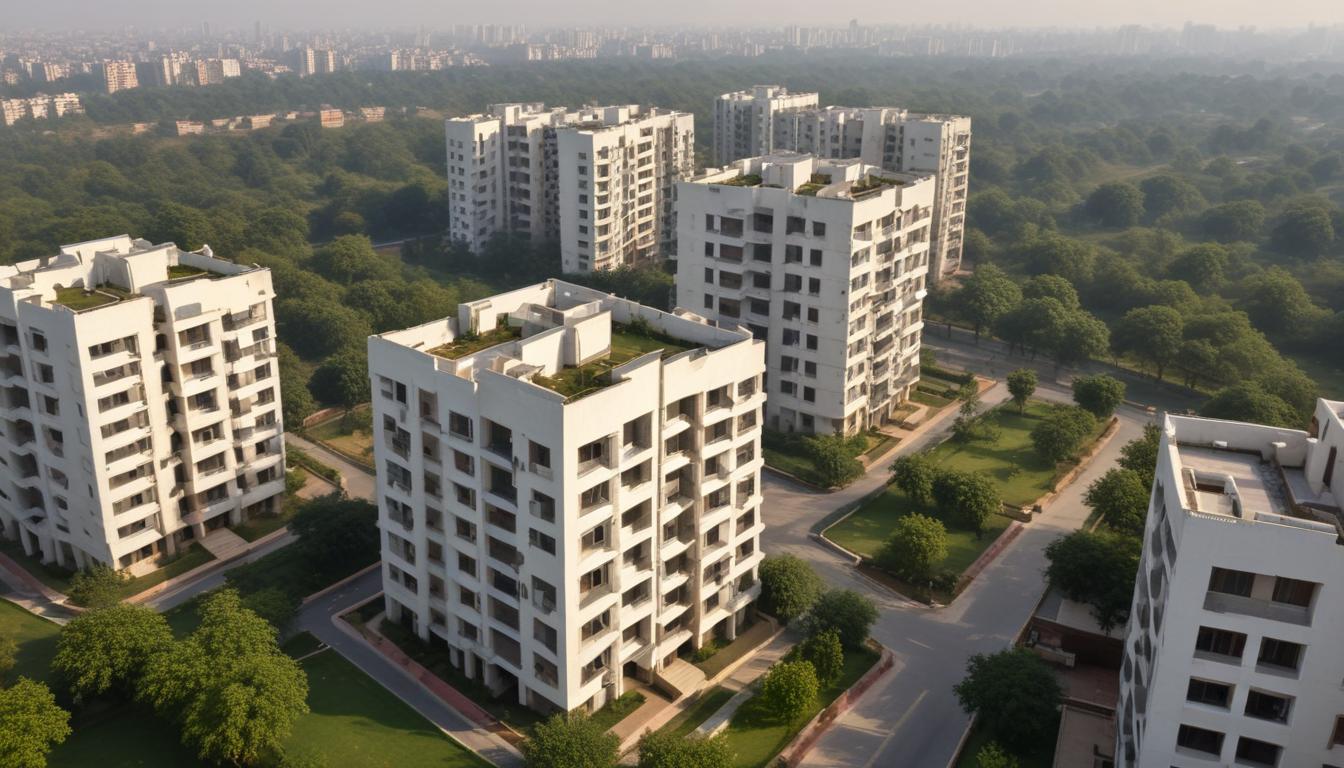
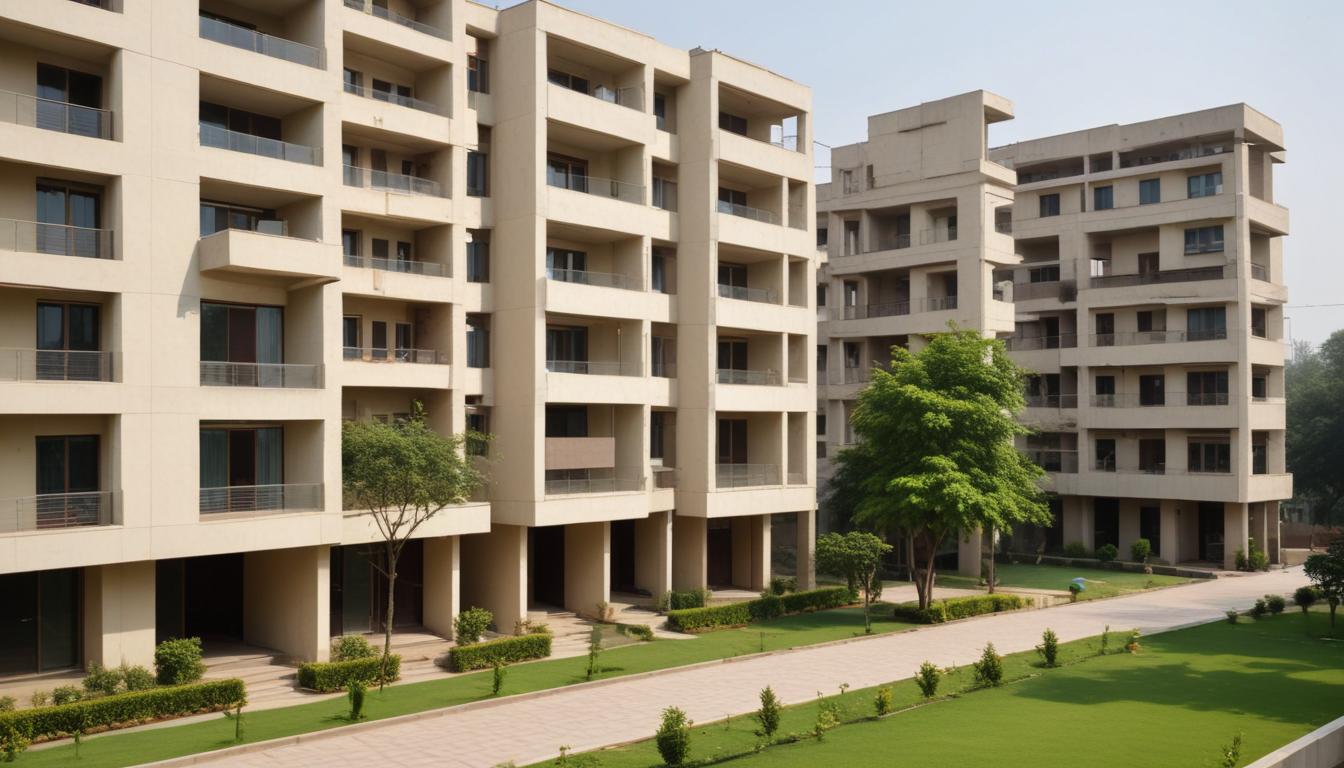
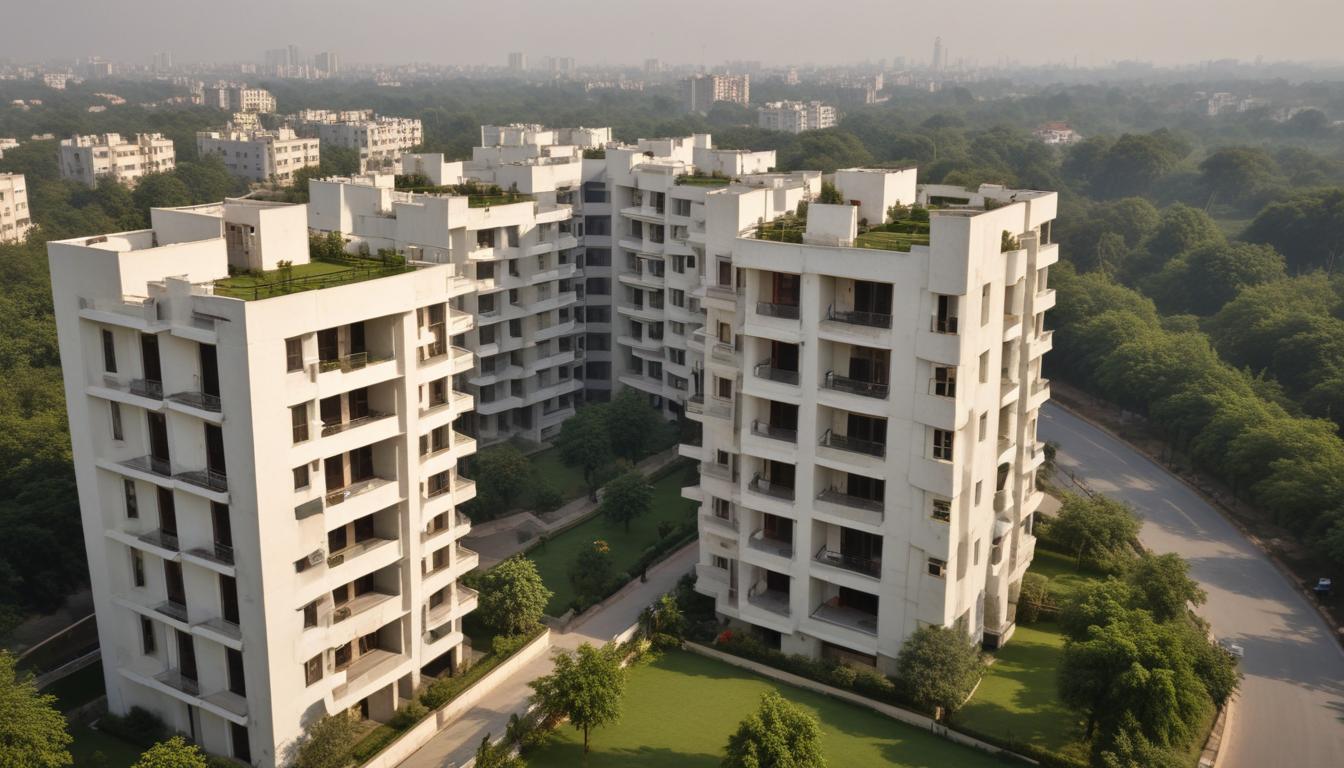
Delhi's affordable housing marketplace is sending contradictory signals. While government agencies continue to push social housing schemes—from DMRC-linked projects in Dwarka to DDA lottery draws—auction results and price data suggest a persistent disconnect between aspiration and execution.
The numbers tell a sobering story. Against a backdrop of Delhi's sprawling middle class paying ₹8,000 per square foot at market rates, recent land auctions under the Pradhan Mantri Awas Yojana framework have stalled. In East Delhi's Rohini sector, where the DDA launched 3,500 affordable units in 2024, uptake has remained sluggish. Meanwhile, the average price for "affordable" flats across DDA schemes has climbed to ₹35–45 lakh for a 2BHK—a figure that remains out of reach for the stated target demographic of households earning ₹25–60 lakh annually.
What the data reveals is less about supply shortages than about structural misalignment. The clearance rate for government land parcels earmarked for social housing has fallen sharply. In Noida and Gurgaon's satellite markets, where NCR growth was supposed to absorb displaced residents, private developers have pivoted upmarket. Plot values in Sector 62, Noida have doubled since 2023, leaving affordable housing quotas (typically 20–30% under Haryana policy) stranded as loss-making propositions for builders.
The auction trajectory is instructive. When NCRB properties in Sector 7, Dwarka went under the hammer in March this year, the hammer fell 30% below the reserve price. Similar patterns emerged at Greater Noida auctions—suggesting either overvaluation of underlying land or fundamental skepticism about project viability. Developers, it seems, have priced in execution risk.
This matters because affordability isn't a supply problem alone—it's a price-discovery problem. Government-backed schemes continue to target the ₹40–60 lakh segment, but demographic data from recent census releases show the bulk of Delhi's housing-needy population sits below ₹30 lakh in household income. The gap widens every quarter as construction costs rise faster than inflation adjustment in subsidy mechanisms.
Where policy is quietly succeeding is in the NCR fringe. Auctions in Yamuna Expressway corridor properties and NOIDA's eastward extensions show stronger clearing ratios—not because pricing is lower, but because land values there reflect genuine affordability economics. A ₹25 lakh unit near Greater Noida's metro corridors moves faster than a ₹45 lakh DDA offering in South Delhi's vicinity.
The message for policymakers is implicit: auction data suggests affordable housing works only when price discovery aligns with actual income demographics, not policy targets. Until that resets, even robust clearance rates will mask deeper access failures.
This article was compiled by AI from the sources linked above and screened before publishing. See our editorial standards.
How does this story make you feel?
Spread the word
About this article
Published by The Daily Delhi
Daily brief
Free, in your inbox before 7am. Weekdays.
More in Property