Delhi's property market is sending contradictory signals. While land parcels in peripheral zones are fetching near-record auction prices—some exceeding ₹2 crore for modest plots in Dwarka and Rohini—affordable housing completions remain sluggish, and middle-income families are being priced out of neighbourhoods they once considered accessible.
The disconnect is stark. Over the past 18 months, NRHM (National Register of Housing and Mobility) data shows Delhi's average property rate hovering around ₹8,000 per square foot for mainstream residential stock. Yet plots in emerging corridors near the extended metro lines—particularly along the Violet Line extension towards Greater Noida and the Rapid Metro zones in Gurgaon—are commanding ₹12,000 to ₹15,000 per square foot. Simultaneously, DLF's ongoing affordable housing projects in Sector 37 and 38 in Gurgaon, targeting the ₹50–70 lakh bracket, have seen uptake flatten despite policy incentives.
What auction results truly signal is investor confidence in land appreciation, not homebuyer demand. Recent clearance rates for vacant government plots in East Delhi and Outer Delhi have remained below 60%, suggesting speculative bidding rather than end-user interest. This pattern mirrors what we saw in early 2025 when similar peripheral parcels sold for inflated prices, only to languish as unsold inventory.
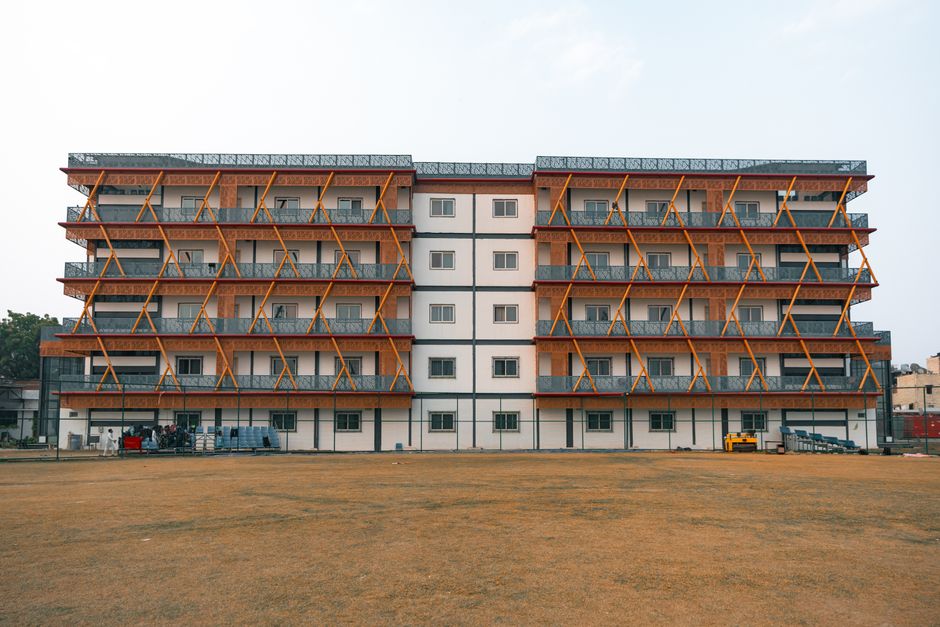
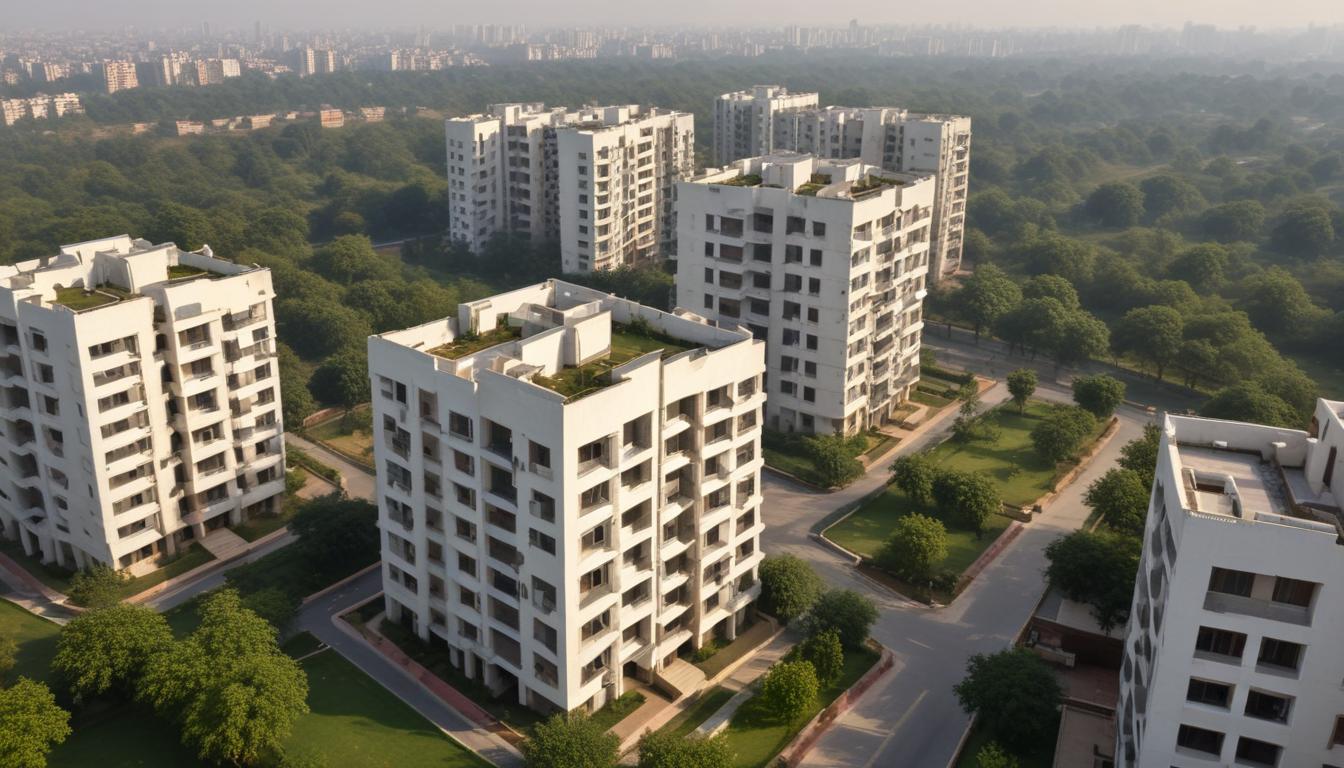
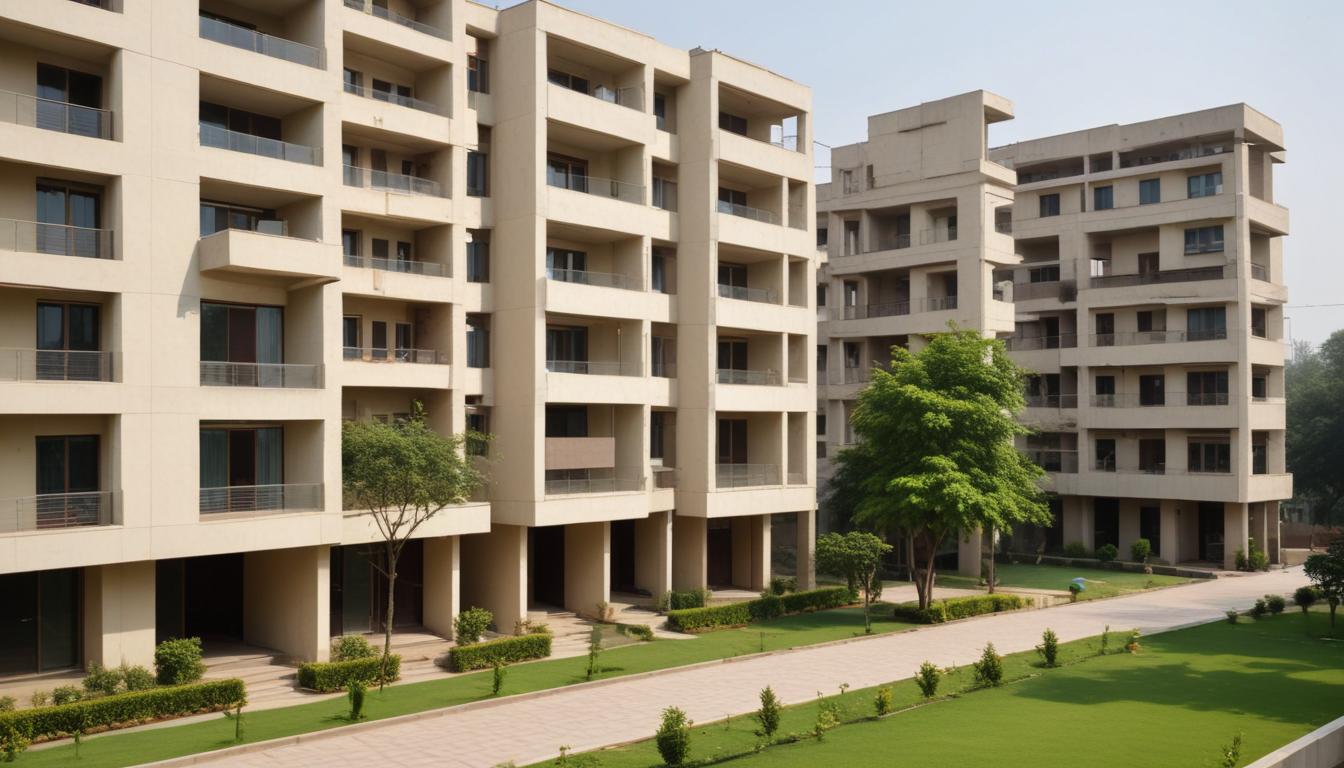
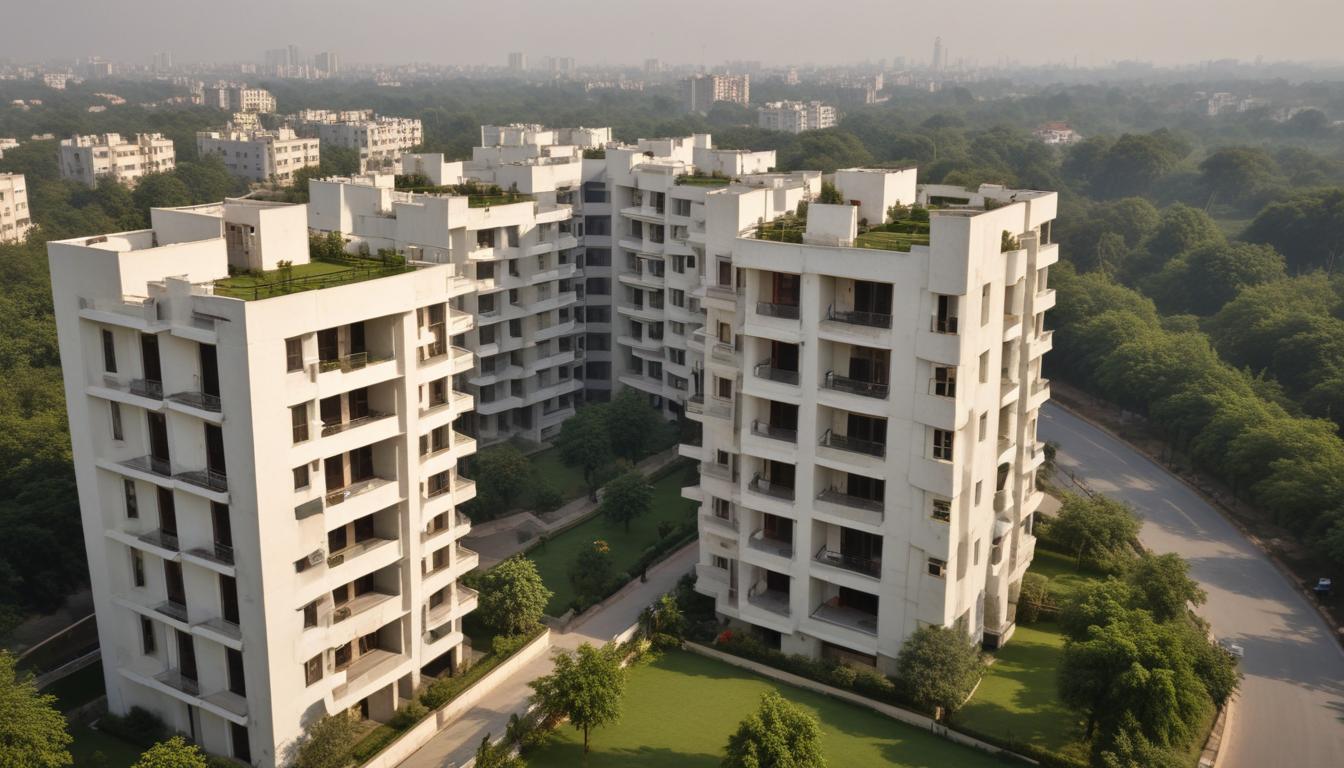
The 'Home for a Home' initiatives and DDA's incremental releases have failed to bridge the gap. A family earning ₹6–8 lakh annually cannot access a 2BHK in accessible neighbourhoods like Laxmi Nagar or Malviya Nagar, where per-unit costs now exceed ₹1.5 crore. They're pushed towards Noida Sector 62 or Greater Noida West—still 45–60 minutes from employment hubs in Connaught Place or Cyber City.
Policy data from the Delhi Housing and Development Board reveals that just 34,000 affordable units were completed in the last financial year against a backlog of over 1.8 million applications. Auction prices are rising because land is scarce and speculators remain active. Affordable housing metrics are declining because construction costs, labour expenses, and land acquisition have made ₹50 lakh target prices economically unviable for developers without deeper subsidy.
The real signal: Delhi's housing market is bifurcating. Premium and investment-grade properties in South Delhi, Gurgaon's DLF phases, and Noida's new corridors are thriving. Affordable housing remains a policy aspiration, not a market reality. Until auction dynamics translate into actual construction starts and completion timelines shorten, price data will continue to reflect investor appetite, not family housing security.
This article was compiled by AI from the sources linked above and screened before publishing. See our editorial standards.