Metro Lines and Metro Malls: What's Really Driving Delhi Property Yields Right Now
As infrastructure projects reshape neighbourhood economics, smart landlords are betting on connectivity over prestige—and yields are following.
As infrastructure projects reshape neighbourhood economics, smart landlords are betting on connectivity over prestige—and yields are following.
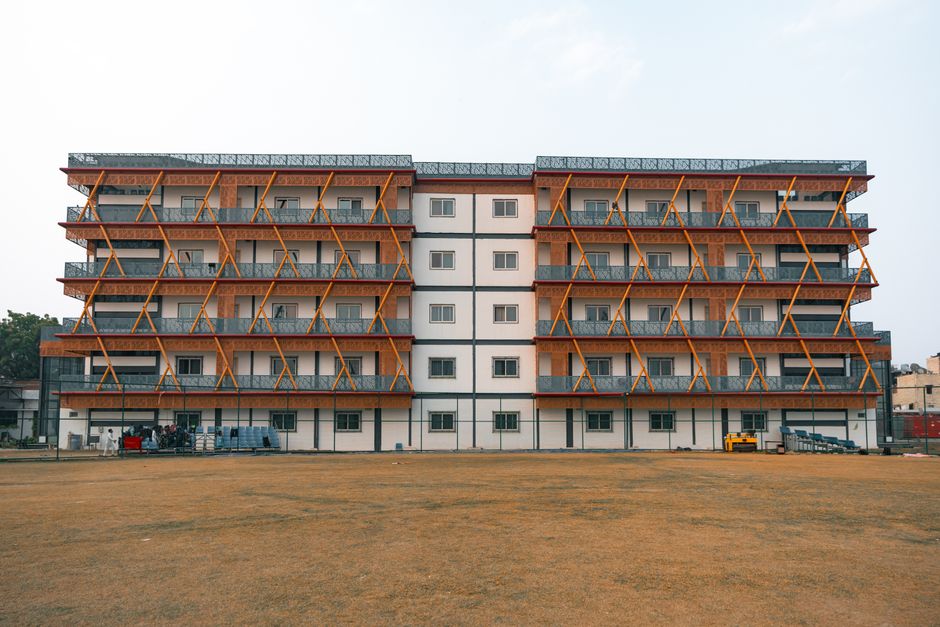
Delhi's property investment calculus has shifted. While South Delhi's leafy avenues—Safdarjung, Greater Kailash, Defence Colony—remain synonymous with wealth, savvy landlords are increasingly eyeing emerging corridors where infrastructure spending is outpacing price appreciation, creating genuine yield opportunities.
The story is written in metro maps. Properties within 500 metres of upcoming Delhi Metro extensions, particularly along the Rapid Metro Corridor and Phase-IV expansions serving Gurgaon and Noida, are commanding rental premiums of 15–20% compared to non-connected areas. A 2-bedroom flat in Sector 12, Noida near the metro station currently yields 3.5–4% annually, compared to 2.2–2.8% in comparable South Delhi properties valued at ₹8,000–₹10,000 per square foot. The maths are simple: yield hunters should follow the cranes and construction barriers.
Commercial micro-markets near consumption hubs offer another lens. Property within a 1-kilometre radius of major retail destinations—think Ambience Mall in Vasant Kunj, Aerocity, or the expanding DLF Cyber Hub in Gurgaon—attracts consistent office-to-residential spillover demand. Studio and 1-bedroom units here are achieving 4–5% gross yields, particularly where IT corridors and co-working clusters cluster densely.
Three realities shape today's investment landscape. First, regulation is tightening affordably. The Real Estate Regulation Act compliance has weeded out speculative builders, making developer-backed projects and established names like DLF and Oberoi Realty more reliable for landlords seeking stable tenant acquisition and resale liquidity. Second, rental demand follows jobs, not postcodes. While Connaught Place and Hauz Khas Village command premium rents, they attract transient footfalls. Extended Cyber Hub commuter corridors in Gurgaon and the emerging GIFT City satellite markets are where sustained occupancy lives. Third, interest rate cycles matter more than ever. With mortgage costs elevated, furnished rental yields matter. Budget properties—₹30–₹50 lakh flats in accessible Noida and Gurgaon suburbs—are outpacing larger investments on yield-to-price ratios.
For landlords today, the playbook is clear: prioritise location on transit maps over location on Instagram. Properties on the Dwarka Expressway, Noida's FNG Corridor, and metro-adjacent Sector 62 and 63 in Noida offer better risk-adjusted returns than speculative bets on micro-markets. Infrastructure completion timelines matter more than neighbourhood brand. Check metro opening dates, commercial zone notifications, and office park announcements—not just property pages. The premium real estate market may make headlines, but yields are being built in the infrastructure seams.
This article was compiled by AI from the sources linked above and screened before publishing. See our editorial standards.
How does this story make you feel?
Spread the word
About this article
Published by The Daily Delhi
Daily brief
Free, in your inbox before 7am. Weekdays.
More in Property