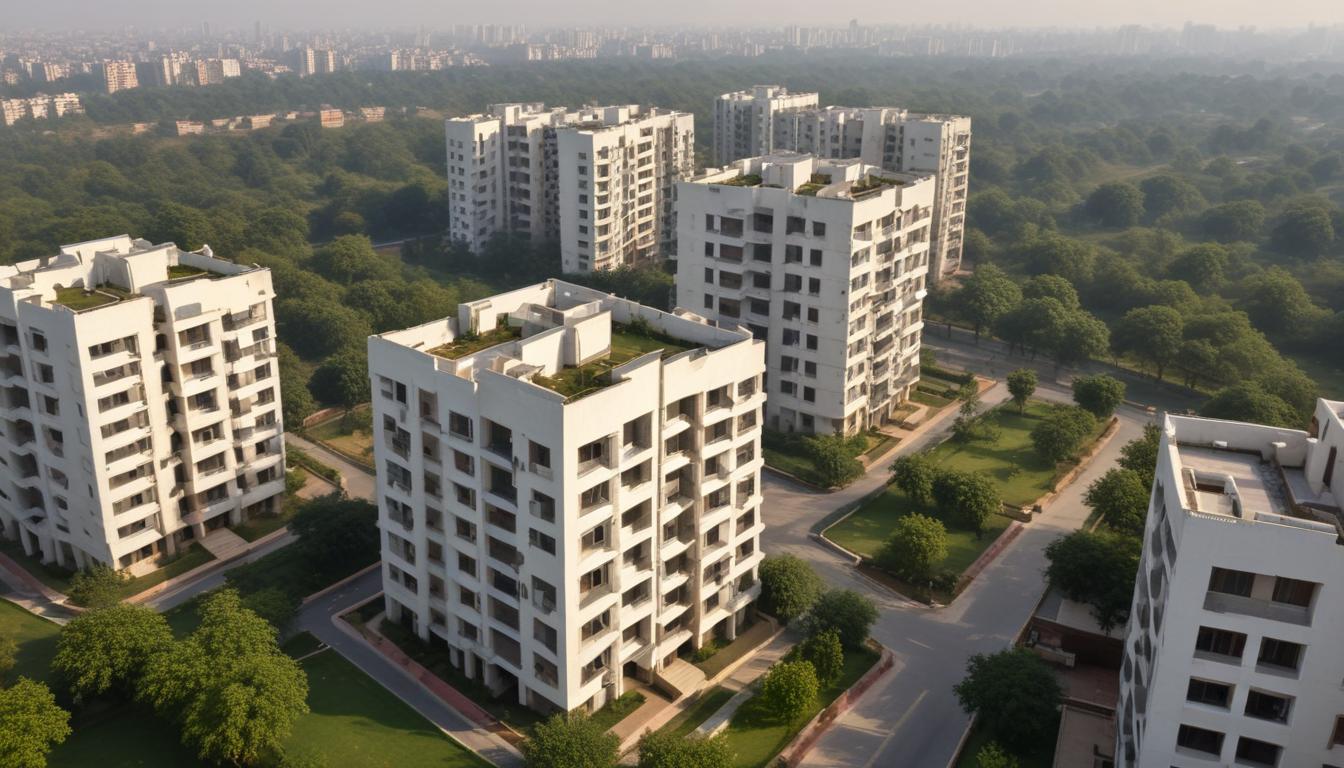
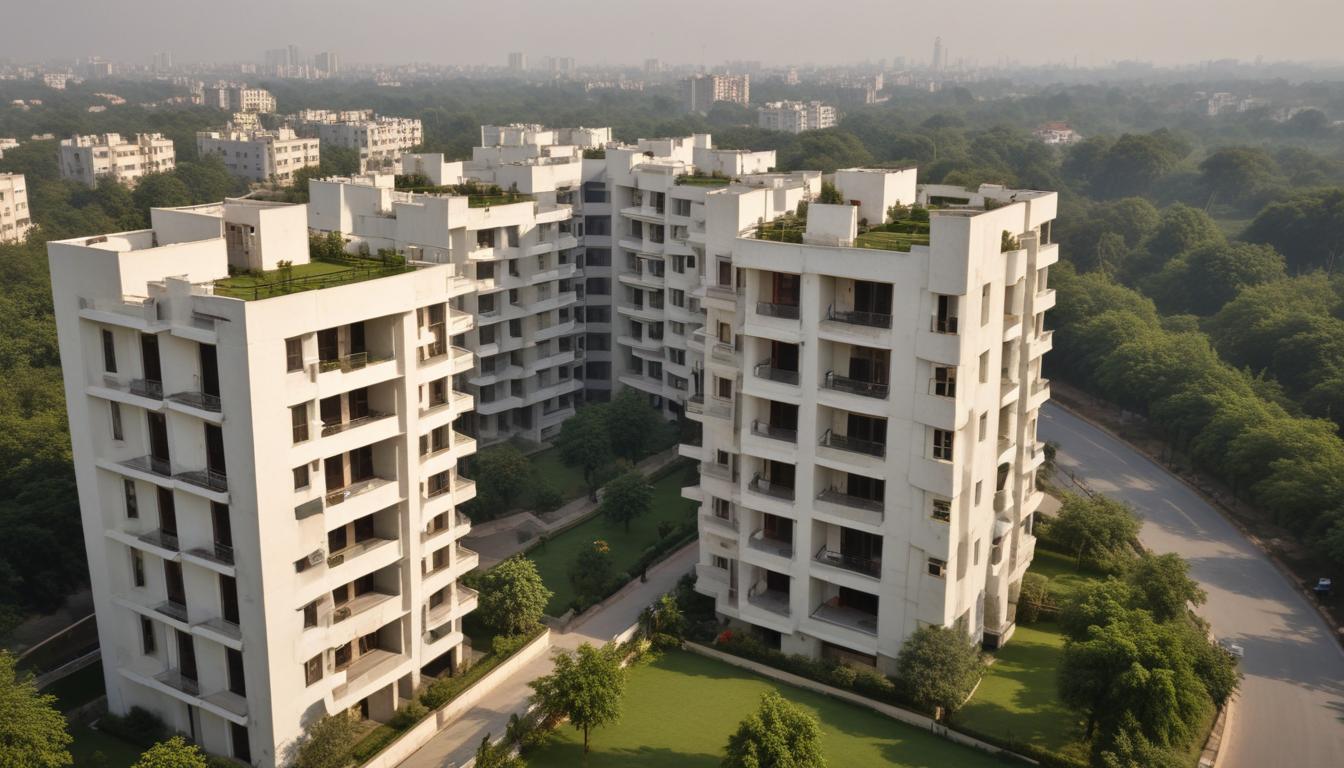
For first-time homebuyers in Delhi, timing has rarely been more critical. The arrival of major infrastructure projects—particularly the extended metro corridors linking Indraprastha to peripheral zones and the ongoing Dwarka redevelopment—is rewriting the financial playbook for entry-level property acquisition.
The National Housing Bank and Delhi's state nodal agency have introduced targeted grants for properties within 2 km of new metro stations. Buyers purchasing units in emerging clusters like Sector 62 in Noida or the newly connected zones near Rajiv Chowk can now access stamp duty waivers up to 4 per cent, alongside reduced home loan processing fees from HDFC Bank, ICICI Bank, and SBI. The effective impact: a savings of INR 8–12 lakhs on a INR 50-lakh property in these designated zones.
What's changed on the ground? Properties in Gurgaon's southern extensions—Sectors 81–84—previously averaging INR 7,200 per sqft, have climbed to INR 8,900 following the Orange Line metro announcement. First-time buyers who locked in at pre-announcement rates now sit on appreciating assets. Meanwhile, South Delhi's constrained inventory (average INR 12,000+ per sqft) makes peripheral metro-connected areas increasingly attractive for younger professionals working in the CBD.
The Pradhan Mantri Awas Yojana (PMAY) continues offering subsidised loans up to INR 6 lakhs for eligible first-time buyers earning under INR 12 lakhs annually. However, new developments now qualify under a separate "Metro-Linked Priority" category, offering marginal rate reductions and faster loan disbursal—typically within 60 days versus the standard 90.
Here's the catch: developers in newly notified zones are raising prices in anticipation of infrastructure completion. A 1.5 BHK in Sector 37, Dwarka—classified as an "emerging" area—commands INR 75 lakhs today but experts project INR 95 lakhs by 2027. For cash-strapped first-time buyers, locking in *now* with a 10 per cent down payment and 20-year home loan makes mathematical sense.
Due diligence remains non-negotiable. Verify the builder's RERA registration via the Delhi Real Estate Regulatory Authority website, confirm metro timeline projections with DMRC directly, and stress-test your EMI calculations at 8.5 per cent interest rates (not current discounted offers).
The bottom line: new development corridors are compressing the traditional waiting period between purchase and appreciation. For first-time buyers, this window—spanning the next 18 months—represents the most accessible entry point into Delhi's property market before structural appreciation outpaces subsidy schemes.
This article was compiled by AI from the sources linked above and screened before publishing. See our editorial standards.