Delhi's Ultra-Premium Market Faces Reckoning as Zoning Laws Reshape South Delhi's Skyline
Stricter FSI regulations and heritage overlays are reshaping where the city's wealthiest can build—and how much they'll pay.
Stricter FSI regulations and heritage overlays are reshaping where the city's wealthiest can build—and how much they'll pay.
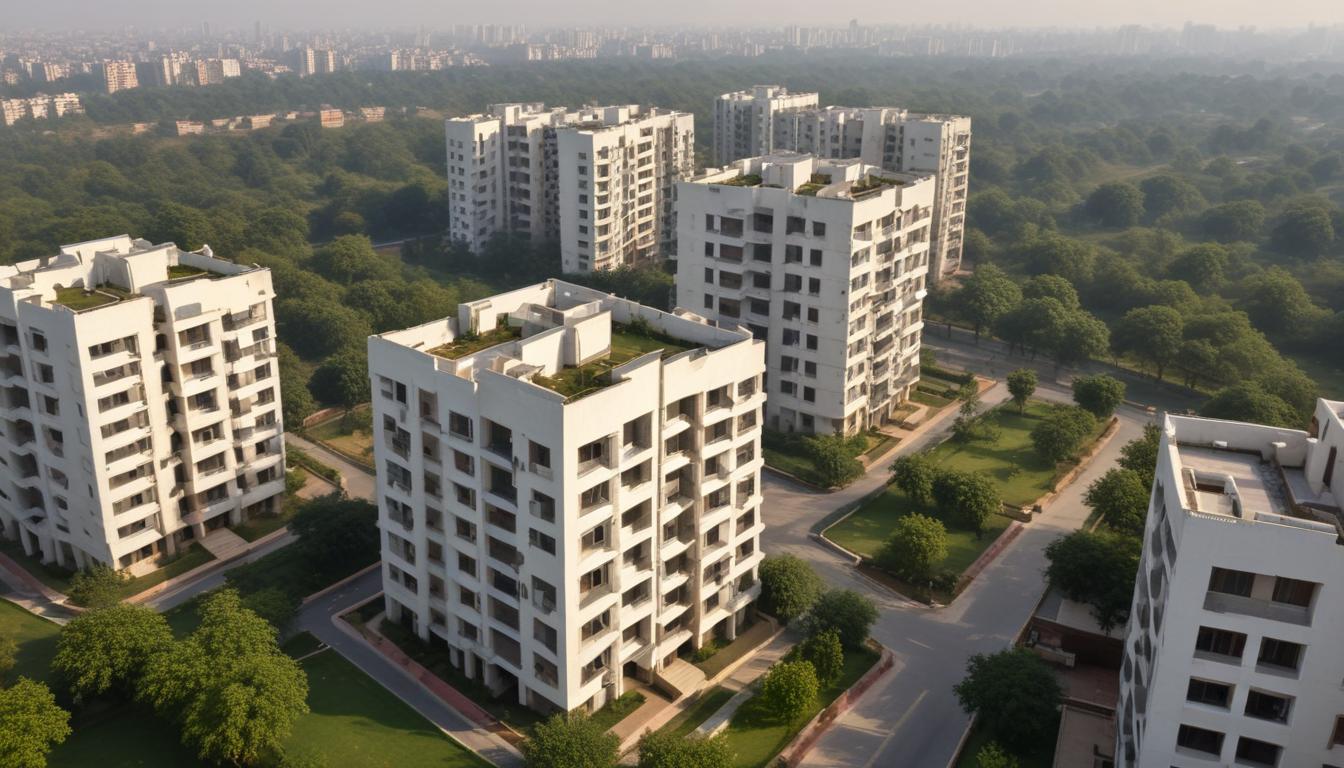
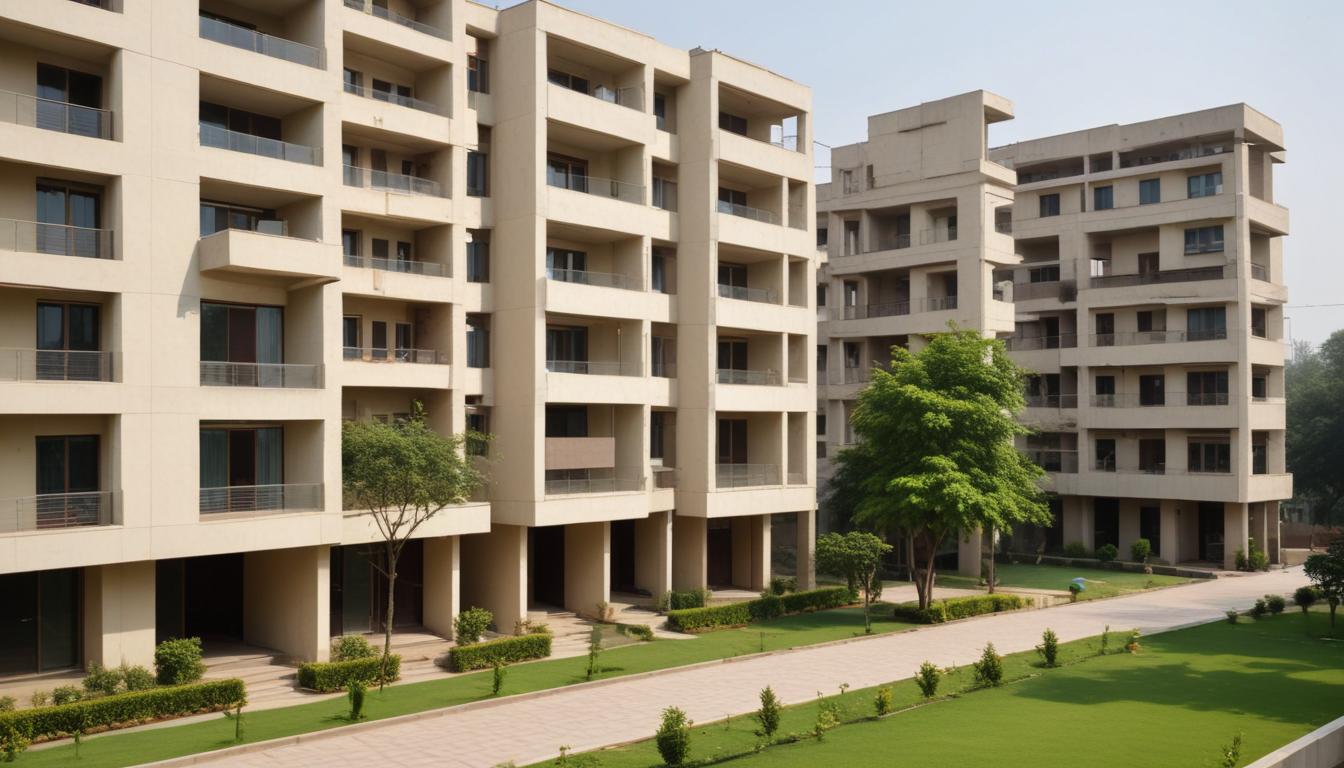
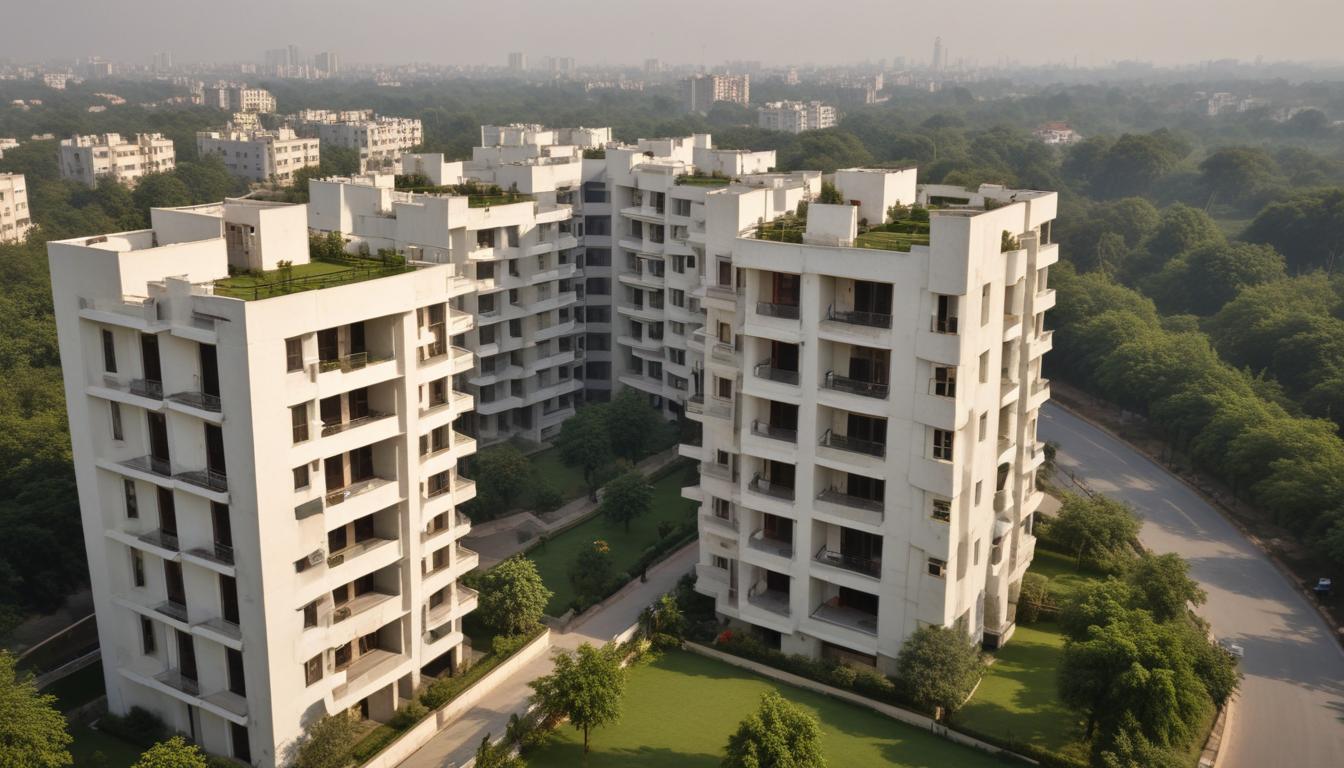
Delhi's luxury property market, long accustomed to commanding premium valuations across South Delhi's tree-lined avenues, is bracing for a structural shift. Recent planning amendments from the Delhi Development Authority have tightened Floor Space Index (FSI) caps and imposed new heritage preservation zones that directly threaten the development pipelines of high-end residential clusters around Lutyens' Delhi, Greater Kailash, and Defence Colony.
The impact is already visible in transaction velocity. Properties along Aurangzeb Road and the high-value stretches near India Gate that typically attracted ₹3-4 crore per residential unit have seen listing periods extend from 6-8 weeks to nearly four months, according to mid-market transaction data. Meanwhile, developers who banked on converting large heritage-listed bungalows into luxury apartments now face mandatory conservation requirements that reduce rentable area by up to 35 percent.
"The policy environment has fundamentally altered the calculus," explains the property market dynamics in the NCR region, where regulatory predictability in Gurgaon and Noida has begun siphoning ultrahigh-net-worth buyers away from constrained Delhi zones. DLF's recent repositioning of its premium offerings toward Gurugram's Golf Course Road extension—rather than Delhi proper—underscores this capital reallocation.
Yet policy interventions have also created unexpected scarcity value. The new restrictions on ground coverage in South Delhi's Grade-I heritage zones have inadvertently inflated prices for pre-2015 approved properties. Completed luxury residences in Chanakyapuri and Vasant Kunj command premiums of 12-18 percent over comparable new-build units, as buyers recognise they represent a fixed, non-reproducible supply.
The Delhi Metropolitan Development Authority's recent decision to extend metro corridor influence zones—traditionally price accelerators—now includes affordability mandates that compress luxury margins in emerging pockets like Dwarka. This has pushed premium builders toward established bastions like South Delhi, where regulatory certainty paradoxically justifies higher land acquisition costs.
For investors, the lesson is geographical specificity. While Delhi's average of ₹8,000 per square foot obscures massive variance, those navigating the city's luxury tier must now factor in policy drift. Properties with grandfathered development rights or completed approvals hold negotiating advantage. Meanwhile, aspiring prestige addresses in transition zones face extended pre-monetisation uncertainty.
The market correction is neither catastrophic nor temporary—it reflects planning democracy finally catching up with wealth concentration. Buyers betting on heritage Delhi should expect longer timelines, smaller realisation windows, and prices that reflect regulatory reality rather than speculative zoning hope.
This article was compiled by AI from the sources linked above and screened before publishing. See our editorial standards.
How does this story make you feel?
Spread the word
About this article
Published by The Daily Delhi
Daily brief
Free, in your inbox before 7am. Weekdays.
More in Property