Delhi's New Zoning Rules Unlock Affordable Housing Pipeline, but Squeeze Premium Micro-Markets
Policy shifts on FSI and mixed-use development are reshaping where builders can construct—and what buyers will pay.
Policy shifts on FSI and mixed-use development are reshaping where builders can construct—and what buyers will pay.
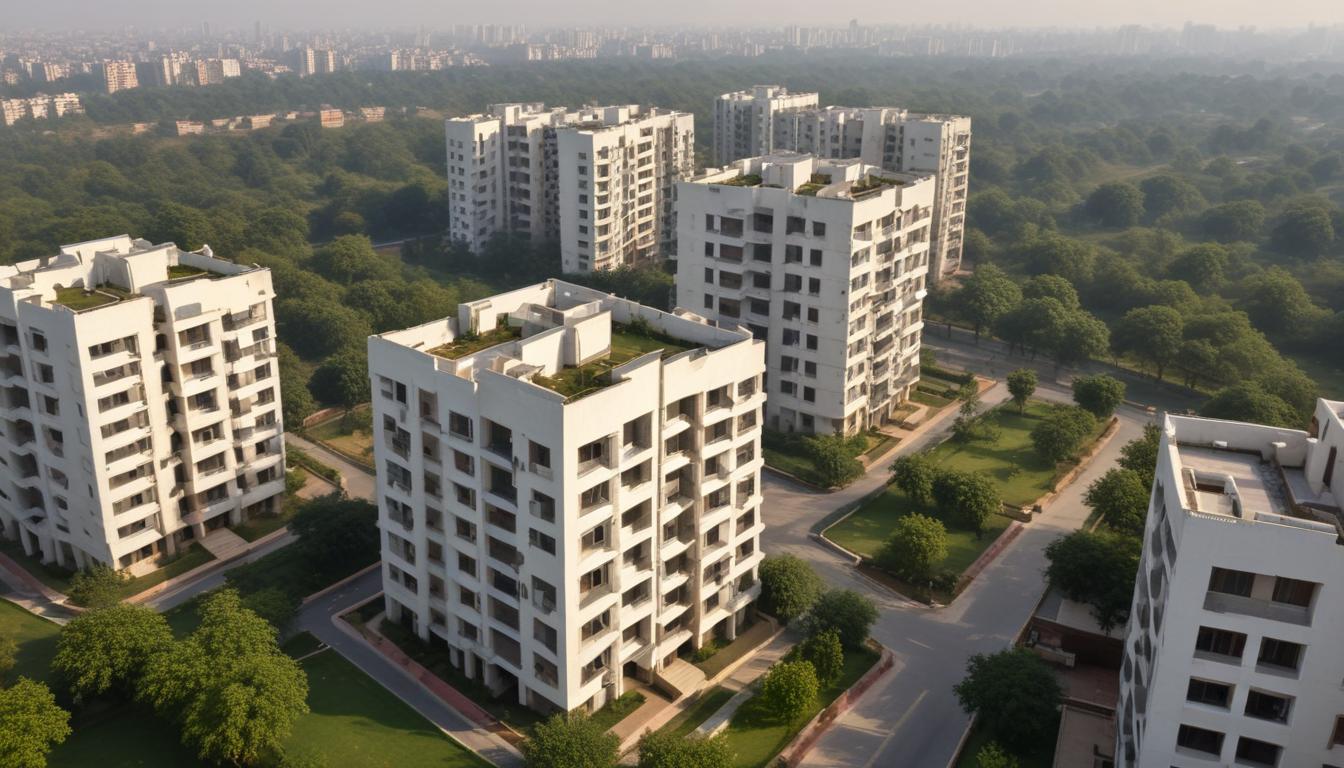
Delhi's property market is bracing for a structural shift following the Delhi Development Authority's revised Master Plan implementation guidelines, unveiled last quarter. The relaxation of Floor Space Index (FSI) limits in designated transit zones and the mandatory 20 per cent affordable housing quota for projects above 5,000 square metres are already reshaping developer calculations across the capital and its periphery.
The impact is most visible along the Delhi Metro's extending corridors. Projects green-lit under the new parameters—particularly around the Dwarka extension and Rohini sectors—are unlocking land parcels that sat idle for years. Residential developments here are now pencilling in two-bedroom affordable units alongside mid-market offerings, a mix that would have been commercially unviable eighteen months ago. Gurgaon and Noida, however, are watching nervously. The NCR growth belt has thrived partly because Delhi's restrictive policies pushed demand outward. With Delhi now loosening its grip, competition for Delhi-location premiums—currently hovering around ₹10,500 per square foot in proximity corridors versus ₹8,000 in established areas—may compress.
South Delhi presents a different puzzle. The premium zone, where properties command ₹12,000-₹15,000 per square foot, sits largely outside the new FSI relaxation. Historic neighbourhoods around Greater Kailash and Defence Colony retain their restricted-density character, protecting scarcity value but also freezing supply. Buyers seeking South Delhi postcodes are now bidding aggressively for aging properties awaiting redevelopment—the only legal pathway to higher density.
The commercial implications are equally significant. Mixed-use mandates—allowing ground-floor retail in residential projects—have prompted DLF and other major developers to recalibrate master plans for sites like those along the Mehrauli-Gurgaon Road. These permissions typically add 5-8 per cent to project costs but unlock rental yields from commercial tenancy, justifying higher residential pricing in the vicinity.
Market observers note the policy change is still filtering through approvals. Collector offices across Delhi continue processing revised applications, and timelines remain opaque. Developers caught between old and new norms are experiencing approval delays of four to six months. This regulatory friction could suppress starts in H2 2026, even as demand strengthens.
The affordable housing mandate, meanwhile, is reshaping pricing psychology. Buyers purchasing at ₹8,500-₹9,000 per square foot in newly approved zones may face lower resale velocities, as perceived affordability can deter investor interest. The policy's social intent is sound, but market friction is real.
This article was compiled by AI from the sources linked above and screened before publishing. See our editorial standards.
How does this story make you feel?
Spread the word
About this article
Published by The Daily Delhi
Daily brief
Free, in your inbox before 7am. Weekdays.
More in Property