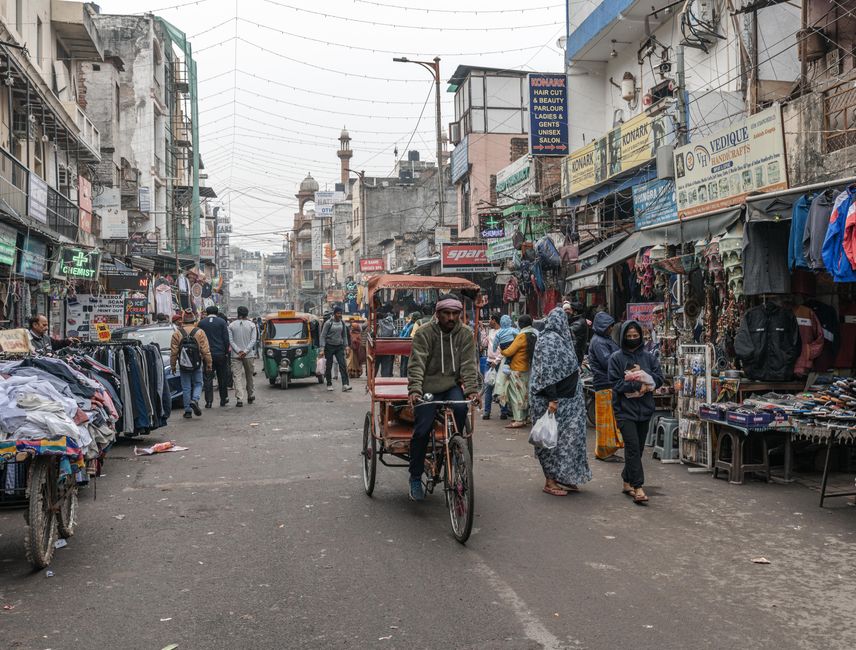
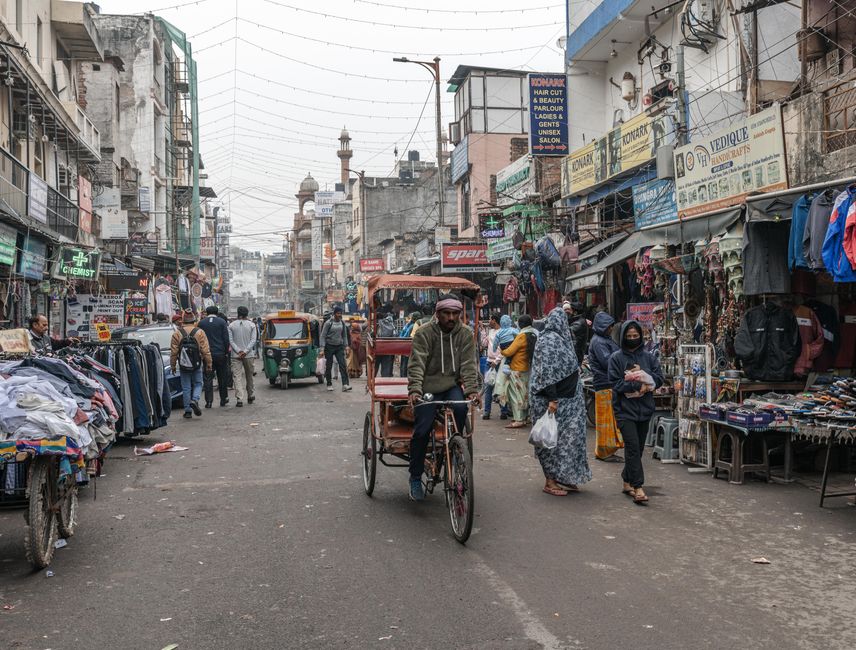
Delhi's property market stands at a crossroads. While sprawling horizontal expansion continues to push the city's periphery ever outward, a quieter revolution is brewing in neighbourhoods like Gurgaon Road, Greater Kailash, and Vasant Kunj, where mid-rise developments are proving that the city doesn't need to choose between density and livability.
The statistics paint a stark picture: residential property prices in central Delhi have soared beyond ₹1.5 crore for modest two-bedroom apartments, while peripheral areas demand ₹80-90 lakh for comparable units. Simultaneously, young professionals and small families—the backbone of Delhi's workforce—find themselves priced out of established neighbourhoods. This affordability gap is pushing developers to explore a middle path: 6-12 storey residential complexes with integrated amenities rather than sprawling towers or individual villas.
"Mid-rise development is about intelligent intensification," explains market analyst Rajesh Sharma. "You're adding density without creating the social infrastructure chaos that comes with 30-storey towers, and you're preserving neighbourhood character while improving affordability by 20-30 percent compared to ultra-luxury high-rises."
Recent municipal surveys using drone technology across Delhi's planning zones have identified over 8,000 properties in transition zones—areas currently underutilised but well-connected to Metro corridors and commercial hubs. These neighbourhoods, particularly along the East-West Metro extension corridors in Kasturba Nagar and around the proposed Dwarka expansion areas, represent prime real estate for mid-rise redevelopment.
The timing couldn't be better. With the NCR 2041 blueprint opening new growth corridors and ₹20 lakh crore in planned infrastructure investment, satellite nodes around Delhi proper are becoming increasingly attractive. However, smart developers recognise that the real value lies within established areas where existing infrastructure—schools, hospitals, markets—already functions.
A completed mid-rise project in South Delhi's Malviya Nagar achieved a rare feat: 92 percent occupancy within 18 months, despite offering units at ₹1.2-1.8 crore in an area where comparable apartments in older buildings fetch ₹1.4-2.1 crore. The difference? Modern amenities, efficient 800-1,200 sq ft layouts, and preserved street-level retail that kept the neighbourhood vibrant.
For investors, the appeal is compelling. Mid-rise projects generate steady returns (6-8 percent annually) without the speculative volatility of either ultra-luxury or ultra-affordable segments. For residents, they offer the holy trinity: affordability, connectivity, and community.
As Delhi grapples with housing for its projected 35 million residents by 2050, the mid-rise model offers a lesson: better than building taller might be building smarter. The question is whether city planners will facilitate this sensible middle ground—or continue to subsidise either sprawl or density.
This article was compiled by AI and screened before publishing. See our editorial standards.