Regional Rental Markets Outpace Capital on Affordability: Delhi Renters Weigh Options
A fresh analysis of rental costs shows regional cities are closing the gap with Delhi, forcing tenants to rethink value in the NCR and beyond.
A fresh analysis of rental costs shows regional cities are closing the gap with Delhi, forcing tenants to rethink value in the NCR and beyond.
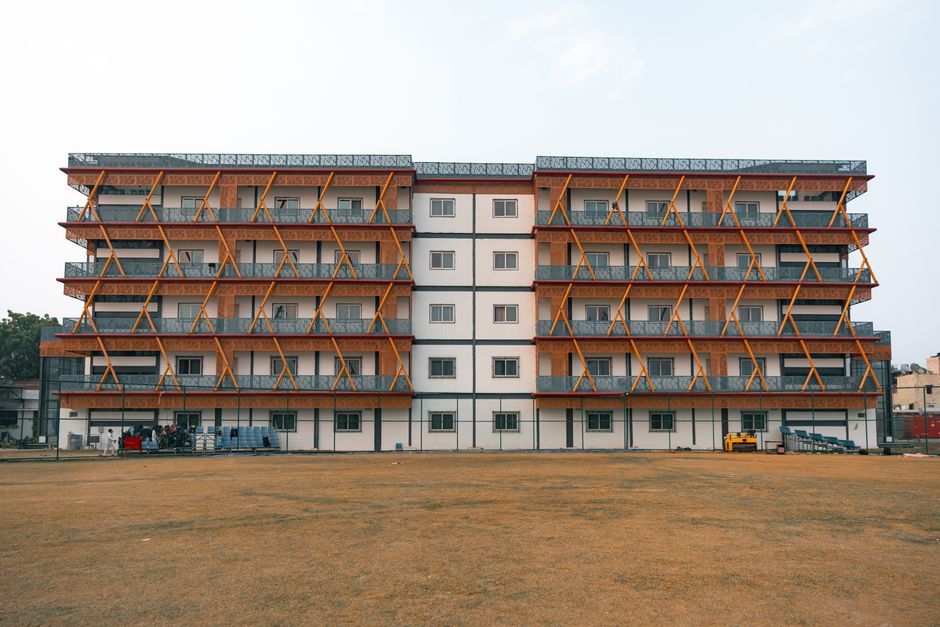
Renters in Delhi are facing new pressures as regional cities like Ghaziabad and Faridabad report sharper drops in rental yields and better deals for tenants, new property market data for July 2026 reveals. Average rents for a 2BHK in South Delhi’s Greater Kailash now stand at ₹40,000 per month—a figure up 7% year-on-year—while comparable flats in Indirapuram and Sector 21C, Faridabad, remain stable at ₹18,000 to ₹22,000.
This growing affordability gap couldn’t be more timely. Delhi’s metro expansion and housing crunch, coupled with surging inward migration after the recent heatwave elsewhere in India, have stretched tenant budgets to breaking point. The city’s average purchase price remains a hefty ₹8,000 per square foot, according to CREDAI’s June 2026 report. As renters feel pinched in the capital, many are reassessing the promise of Noida’s Sector 137 or Ghaziabad’s Kaushambi—locales boasting modern amenities and new DLF developments but at a fraction of the monthly outlay.
Delhi’s high demand zones like Saket and Vasant Kunj have witnessed a surge in property listings this season, according to PropTiger data. Even mid-tier hubs such as Rohini and Mayur Vihar are experiencing rent hikes of 4-6%. In contrast, places like Vaishali in Ghaziabad see only modest 1.5% rises, and several regional markets are offering rental incentives such as one-month deposit waivers and free parking to lure NCR tenants.
A survey of July 2026 rental listings shows the effective rent-to-income ratio in central Delhi now sits at 37%, compared with 28% in regional NCR markets like Faridabad. For buyers, the investment equation is stark: Knight Frank’s H1 2026 report pegs the average resale flat price in South Delhi at ₹1.8 crore for a standard 3BHK, while up-and-coming micro-markets along the Dwarka Expressway are posting average ticket sizes of ₹72 lakh for similar inventory. Meanwhile, rental yield—a key value indicator—has dropped from 2.6% in Delhi to 2.3%, with several NCR markets holding steady or even rising.
Rental website NoBroker reported a 15% increase in Delhi tenants searching in regional hubs since March, citing affordability and lower living costs. Schools such as Delhi Public School Vasundhara and companies in Noida Sector 62 are now a draw for families willing to trade commute time for breathing room in their monthly budgets.
For prospective tenants and buyers, financial realism—not just prestige—seems set to guide decisions. Industry analysts suggest that with rates hardening in the core, the pendulum may swing further towards satellite NCR towns through 2026. Delhi’s rental market remains fiercely competitive, but for those priced out of high-demand areas, keeping an eye on regional trends and metro corridor expansions—like the Blue Line extension to Vaishali—could help secure a better deal. The advice for both renters and buyers: reassess your priorities, watch for incentives, and don’t be afraid to look beyond the ring road for value.
How does this story make you feel?
Spread the word
About this article
Published by The Daily Delhi
Daily brief
Free, in your inbox before 7am. Weekdays.
More in Property