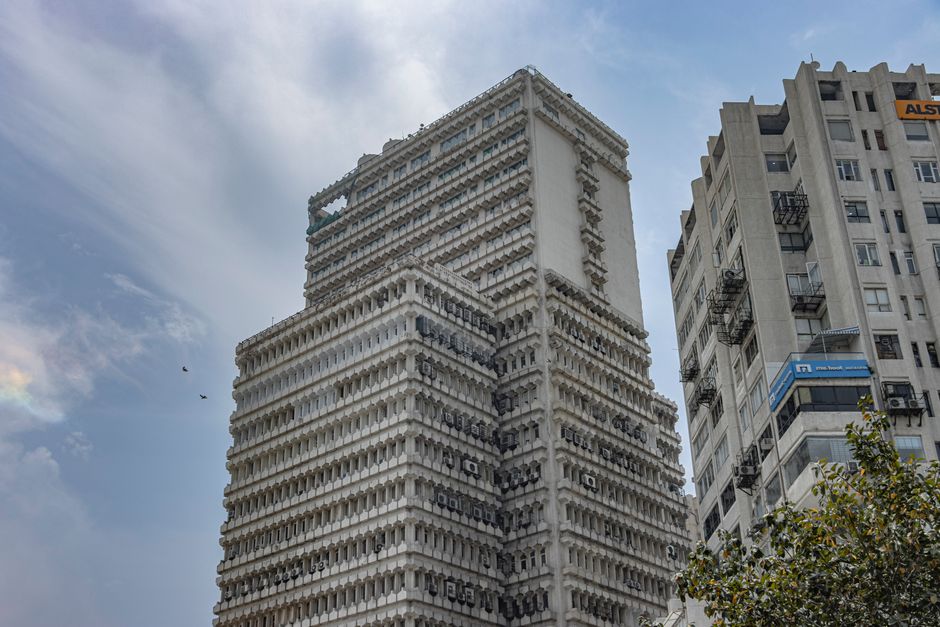
Delhi's property landscape is experiencing a fascinating realignment that defies conventional wisdom about urban housing markets. While traditionally central locations commanded premium pricing, emerging data reveals a pronounced shift toward South Delhi's gated communities and premium micro-markets, even as affordability pressures squeeze the middle market.
The Q1 2026 residential dynamics paint a nuanced picture. Premium localities in South Delhi—including Malviya Nagar, Greater Kailash, and the emerging hotspot of Vasant Kunj—are witnessing rental appreciation of 8-12% annually, significantly outpacing the broader Delhi-NCR average of 5-7%. Properties in these precincts now command ₹150-250 per square foot monthly, a trajectory driven by institutional investment and ultra-high-net-worth individual demand. Conversely, traditional Central Delhi areas around Connaught Place and the nearby commercial corridors are experiencing rental stagnation, with yields plateauing at ₹80-120 per square foot.
This bifurcation reflects deeper market dynamics. Delhi-NCR's emergence as India's leading premium housing market isn't simply about volume—it's about value concentration. Investors are increasingly recognizing that South Delhi's superior infrastructure, school quality, and lifestyle amenities command sustainable premiums. Meanwhile, the mid-market segment, historically the market's backbone, faces headwinds from rising construction costs and stricter regulatory compliance, compressing builder margins and limiting new supply.
The data tells a compelling story for different investor cohorts. For those seeking stable long-term returns, South Delhi residential properties—particularly in gated communities with 3-4 bedroom configurations—offer appreciation potential of 10-15% over three years. However, affordability-focused investors are finding unexpected opportunities in emerging satellite towns like Noida's Sector 128 and Greater Noida West, where nascent infrastructure development is attracting young professionals and families seeking value.
Pricing volatility remains a concern. While South Delhi's luxury segment appears insulated by global investor interest and limited supply, mid-market properties face downward pressure as regulatory reforms and GST compliance increase holding costs. Properties in areas like Dwarka and South Extension are particularly susceptible to price corrections if interest rates remain elevated.
For prospective buyers and investors, the 2026 forecast suggests a clear strategy: premium South Delhi properties offer capital appreciation and rental yield stability, albeit at elevated entry prices; mid-market investments require selective location analysis; and emerging peripheral markets present speculative but potentially lucrative opportunities for patient investors with 5+ year horizons. Delhi's property market isn't consolidating around a single narrative—it's fragmenting into distinct micro-economies, each with distinct risk-return profiles.
This article was compiled by AI and screened before publishing. See our editorial standards.