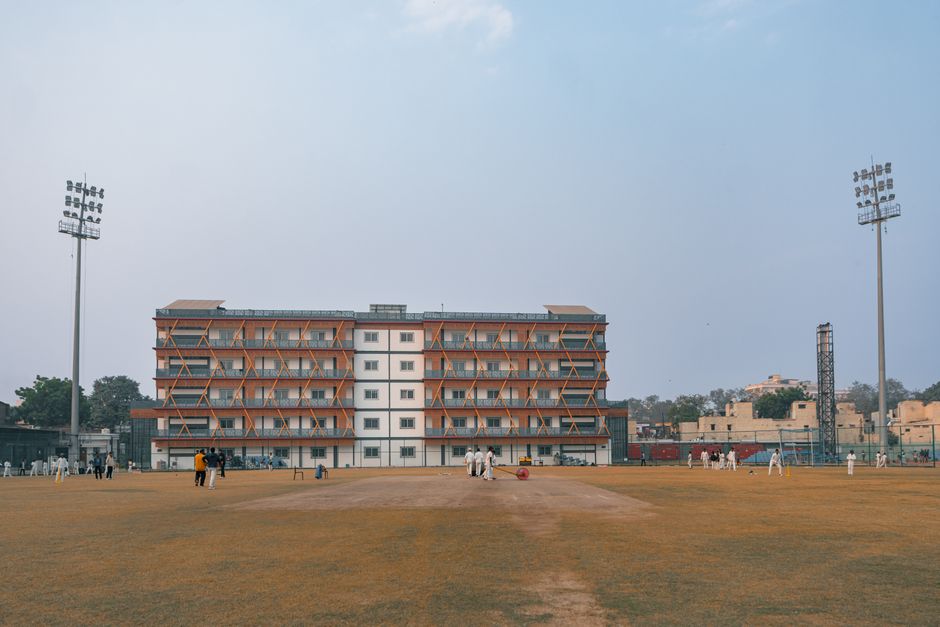
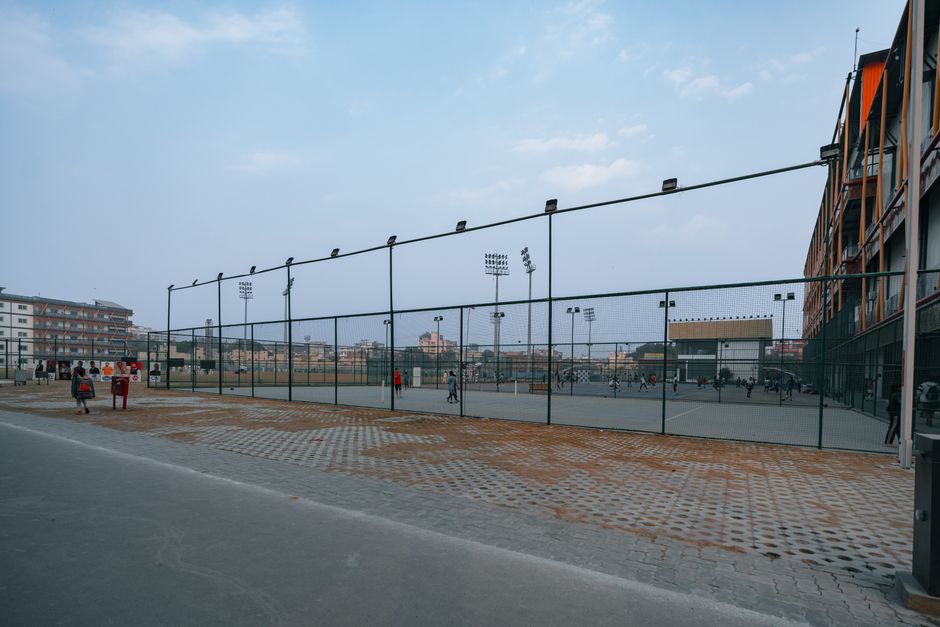
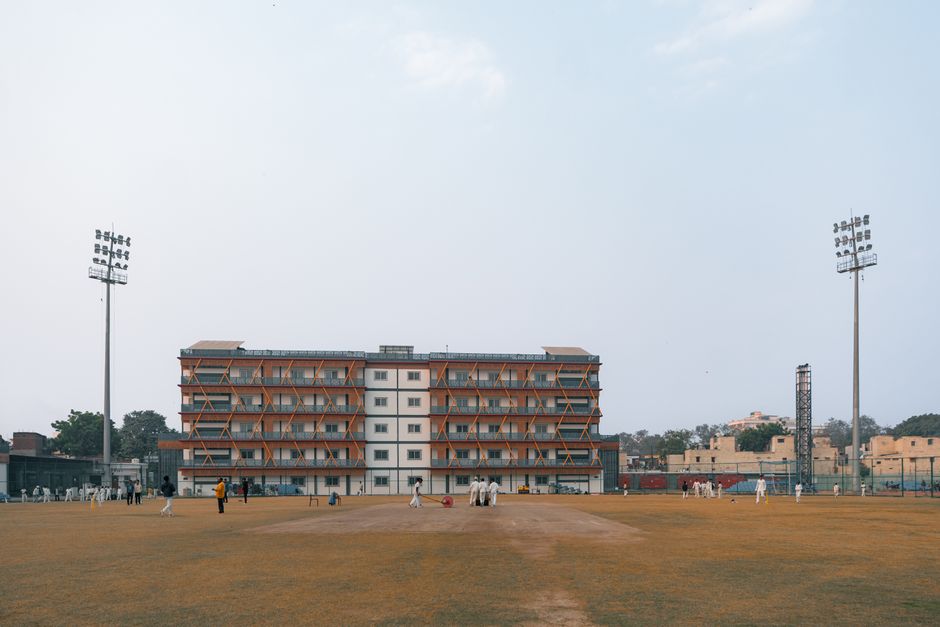
While the spotlight often falls on Delhi's grand venues—the Arun Jaitley Stadium and the Jawaharlal Nehru Stadium—a quieter sporting revolution is unfolding across the city's residential pockets. Local clubs operating from modest grounds in Dwarka, Rohini, and Malviya Nagar are redefining what it means to build community through sport.
The Delhi Sports Authority estimates that over 450 registered grassroots clubs now operate across the National Capital Region, a 35% increase since 2020. These organisations, often run by passionate volunteers, have become vital social anchors in neighbourhoods where traditional community spaces have dwindled.
Take the Malviya Nagar Cricket and Badminton Club, nestled near the Defence Colony border. Operating from a modest 8,000-square-metre facility with four courts and a practice pitch, it serves roughly 800 registered members ranging from age 6 to 65. Membership costs between ₹3,000 and ₹8,000 annually—a fraction of what premium city clubs charge. The club now runs three youth development programmes and sponsors neighbourhood cricket tournaments that draw teams from surrounding areas.
Similar success stories emerge from Rohini's United Sports Foundation and the Dwarka Youth Athletic Club, both of which have expanded to include football academies, kabaddi training, and nutrition counselling. The Dwarka club particularly stands out, having transformed an unused municipal plot into a multi-sport facility that hosts weekend community tournaments attracting 200+ spectators.
What distinguishes these operations is their deliberate focus on inclusivity. Many now offer subsidised memberships for underprivileged children, with the Rohini foundation reporting that 40% of its youth participants come from lower-income backgrounds. Several clubs have also become unexpected venues for social initiatives—conducting women's self-defence workshops, providing mental health counselling through sports, and organising inter-colony competitions that bridge socioeconomic divides.
The infrastructure, while modest, proves sufficient. A well-maintained neighbourhood ground costs one-fifth the operational expenses of a major stadium, allowing clubs to reinvest savings into coaching quality and equipment. Several have partnered with Delhi University's sports departments to bring experienced coaches into their programmes.
Municipal support remains patchy, though some neighbourhood associations have begun securing temporary land-use agreements. The real catalyst has been parental demand—Delhi's urban middle class increasingly views local clubs as alternatives to expensive commercial academies, seeking authentic community experience alongside competitive training.
As Delhi's formal sporting infrastructure reaches saturation, these grassroots clubs represent the city's next frontier: accessible, community-driven, and quietly transforming how neighbours connect through sport.
This article was compiled by AI from the sources linked above and screened before publishing. See our editorial standards.