Delhi's Amateur Sport Boom Hinges on Crumbling Courts and Aging Grounds
As recreational leagues flourish across the capital, infrastructure gaps threaten to limit growth in badminton, cricket, and basketball clubs.
As recreational leagues flourish across the capital, infrastructure gaps threaten to limit growth in badminton, cricket, and basketball clubs.
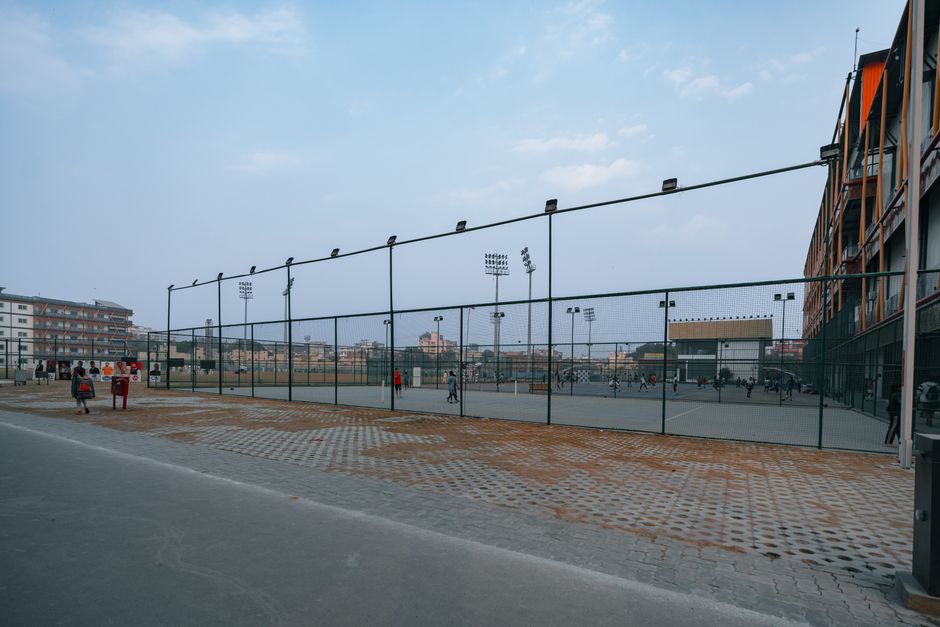
Delhi's amateur sporting landscape has experienced a quiet renaissance over the past three years, with membership in recreational cricket, badminton, and basketball leagues surging by an estimated 40 percent. Yet this growth masks a critical vulnerability: the city's aging and inadequate sports infrastructure is struggling to keep pace with demand from thousands of enthusiasts across neighborhoods from Vasant Kunj to Rohini.
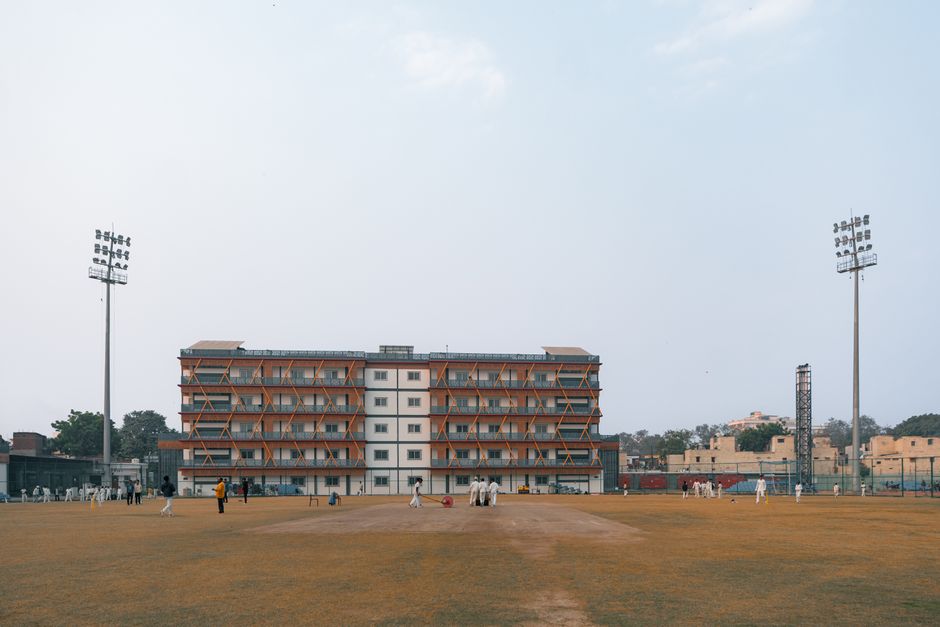
The Delhi Amateur Cricket Association oversees roughly 180 registered clubs across the metropolitan area, with over 8,000 active players. Most depend on municipal grounds in Arun Asaf Ali Road, the Feroz Shah Kotla vicinity, and scattered neighborhood parks. Yet maintenance remains inconsistent. The historic cricket pitches in Civil Lines, once the backbone of the capital's amateur circuit, operate at only 60 percent capacity due to waterlogging issues and deteriorating outfield conditions—a problem exacerbated during Delhi's monsoon season.
Badminton clubs face similar pressures. Courts in South Delhi's established facilities—particularly those in Nehrplace and near the Talkatora Stadium complex—command membership fees ranging from ₹8,000 to ₹15,000 annually, pricing out middle-income enthusiasts. Meanwhile, newer private ventures in Gurgaon's peripheral zones draw players away from traditional Delhi venues, straining the city's competitive ecosystem.
The basketball community has found pockets of innovation. The courts at Dwarka's community center and emerging initiatives near Delhi University's North Campus demonstrate what targeted investment can achieve. However, these remain exceptions. Most neighborhood associations operate with minimal funding, relying on volunteer-managed facilities that lack professional-grade surfaces, adequate lighting, or weather protection.
Municipal authorities acknowledge the gap. Delhi's Department of Sports has allocated approximately ₹45 crores toward sports infrastructure improvements in the current fiscal year, but projects remain delayed. The Siri Fort Sports Complex and Amar Jawan Park have undergone partial renovations, yet completion timelines slip regularly. Private sector involvement, increasingly common in Mumbai and Bangalore, remains limited in Delhi, partly due to regulatory constraints and land access difficulties.
Club organizers emphasize that infrastructure deficits directly impact player retention and competitive standards. Without reliable, well-maintained venues, Delhi's recreational leagues risk losing momentum precisely when participation is accelerating. The challenge facing policymakers is clear: sustain this sporting enthusiasm through strategic infrastructure investment, or watch as Delhi's amateur athletes migrate toward better-equipped cities seeking serious competition and professional facilities.
This article was compiled by AI from the sources linked above and screened before publishing. See our editorial standards.
How does this story make you feel?
Spread the word
About this article
Published by The Daily Delhi
Daily brief
Free, in your inbox before 7am. Weekdays.
More in Sport