Delhi's transformation into a world-class sporting destination has accelerated dramatically over the past five years, with significant capital investment reshaping how the city's athletes train, compete, and inspire the next generation. The infrastructure supporting sport locally now spans from internationally recognized Olympic venues to neighbourhood-level facilities that democratize access to athletic training.
The Jawaharlal Nehru Stadium at India Gate remains the jewel in Delhi's sporting crown. Constructed for the 1982 Asian Games, the 60,000-capacity venue has undergone multiple renovations, most recently modernizing its technical facilities for international cricket, athletics, and multi-sport events. Located along the Rajpath corridor, it serves as both a professional arena and community hub, hosting everything from national championships to grassroots athletics camps that attract over 3,000 participants annually.
Beyond this flagship venue, Delhi has developed a sophisticated network of specialized facilities. The Indira Gandhi Indoor Stadium in central Delhi provides 4,000 seats for badminton, basketball, and volleyball, while the Arun Jaitley Stadium (formerly Feroz Shah Kotla) in Daryaganj continues its storied tradition as home to Delhi cricket. The Siri Fort Sports Complex in south Delhi encompasses tennis courts, swimming pools, and modern training facilities, attracting serious athletes alongside recreational users.
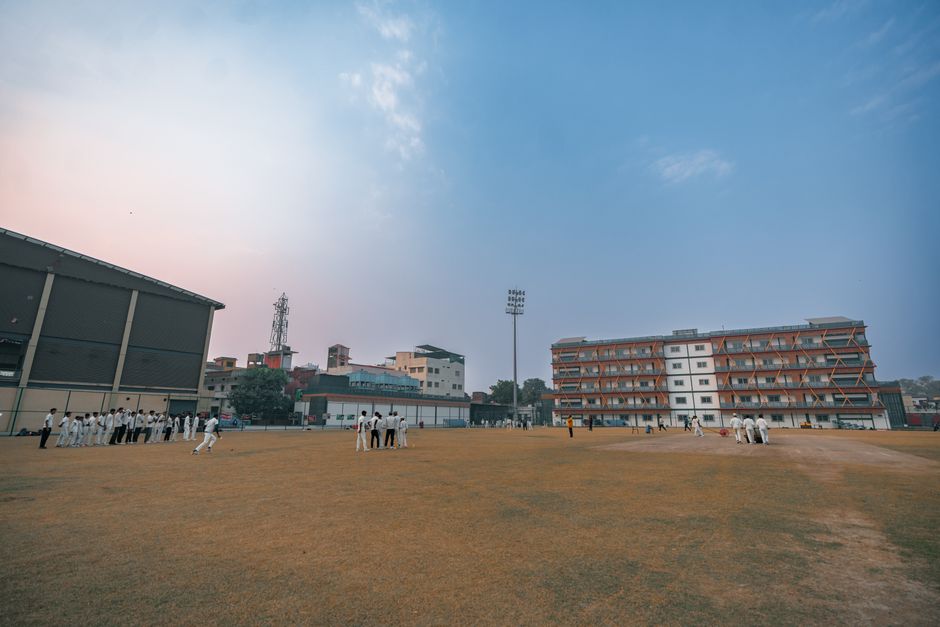
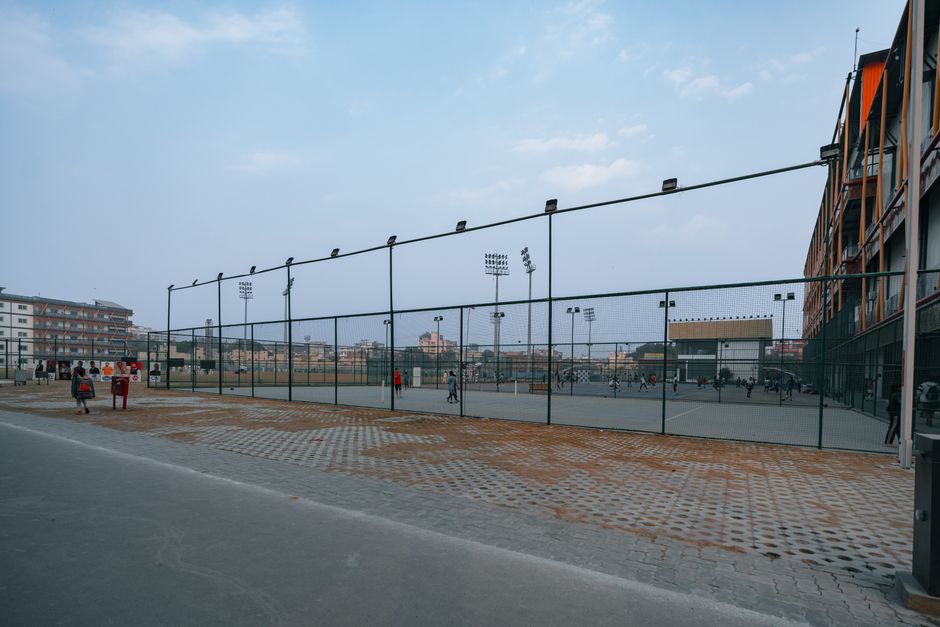
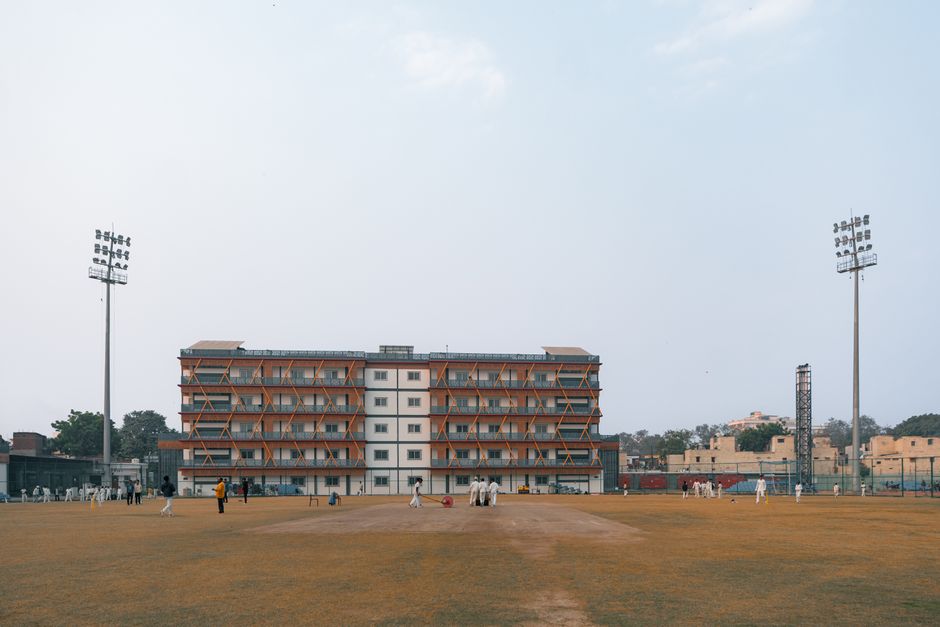
What distinguishes Delhi's current infrastructure push is investment in community-level facilities. The Delhi government's Sports Authority operates over 350 sports complexes across the capital, with particular concentration in South Delhi neighbourhoods like Mehrauli and Chhatarpur, where newly upgraded grounds now feature synthetic cricket pitches, basketball courts, and athletic tracks. Annual maintenance budgets have increased by approximately 35 percent since 2023, improving facility standards significantly.
However, challenges persist. Overcrowding remains an issue—the JLN Stadium's popularity means peak-hour booking slots fill weeks in advance. Some neighbourhood facilities still lack adequate floodlighting, limiting evening access. Infrastructure in peripheral areas like Dwarka and Greater Noida, while expanding, lags behind central Delhi's provision.
Looking forward, the Delhi Sports Authority's five-year plan targets completing 50 new mini sports complexes by 2028, with emphasis on underserved areas. These developments aim to create a genuine network where elite athletes share infrastructure pathways with grassroots participants—a model increasingly recognized as essential for sustainable sporting development in metropolitan India.
This article was compiled by AI from the sources linked above and screened before publishing. See our editorial standards.