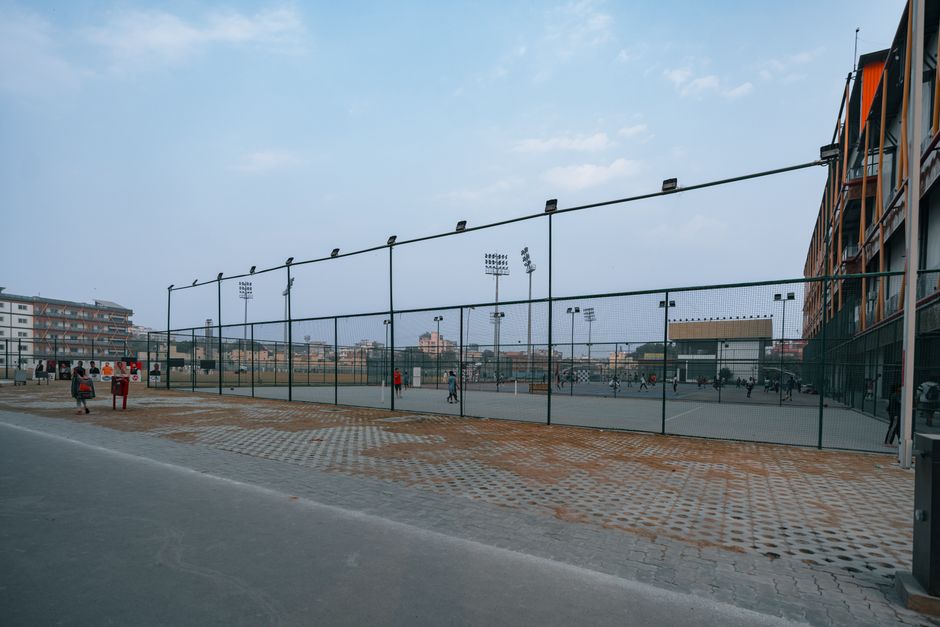
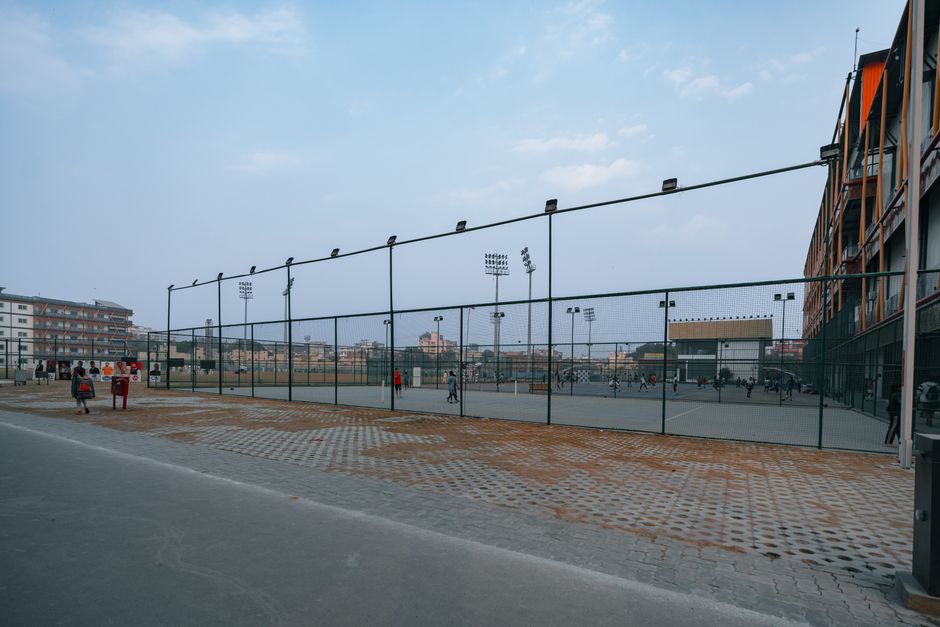
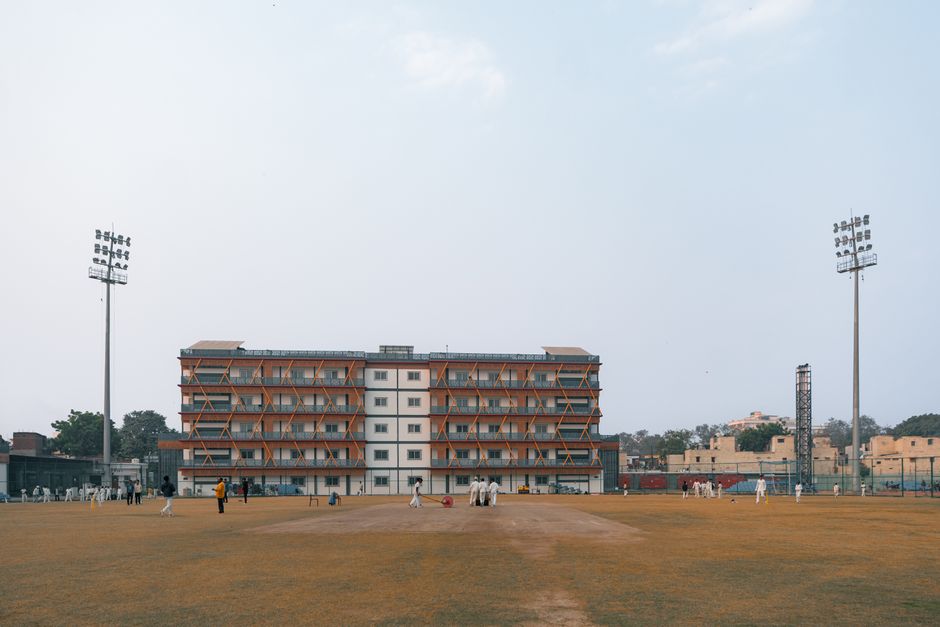
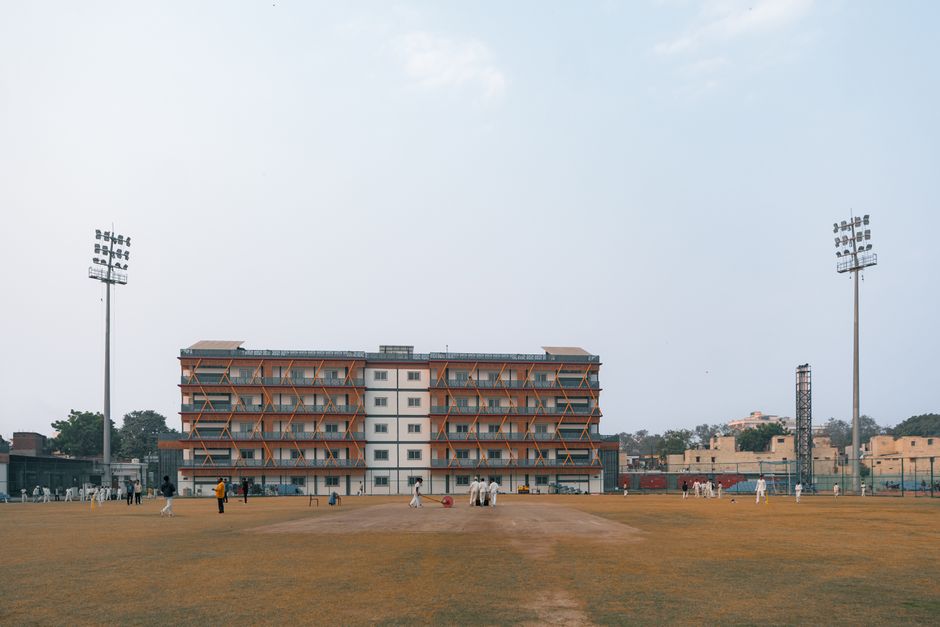
Walk along the Yamuna banks near the Nizamuddin Bridge on any Saturday morning, and you'll find something quietly remarkable happening on the dusty pitches: Delhi's grassroots football revolution is in full swing. While the Indian Super League captures television screens and corporate sponsorships, a network of community-driven clubs is reshaping how football functions as a unifying force across the capital's diverse neighbourhoods.
In South Delhi's Defence Colony and East Delhi's Geeta Colony, clubs like Yamuna United and Shahdara Strikers have moved beyond traditional competitive models. These organisations now operate as social enterprises, charging nominal membership fees—often as little as ₹500 per season—while offering coaching, nutrition guidance, and educational support to over 2,000 young players collectively. The impact extends beyond football: several clubs have partnered with local NGOs to run evening literacy programmes, with pitch access granted free to underprivileged children during non-match hours.
"Football was once seen as a luxury in these areas," explains the community development officer at a major West Delhi federation, speaking on condition of anonymity. "Now we're seeing families across income brackets investing in it—not for professional dreams necessarily, but for discipline, fitness, and belonging." The data supports this: participation in Delhi's registered grassroots clubs has grown by approximately 35 percent over the past three years, with female membership increasing by 48 percent.
The venues themselves tell stories of resourcefulness. Clubs operating near Dwarka's government parks have invested in basic infrastructure improvements—modest floodlighting, drainage systems—through crowdfunding and local business partnerships. A small electronics shop owner in Rohini has sponsored kits for an entire under-14 squad. Street vendors near Rajpath have donated equipment. These aren't multi-crore franchises; they're neighbourhood institutions with ₹2-5 lakh annual budgets, maximising every rupee.
The model is proving contagious. Inter-colony tournaments have become neighbourhood events, drawing hundreds of spectators and fostering unexpected camaraderie between traditionally segregated residential clusters. Parents volunteer as ground staff. Retired coaches offer free sessions. Local journalists cover matches in community newsletters.
Delhi's football ecosystem now operates on two parallel tracks: the glamorous professional circuit and this thriving grassroots landscape. While one generates headlines, the other quietly generates something arguably more valuable—resilient communities where a football pitch becomes a gathering place, a school, and a symbol of collective aspiration. As the capital continues its rapid transformation, these clubs remind us that sport's greatest power often lies not in stadiums, but in the neighbourhoods where it's played.
This article was compiled by AI from the sources linked above and screened before publishing. See our editorial standards.