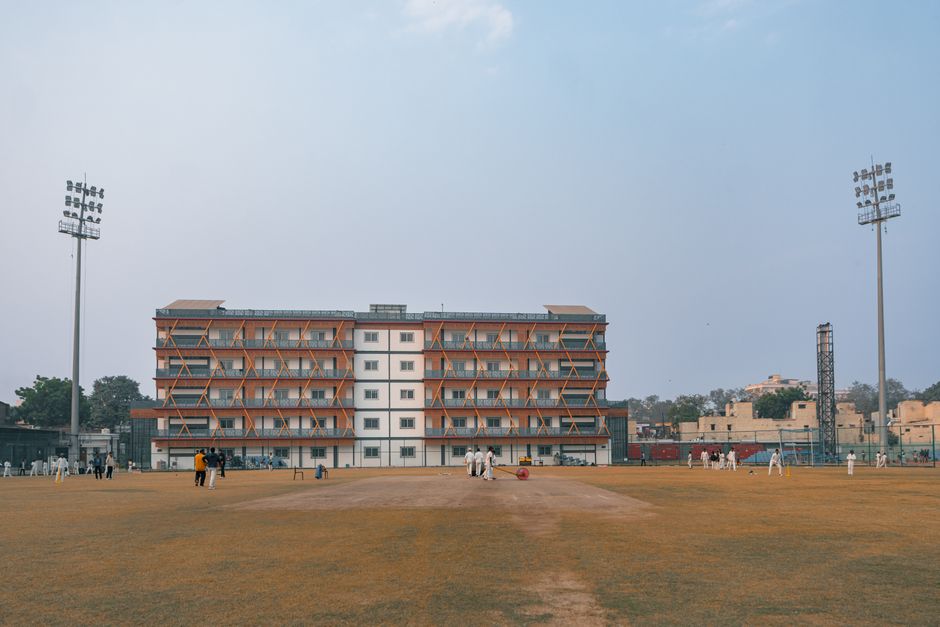
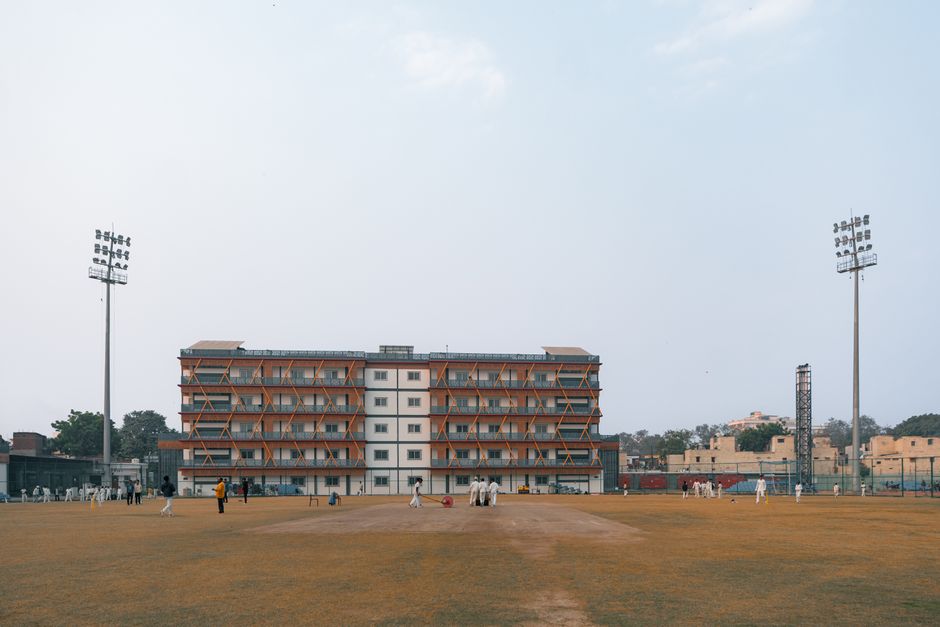
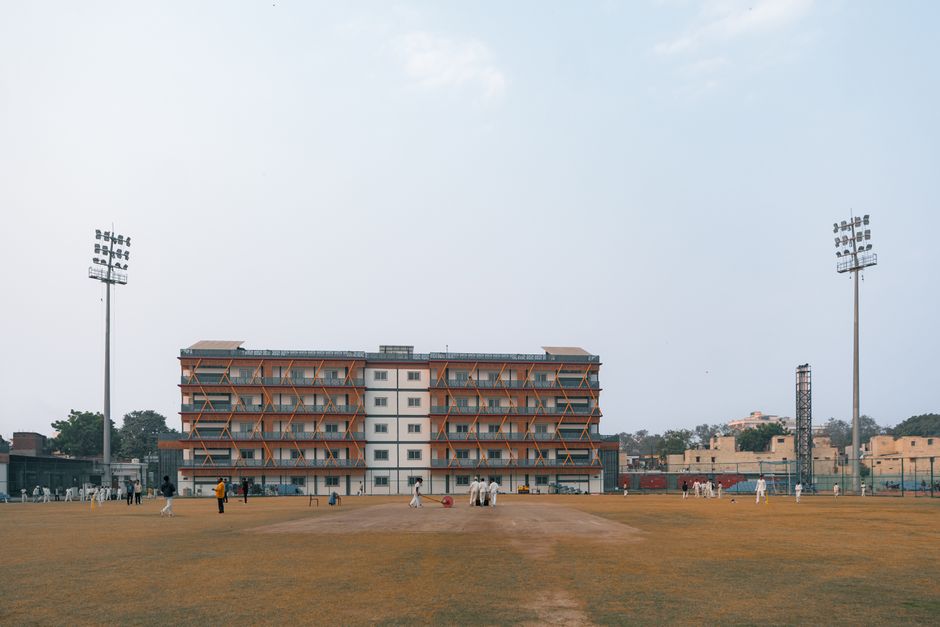
The Delhi Amateur Cricket League's summer season has reached its crescendo. As of late June, six teams remain in contention across the elite division, with the finals scheduled for mid-July at the Arun Jaitley Stadium grounds and secondary venues across the city. For recreational players juggling day jobs and family commitments, these final weeks represent the culmination of four months of early-morning practice sessions and weekend fixtures.
The competition, organised by the Delhi Amateur Cricket Association, draws over 2,400 registered players across 47 clubs spanning neighbourhoods from Noida City Centre to South Delhi's Kalkaji. Entry fees hover around ₹15,000 per team for the season, making it accessible to middle-class enthusiasts while maintaining professional standards. The league structure—with preliminary rounds at local grounds in Mayur Vihar, Rohini, and near the Ridge—has democratised competitive cricket in the capital.
This year's semi-final lineup tells a story of surprising upsets. The defending champions from the Vasant Kunj Cricket Club enter as favourites, but a spirited underdog squad representing the Shahdara District Association has captured attention with a seven-match winning streak. Their matches at the Talkatora Stadium have drawn crowds exceeding 300 spectators—remarkable for amateur cricket. Meanwhile, teams representing corporate groups and housing societies are pushing established players to sharpen their skills.
The finals format runs best-of-three, with matches spread across weekends to accommodate working professionals. Streaming arrangements through the DACA's YouTube channel have expanded viewership beyond traditional spectators, with an estimated 5,000 online followers tracking standings and highlights. Prize money—₹3 lakh for winners, ₹1.5 lakh for runners-up—provides meaningful incentive despite the amateur designation.
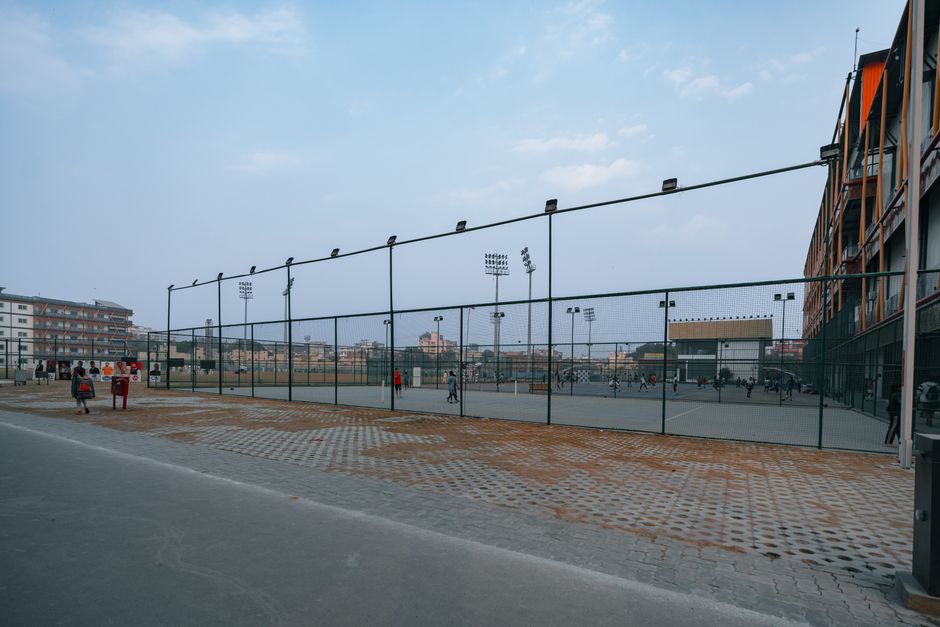
Venue management has improved notably. The three primary grounds hosting finals—Arun Jaitley Stadium's secondary pitches, Talkatora, and the newly renovated Mehrauli ground—all feature adequate training facilities and basic hospitality. Tournament organisers report a 23% increase in women's participation this season, with three all-women teams now competing in parallel divisions across South and East Delhi clusters.
For Delhi's recreational cricket community, these finals represent far more than sporting achievement. They validate the thousands of hours invested by amateurs balancing careers, family, and passion. As the city enters July's heat, the intensity on these pitches will only grow hotter.
This article was compiled by AI from the sources linked above and screened before publishing. See our editorial standards.