Delhi's Youth Sport Revolution Hinges on Crumbling Courts and Shared Fields
As grassroots clubs battle outdated infrastructure, the capital's next generation of athletes faces an uneven playing field.
As grassroots clubs battle outdated infrastructure, the capital's next generation of athletes faces an uneven playing field.
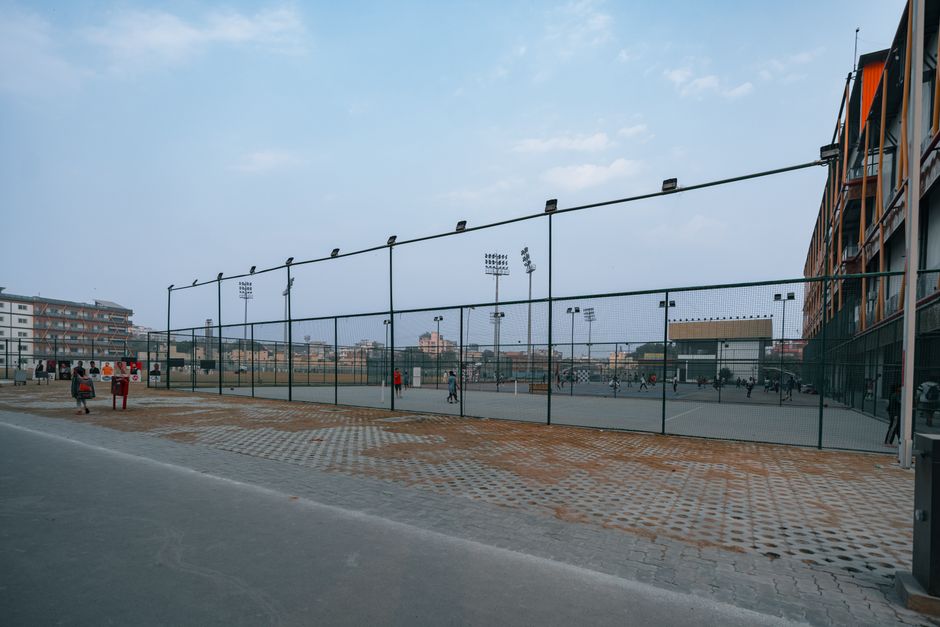
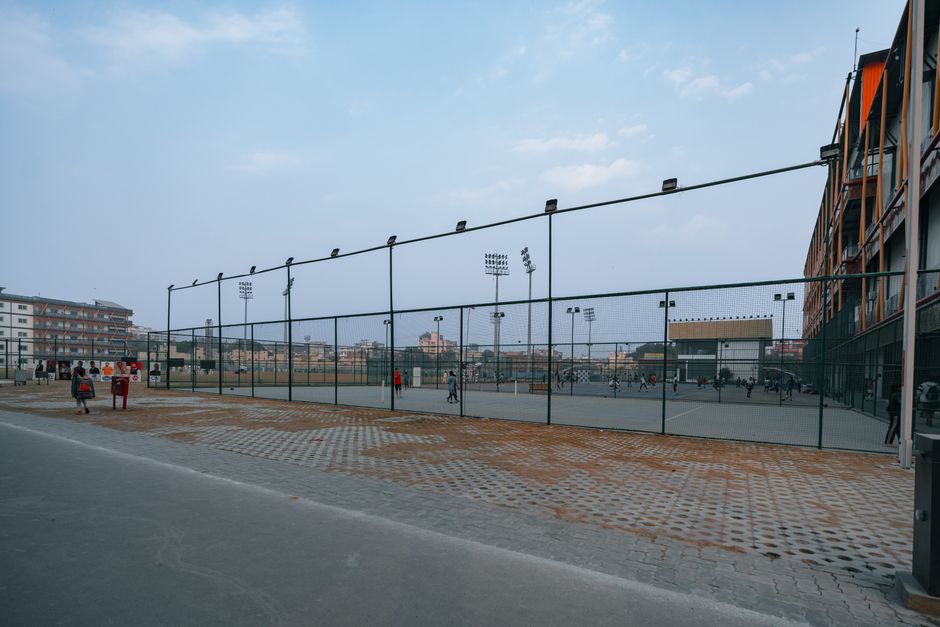
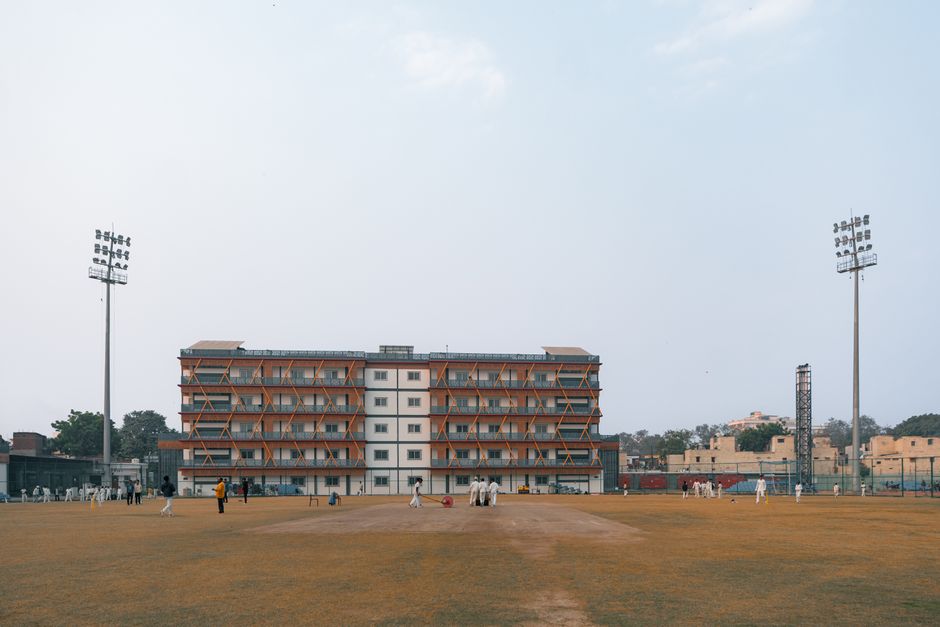
Walk through Lodhi Colony on any weekday evening and you'll see Delhi's sporting heart in motion: children darting across dusty badminton courts, teenagers queuing for table tennis slots, young cricketers sharing a single pitch. Yet beneath this vibrant scene lies a critical infrastructure crisis threatening to derail the city's youth sport development at its foundation.
The Delhi Sports Authority operates approximately 150 community sports complexes across the capital, but maintenance backlogs and capacity constraints remain endemic. A facility audit from early 2026 revealed that fewer than 40% of DSA-run venues met international standards for junior training programmes. In South Delhi neighbourhoods like Greater Kailash and Malviya Nagar, where club memberships range from ₹3,000 to ₹8,000 annually, infrastructure gaps are widening the divide between elite junior athletes and those from middle-income backgrounds.
The Delhi Lawn Tennis Association's courts near India Gate remain oversubscribed, with waiting lists extending beyond two years for evening slots. Similarly, the Arun Jaitley Stadium's indoor facilities—critical for badminton and table tennis development—operate at 110% capacity during peak hours. "We're rationing training time," says one coach at a prominent east Delhi badminton academy, requesting anonymity. "Three-hour sessions have become 90-minute rotations."
Private clubs have partially plugged the gap. Venues like the Delhi Gymkhana and Rajpath Club maintain world-class facilities, but membership costs of ₹1.5 to 2.5 lakhs annually exclude most grassroots talent. Mid-tier alternatives—such as facilities in Dwarka and Noida's adjacent sectors—have emerged as lifelines, though commute times of 45 minutes to an hour challenge working parents and students.
Municipal corporation playgrounds across Karol Bagh, Chandni Chowk, and outer Delhi wards offer free or nominal-cost access, but structural repairs and basic amenities remain inadequate. The Delhi government's 2025-26 sports infrastructure budget allocation of ₹280 crores, while substantial, remains insufficient for the city's 1.3 million school-age athletes.
Recognising this crisis, several NGOs including the All India Sports Council have launched facility-sharing models, partnering schools with professional clubs to optimise court usage. Early results show promise, but scaling across Delhi's fragmented administrative boundaries requires coordinated planning.
As Delhi aspires to host larger international tournaments, grassroots infrastructure paradoxically deteriorates. Without urgent investment in maintenance, court renovation, and equitable access models, the city risks developing a two-tier athlete ecosystem where facility access, not talent, determines who reaches India's national teams.
This article was compiled by AI from the sources linked above and screened before publishing. See our editorial standards.
How does this story make you feel?
Spread the word
About this article
Published by The Daily Delhi
Daily brief
Free, in your inbox before 7am. Weekdays.
More in Sport