From Parking Lots to Pavilions: How Delhi's Grassroots Movement Built a Fitness Revolution
Across neighbourhoods from Lajpat Nagar to Dwarka, community-led training collectives are reshaping how ordinary Delhiites approach sport and wellness.
Across neighbourhoods from Lajpat Nagar to Dwarka, community-led training collectives are reshaping how ordinary Delhiites approach sport and wellness.
On a humid Tuesday morning in Lodhi Garden, dozens of runners gather before sunrise—no membership cards, no corporate logos. This scene, repeated across Delhi's parks and open spaces, reflects a quiet revolution: the rise of grassroots fitness communities that have fundamentally altered the city's relationship with sport and training.
What began five years ago as informal joggers' groups has evolved into a structured ecosystem of neighbourhood fitness collectives. According to fitness tracking data from community-run initiatives, Delhi now hosts over 200 active grassroots sports groups, spanning everything from running clubs to functional training circles. The average membership costs ₹500-1,500 annually—a fraction of the ₹4,000-8,000 monthly fees charged by commercial gyms in South Delhi's upscale pockets.
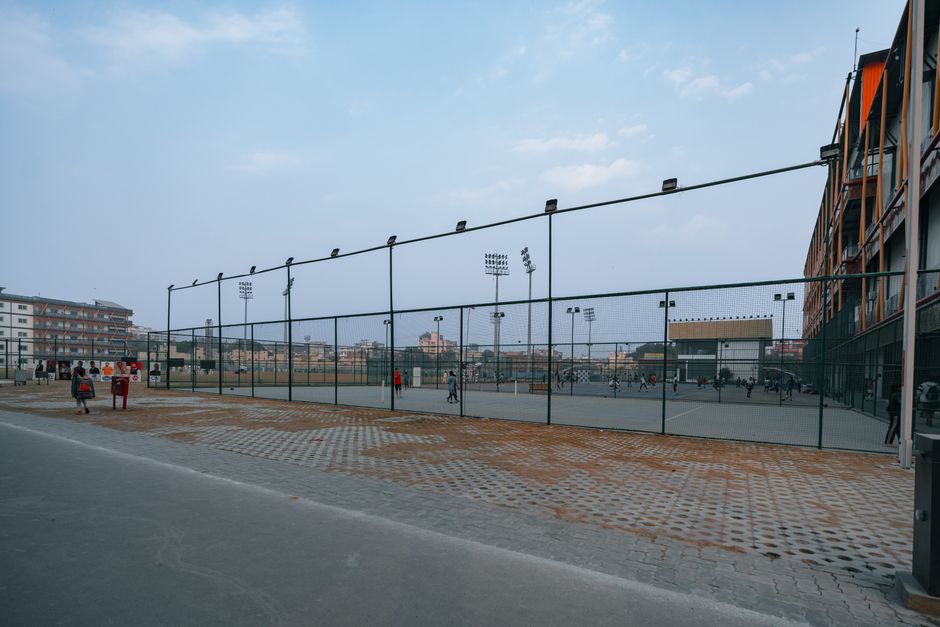
The movement's strength lies in accessibility and authenticity. In Dwarka's Sector 8 open ground, residents transformed unused municipal space into a training hub. Similar initiatives have taken root in Rohini, Vasant Kunj, and Greater Noida, where local volunteers—often semi-professional athletes or fitness enthusiasts—lead sessions without formal certification. These grassroots coaches operate on passion rather than profit, creating communities bound by shared goals rather than contract obligations.
"The transformation is structural," explains fitness researcher Rajesh Kumar from Delhi University's sports science department. "Traditional gyms served individual aspirations. Community movements address collective wellbeing."
Surveys conducted by local wellness NGOs reveal that 67% of grassroots fitness participants cite community accountability as their primary motivation—more significant than any physical result. Groups like the Lajpat Nagar Running Collective and South Delhi Strength Circle have developed peer mentorship systems where experienced members guide newcomers without hierarchical gym culture.
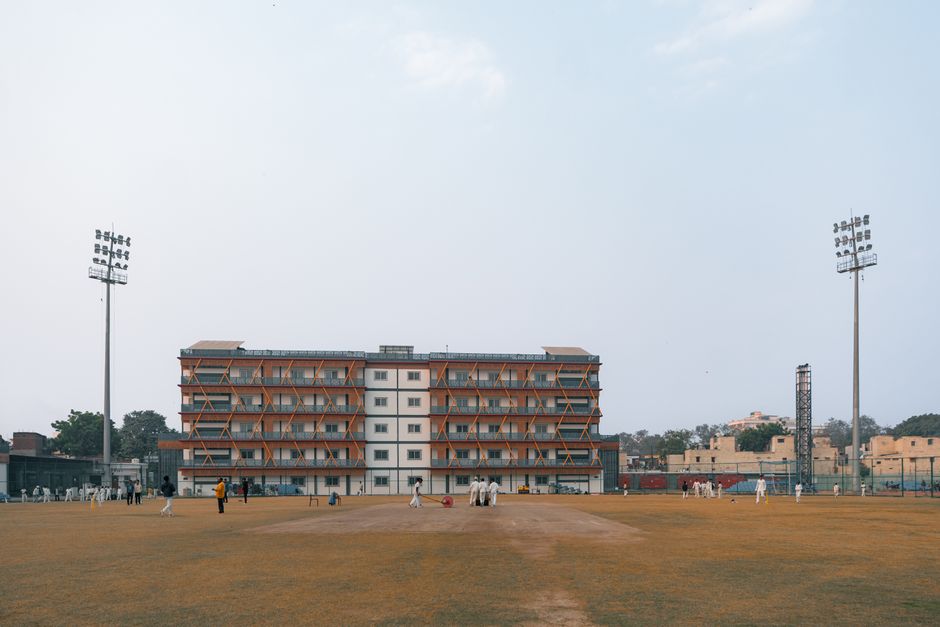
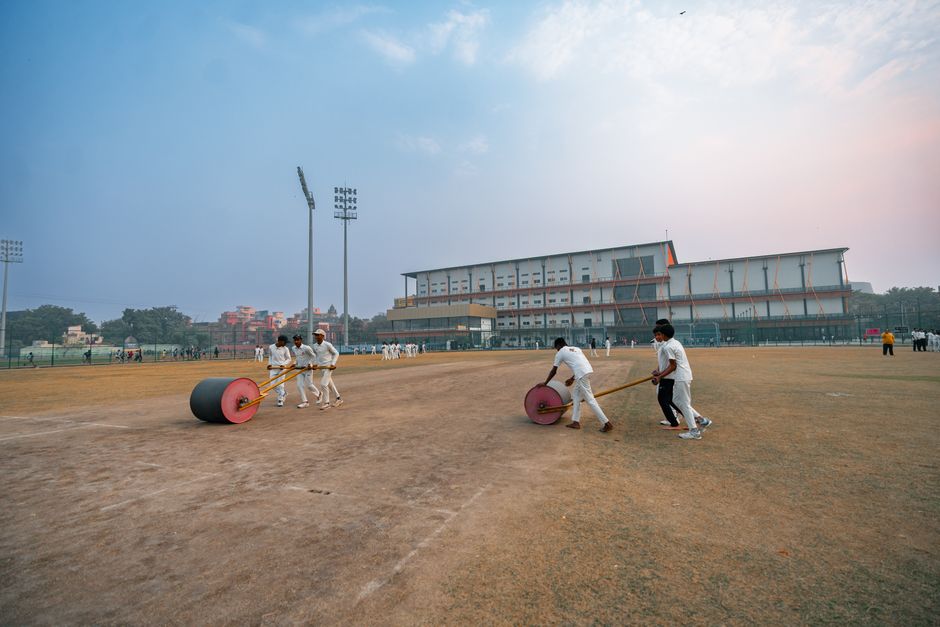
The movement has diversified beyond conventional fitness. Cricket academies in Chhatrasal Stadium's surrounding neighbourhoods now blend formal coaching with community-driven skill-sharing. Women-only fitness circles in Karol Bagh and Safdarjung have created safe spaces previously unavailable in male-dominated gym environments.
Technology amplified grassroots momentum. WhatsApp groups and local fitness apps coordinate 40,000+ Delhi participants monthly. Yet the movement's soul remains analog: personal relationships, neighbourhood identity, and mutual encouragement.
As commercial gyms report stagnating memberships, Delhi's grassroots fitness culture has captured the city's imagination. What started in parks has become a statement about how Delhiites choose to build healthier lives—together, locally, affordably. The parking lots and open grounds have become more than training spaces; they're neighbourhood anchors redefining wellness as collective action.
This article was compiled by AI from the sources linked above and screened before publishing. See our editorial standards.
How does this story make you feel?
Spread the word
About this article
Published by The Daily Delhi
Daily brief
Free, in your inbox before 7am. Weekdays.
More in Sport