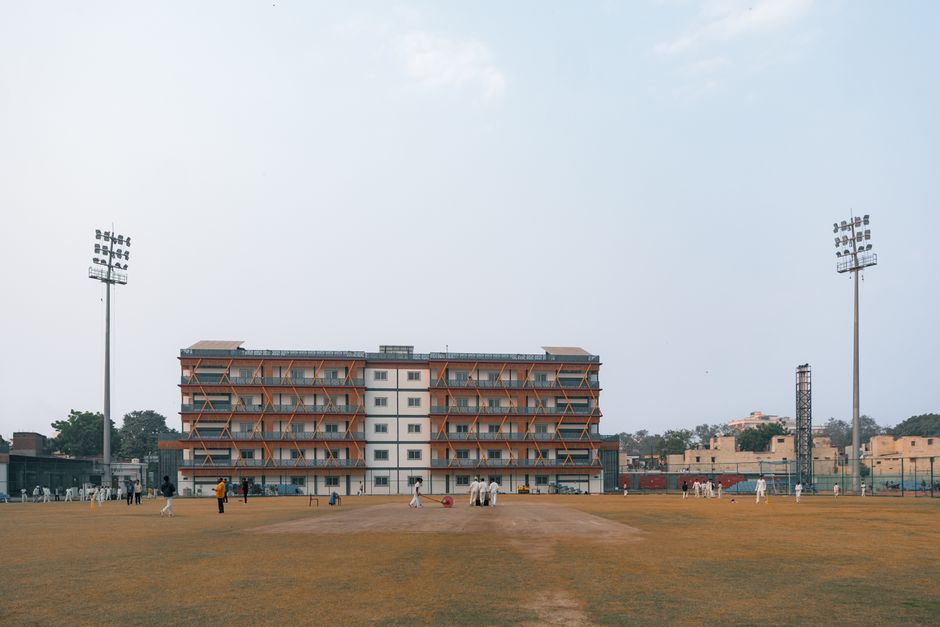
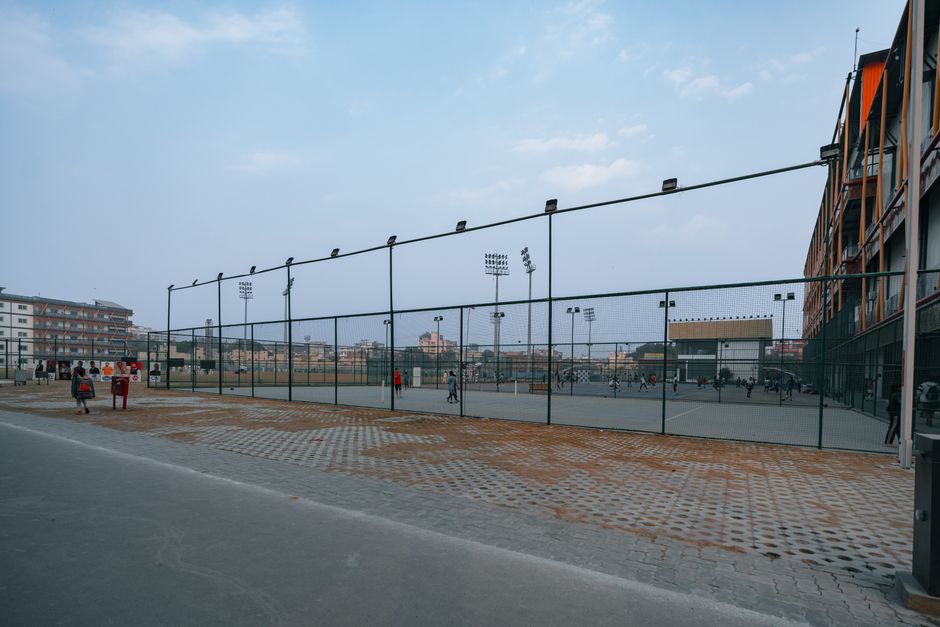
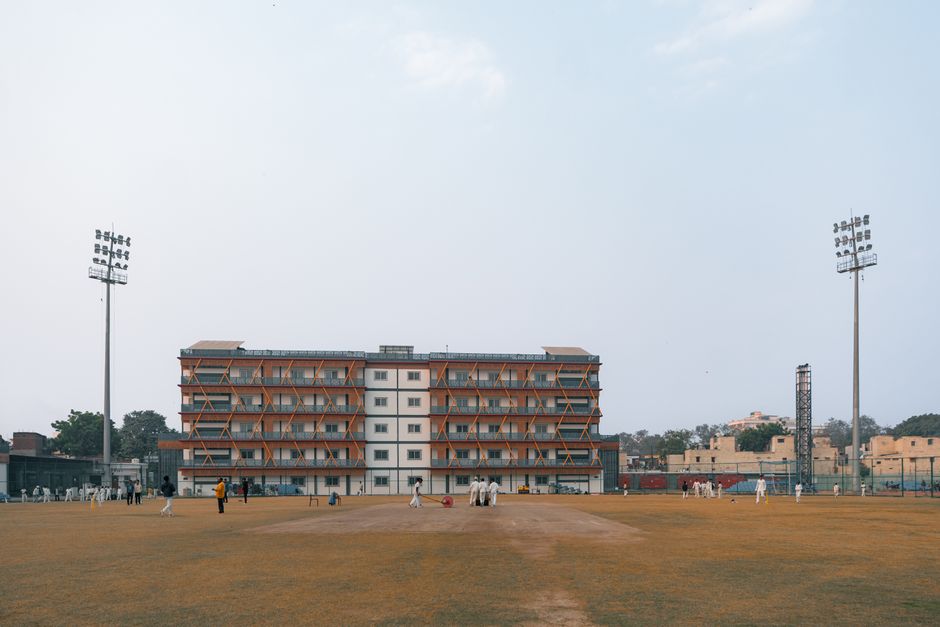
On a scorching June evening in Rohini, forty teenagers gather around a makeshift badminton court behind a primary school. The net is frayed, the shuttlecocks worn, but the energy is unmistakable. This is where Delhi's grassroots sports movement quietly thrives—far from the gloss of premium academies and celebrity coaching franchises.
The Rohini Youth Sports Foundation, established in 2019 by a group of retired physical education teachers, now serves over 1,200 children across five neighbourhoods. Monthly fees average ₹500-800, roughly one-tenth the cost of elite coaching centres in South Delhi. "We didn't want talent to be determined by a family's bank account," says the organisation's programme coordinator, explaining how they've created pathways for children from Harsh Vihar, Mundka, and Aman Vihar to access structured coaching in badminton, table tennis, and athletics.
This model is replicating across the city. The Dakshin Puri Sports Collective, operating from converted municipal grounds, trained 34 state-level competitors last year. The Dwarka Community Lawn Tennis Initiative transformed an abandoned public park into a functioning facility with donated equipment and volunteer groundskeeping. These aren't organisations with corporate sponsors or five-star infrastructure—they're neighbourhood movements built on collective investment.
Delhi's Department of Sports and Youth Affairs has recognized the impact. In 2025, the city allocated ₹8.5 crore specifically for grassroots development grants, up from ₹4.2 crore in 2023. Still, funding remains fragmented. Most grassroots clubs operate on thin margins, dependent on membership fees, local business contributions, and volunteer hours that often go uncounted.
The ripple effects are measurable. Delhi's representation at the National School Games has increased 22% since 2022, with a significant proportion emerging from grassroots pipelines rather than elite academies. More significantly, retention rates tell a deeper story—these clubs report 68% of enrolled children continuing sports participation into their teens, compared to the national average of 34%.
Yet challenges persist. Most grassroots facilities lack proper lighting, forcing evening sessions into darkness or early mornings. Equipment remains a constant bottleneck. Coaching certification standards vary wildly across organizations. Infrastructure in peripheral areas like Mehrauli and Najafgarh remains severely limited.
Still, on grounds across Delhi—from the banks of the Yamuna in Kalkapur to the residential colonies of Greater Noida West—the movement persists. Volunteers coach. Communities fund. Children aspire. It's unglamorous, underfunded, and absolutely essential. Delhi's future champions aren't being built in isolation; they're being built together, one neighbourhood at a time.
This article was compiled by AI from the sources linked above and screened before publishing. See our editorial standards.