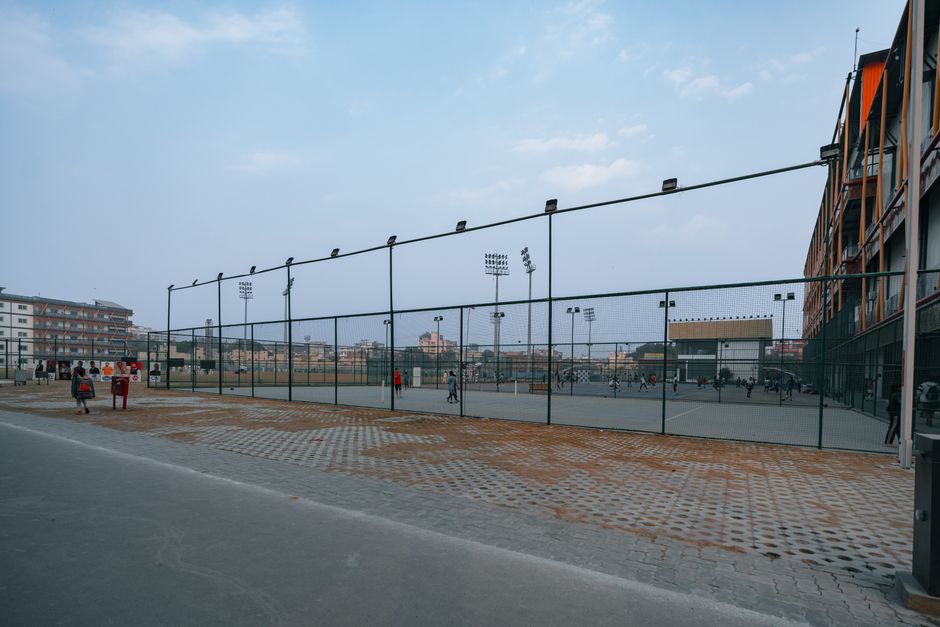
On any weekday evening, the courts at Siri Fort Sports Complex hum with activity. Badminton clubs that charge members between ₹3,000 and ₹5,000 annually are running at near capacity, with waiting lists stretching months. But the real story isn't about overcrowding—it's about what happens beyond the net.
Delhi's recreational sports ecosystem has experienced a quiet renaissance over the past two years. Amateur leagues and community clubs across the city are not merely growing in numbers; they're evolving into genuine social anchors in neighbourhoods where residents increasingly work from home and hunger for structured social connection.
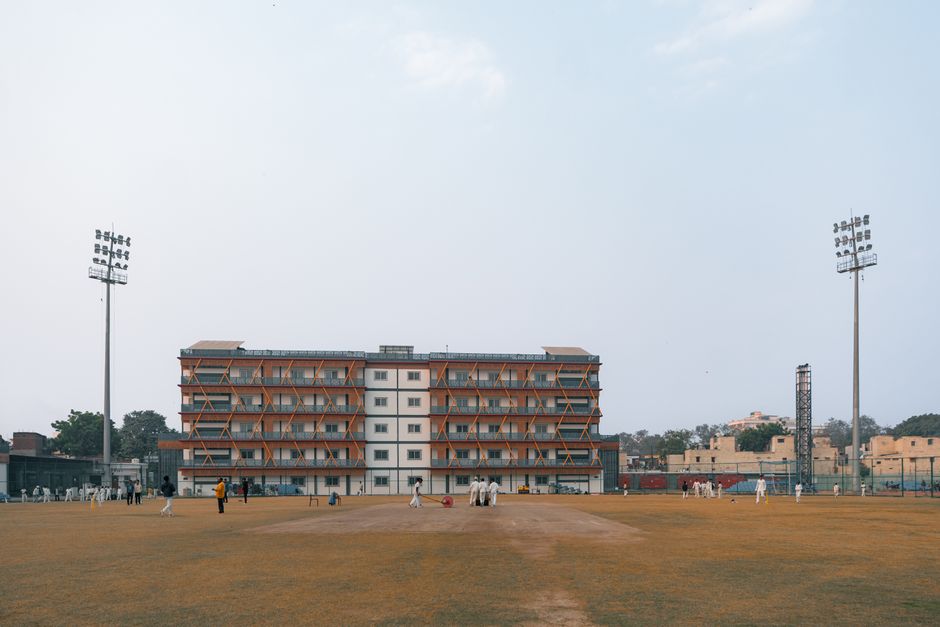
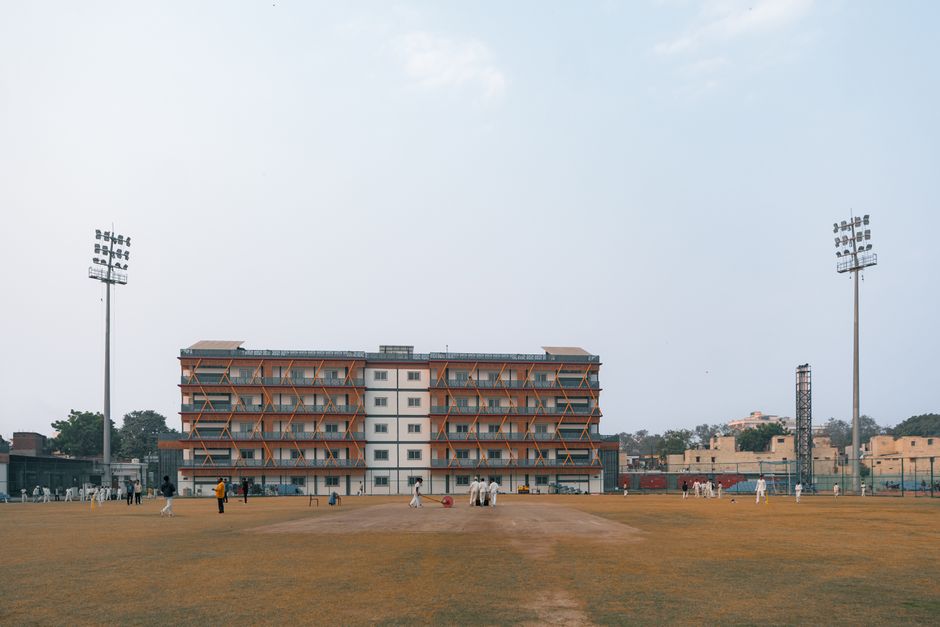
The Delhi Amateur Cricket League, which operates across grounds in Aravalli, Greater Noida, and East Delhi, now hosts over 180 registered teams spanning 25 localities. Membership fees range from ₹500 to ₹2,000 per season—deliberately kept accessible. "We've deliberately stayed local," says the league's operational coordinator. "Clubs in Rohini, Dwarka, and Mayur Vihar now have their own sub-leagues. Players aren't driving across the city anymore; they're playing with their neighbours."
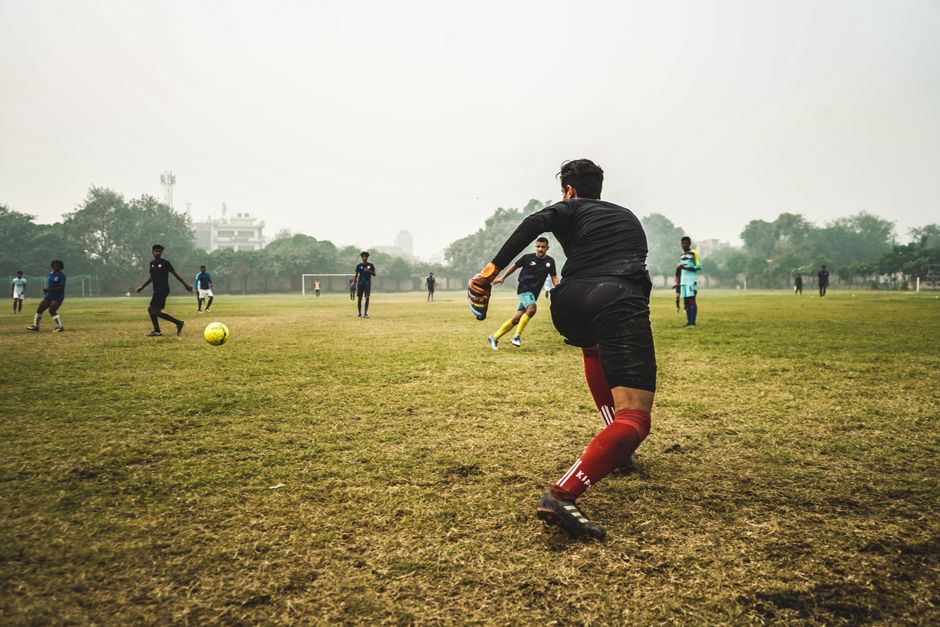
Similar patterns emerge in other sports. Tennis clubs in Defence Colony and Safdarjung Enclave report 40% increases in recreational membership since 2024. Basketball courts operated by NGOs in Kalkaji and Chattarpur are running evening tournaments that draw families, not just competitive athletes. The Delhi Table Tennis Association's amateur circuit now includes clubs in 15 residential societies across South Delhi alone.
What distinguishes this movement from the fitness app phenomenon is tangibility. These clubs require showing up—to a specific court, at a specific time, with specific people. In a metropolis of 30 million where anonymity is default, that commitment matters.
Costs remain manageable for most middle-class Delhiites. A household might spend ₹8,000-₹15,000 annually to have one family member participate in a club sport. Compare that to gym memberships or weekend activities, and recreational sports clubs offer better value alongside genuine community integration.
Infrastructure remains the limiting factor. Many clubs operate on municipal grounds with aging facilities. The Delhi Sports Authority has allocated ₹45 crore toward upgrading 60 community courts over three years, but demand outpaces supply in popular neighbourhoods.
Yet the momentum is undeniable. Amateur sports clubs are filling a specific human need in Delhi's fast-paced urban context—they're places where belonging isn't transactional, where consistency builds relationships, and where a Tuesday evening badminton match becomes the social cornerstone of an entire residential community.
This article was compiled by AI from the sources linked above and screened before publishing. See our editorial standards.