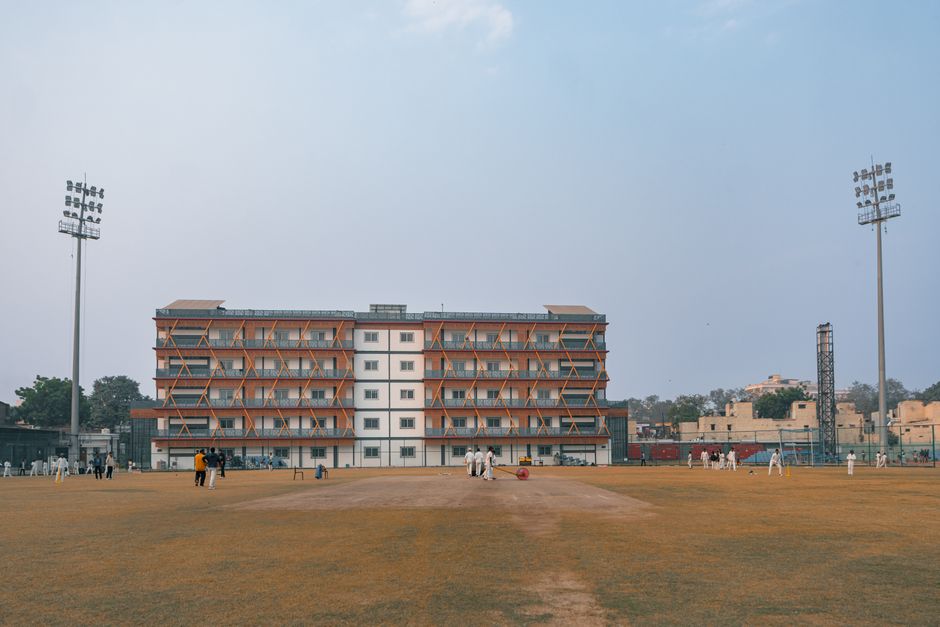
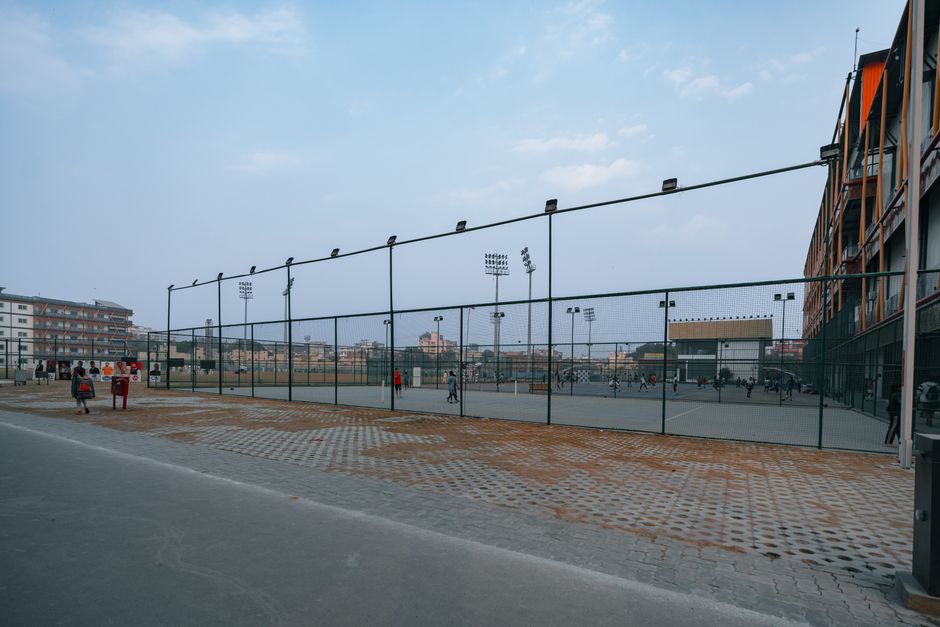
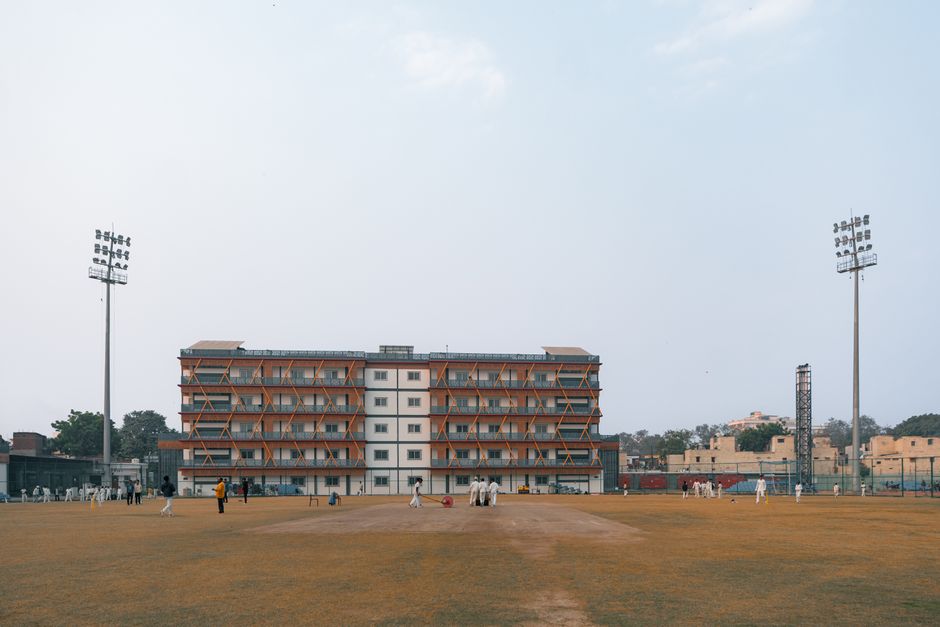
The cricket pitch at Arun Nagar Ground in West Delhi hums with activity every Saturday morning. But these aren't professional players preparing for tournaments. They're accountants, software engineers, and marketing executives who've joined one of the city's fastest-growing amateur cricket leagues. This scene, replicated across Delhi's neighbourhoods, tells a compelling story about how the capital's fitness culture is transforming.
Recent data from recreational sports organisations reveals that participation in amateur leagues has surged 34% over the past two years. The Delhi Amateur Sports Association, which oversees roughly 240 registered clubs, recorded 18,400 active members in 2024—up from 13,700 in 2022. Similar growth patterns appear in volleyball leagues in Sector 8, Rohini; badminton clubs around Khan Market; and the increasingly popular kabaddi circuits in South Delhi neighbourhoods like Greater Kailash and Malviya Nagar.
What's driving this boom? Accessibility plays a major role. Monthly membership fees for neighbourhood clubs typically range from ₹800 to ₹2,500, making organised sport affordable for Delhi's expanding middle class. The Chattarpur Sports Complex and facilities around the Yamuna Sports Complex have democratised access to courts and grounds. Simultaneously, corporate wellness programmes are directing employees toward these amateur leagues, with some companies subsidising membership fees.
The demographic shift is equally telling. Women now comprise 28% of participants in mixed amateur leagues—a figure that was barely 12% five years ago. The Delhi Women's Badminton League, launched in 2023, attracted 340 registrations in its first season. Kabaddi has seen particularly explosive female participation growth, with women-only leagues now operating across all major zones.
Age distribution data paints another picture. While 25-35-year-olds dominate (52% of all participants), there's a notable uptick in 40+ age groups joining recreational leagues—suggesting fitness consciousness isn't temporary enthusiasm but an emerging lifestyle priority. The Delhi Senior Badminton League, restricted to players over 45, has waiting lists at several venues.
This participation surge reflects broader cultural shifts in urban Delhi. As work-from-home arrangements blur professional and personal boundaries, organised amateur sport offers structured social connection. The rise coincides with increased gym memberships and the proliferation of fitness apps, yet traditional league play—with its emphasis on team dynamics and weekend routines—remains irreplaceable.
Administrators note that sustained momentum depends on infrastructure investment and better ground maintenance. But the numbers suggest Delhi's recreational sports culture has crossed a tipping point. Weekend mornings across Arun Nagar, Sector 8, and Greater Kailash are no longer just for professional athletes. They belong to Delhi's fitness-conscious middle class claiming their share of the game.
This article was compiled by AI from the sources linked above and screened before publishing. See our editorial standards.