Delhi's Football Grounds Need an Upgrade: Can the City Keep Pace with Its Growing Soccer Ambitions?
As grassroots football explodes across the capital, aging pitches and limited facilities threaten to derail the sport's momentum.
As grassroots football explodes across the capital, aging pitches and limited facilities threaten to derail the sport's momentum.
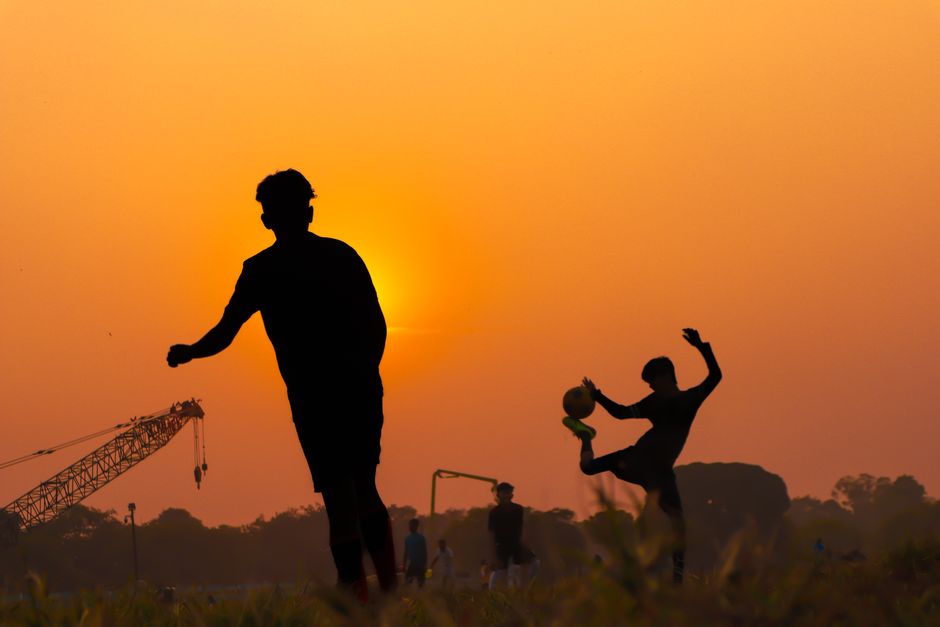
Delhi's football renaissance is undeniable. From the success of Indian Super League franchises drawing packed crowds to the proliferation of academy programmes across middle-class neighbourhoods, the sport has captured the imagination of the city's youth like never before. Yet beneath this enthusiasm lies a troubling reality: the infrastructure supporting football in India's capital remains woefully inadequate.
The Ambedkar Stadium in New Delhi, long considered the city's premier football venue, can accommodate just 15,000 spectators—a fraction of what modern football demands. The pitch itself, though maintained by the Delhi Sports Authority, shows visible wear during the monsoon season, forcing fixture cancellations and logistical nightmares. Across town, the Arun Jaitley Stadium (formerly Delhi Rangers Ground) has invested in better drainage systems, yet capacity remains a constraint for competitive league matches.
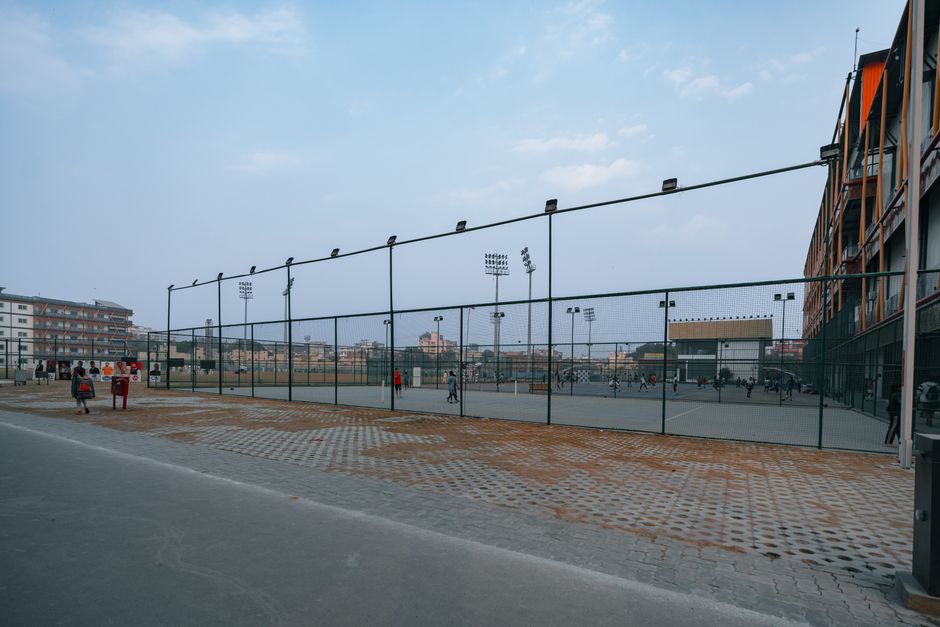
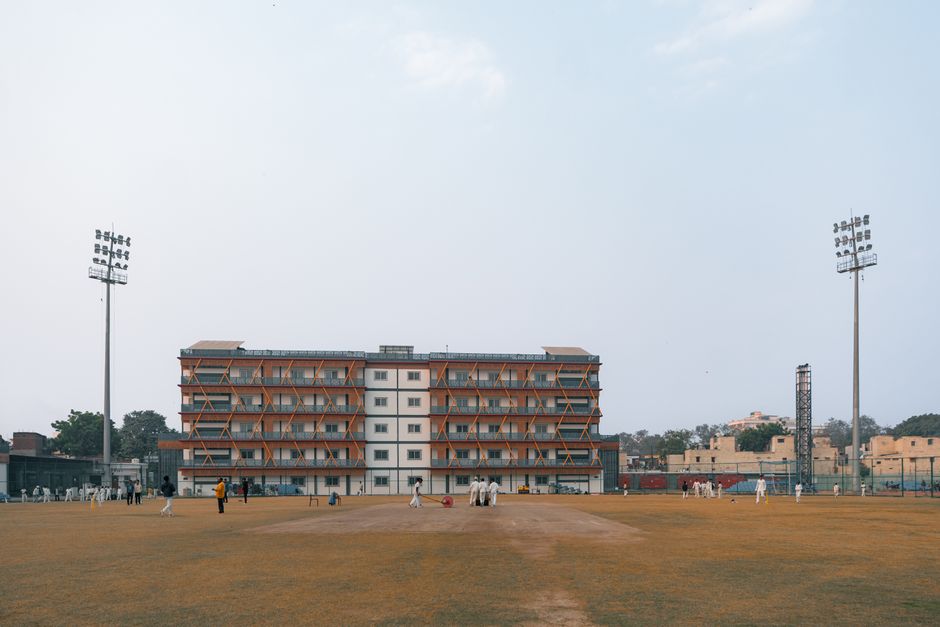
The real crisis, however, emerges at the grassroots level. Youth academies operating from Dwarka, Rohini, and Greater Noida report a chronic shortage of regulation-sized pitches. Most clubs share municipal grounds with cricket nets and athletics tracks, creating scheduling conflicts that frustrate coaches and stunt player development. Training facilities typically consist of uneven, poorly lit patches of compacted earth rather than FIFA-standard artificial turf.
The economics tell a sobering story. A decent artificial pitch in Delhi costs between ₹50-80 lakh to install, with annual maintenance running ₹3-5 lakh. Few neighbourhood clubs can afford such investment. Meanwhile, private academies in affluent pockets like South Delhi charge ₹15,000-25,000 monthly—pricing out talented players from working-class backgrounds.
Some progress has emerged. The Delhi Football Association, headquartered near Chhatarpur, has pushed for improved training grounds. Several corporate-backed initiatives have built small-sided pitches at their facilities. Yet these remain islands in a sea of neglect.
The city hosted memorable moments during the Indian Super League's expansion phase, with passionate crowds filling what stadiums exist. But infrastructure investment hasn't matched demand. Compared to cricket—which enjoys lavish facilities and municipal prioritisation—football receives a fraction of resources despite growing participation numbers.
If Delhi is serious about nurturing genuine football talent and hosting major tournaments, a comprehensive upgrade is unavoidable. The capital needs additional stadiums with 25,000-plus capacity, properly maintained training grounds in every district, and affordable access for grassroots players. Without it, the city risks squandering its football moment, watching talent migrate to better-equipped cities while infrastructure remains stuck in yesterday.
This article was compiled by AI from the sources linked above and screened before publishing. See our editorial standards.
How does this story make you feel?
Spread the word
About this article
Published by The Daily Delhi
Daily brief
Free, in your inbox before 7am. Weekdays.
More in Sport